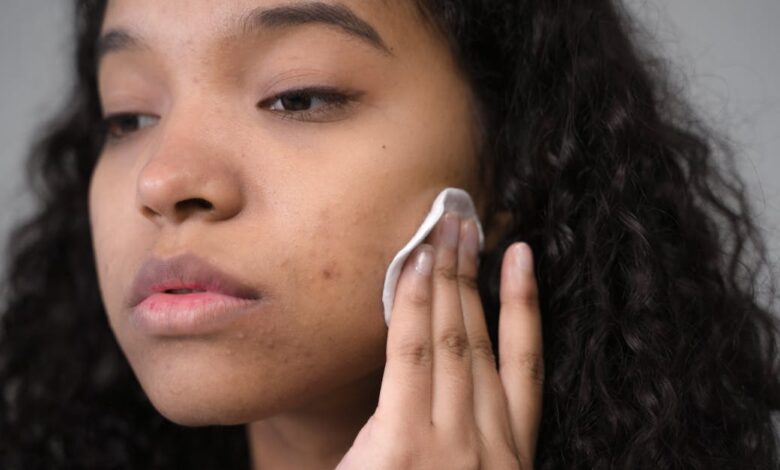
Your Ultimate Guide to Caring for Oily Skin Naturally
As a certified organic skincare formulator, my goal is to empower you with knowledge about effective ingredients rather than inundate you with products. If you’ve experimented with numerous scrubs, toners, spot treatments, and oils only to find your skin still frustrated, you’re certainly not alone. Many people share similar struggles with oily skin, leading to confusion and frustration.
It’s crucial to understand that oily skin is not a flaw; it is simply a skin type that needs nurturing and proper care. Unfortunately, many products on the market for oily skin are often too aggressive, laden with fillers and fragrances, or they exacerbate the condition over time. The skincare industry is aware of this prevalence, especially among younger individuals, and tends to promote “solutions” that keep you perpetually purchasing and leave your skin out of balance.
After years in the field of organic skincare since 2018, I have come to realize that many brands do not have your best interests at heart. This guide aims to offer you a realistic approach to caring for your oily skin using natural ingredients and straightforward steps—without the hype that often accompanies the skincare industry.
This post contains affiliate links. If you make a purchase through my links, I may receive a small commission at no additional cost to you. I only recommend products I truly believe in.
How to Break the Cycle of Oily Skin: A Simple Morning Routine
Oily skin can feel well after a morning wash but often becomes shiny again by midday. This reaction is not your fault; it’s a sign that your cleansing routine may need a bit of tweaking. Here’s how to streamline your morning for better skin balance.
1. Gentle Cleansing
Begin with a gentle cleanser that won’t foam or sting. If your skin tightens after cleansing, your product might be too harsh. Opt for a natural gel or cream-based cleanser that effectively removes overnight oils and sweat without stripping your skin. Great ingredients to look for include:
- Aloe Vera: Excellent for oily skin and known for its healing properties.
- Chamomile Extract: Soothes inflammation and provides nourishment.
- Calendula: Known for its calming effect.
- Green Tea: A powerful antioxidant that can help reduce redness.
2. Toning
Although toning is not always necessary, a calming toner can prep your skin and help maintain oil levels throughout the day. Seek an alcohol-free toner filled with soothing botanicals. Look for these natural options:
- Rose Water: Hydrating and refreshing.
- Alcohol-Free Witch Hazel: Known for its gentle astringent properties.
- Green Tea Infusion: Packed with antioxidants.
- Cucumber Water: Refreshes and hydrates.
- Lavender Hydrosol: Calming and soothing.
3. Moisturizing
Do not skip this step. Neglecting moisturizer can signal your skin to produce even more oil, which is counterproductive. Choose a lightweight, non-greasy, plant-based moisturizer that hydrates effectively. Ideal ingredients include:
- Jojoba Oil: Mimics the natural oils of your skin.
- Aloe Vera Gel: Always a solid choice for oily skin.
- Squalane: Plant-derived and great for skin health.
- Hemp Seed Oil: Offers hydration and nourishment.
- Calendula-Infused Oil: Known for its soothing properties.
4. Sun Protection Factor (SPF)
Protecting your skin from sun damage is vital, as UV rays can exacerbate oily skin and hinder healing processes. Opt for mineral-based sunscreens made from clean ingredients. Look for:
- Zinc Oxide or Titanium Dioxide: Reliable sun blockers.
- Natural Oils like Jojoba or Sunflower: In small amounts for added hydration.
- Aloe Vera-Based SPF Formulas: Gentle on the skin.
- Tinted Mineral SPFs: For added comfort and matte finish.
What to Expect from Your Morning Routine
- Skin that feels soft and nourished, not stripped.
- Less shine by midday.
- Fewer breakouts as your skin begins to stabilize.
Nighttime Care for Oily Skin
Your skin performs most of its repair while you sleep. Therefore, your nighttime routine is crucial for supporting skin health without causing blockages or dryness.
1. Cleansing
Start by gently removing the day’s residue: oil, sunscreen, pollution, and makeup. A mild cleanser is essential for maintaining your skin barrier. Look for:
- Aloe Vera: Hydrating and calming.
- Oat Extract: Known for its soothing properties.
- Clay-Based Cleansers: Mild options such as kaolin.
- Cold-Pressed Oils: Great for oil cleansing (like jojoba or hemp).
2. Exfoliation (1-2 Times a Week)
Gentle, infrequent exfoliation can be beneficial if you have clogged pores or rough texture. Be cautious about overdoing this step, as excessive exfoliation worsens oily skin. Consider using:
- White Clay or French Green Clay Masks: Gentle and effective.
- Fruit Enzymes: Like papaya or pineapple.
- Powdered Oats: A natural exfoliant.
- Willow Bark Extract: A natural source of salicylic acid.
3. Moisturizing or Repairing
Overnight is the perfect time to nourish your skin. Choose a moisturizing oil or calming serum to help balance oil and reduce breakouts. Best ingredients include:
- Jojoba Oil or Hemp Seed Oil: Offers hydration without clogging.
- Squalane: Known for its balancing qualities.
- Evening Primrose Oil: Helps soothe inflammation.
- Rosehip Oil: Aids in minimizing scars and improving texture.
- Aloe-Based Gel Serums: Ensure they are free from harsh preservatives.
What to Expect from Your Night Routine
- Clearer, calmer skin in the morning.
- Breakouts that diminish quickly.
- Reduced oily buildup upon waking.
Essential Tips for Oily, Acne-Prone Skin
Below are some actionable tips to help you navigate the challenges of oily and acne-prone skin.
Avoid Overwashing
Washing your face too often or too harshly confuses your skin, prompting it to produce more oil. Twice a day is sufficient, using a gentle cleanser that avoids foaming or gritty formulas.
Daily Moisturization
Even oily skin craves hydration. Neglecting this can backfire. Choose a non-comedogenic moisturizer that includes nourishing natural ingredients.
Use Oil-Based Products Wisely
Not all oils are bad. Some can soothe skin and reduce breakouts. Explore these oils that are suitable for oily, acne-prone skin:
- Jojoba Oil
- Hemp Seed Oil
- Squalane
- Tamanu Oil: Use as a spot treatment only.
Limit Your Product Load
More products do not equal better skincare. Stick to a few well-chosen options. Allow your skin to breathe and reset.
Avoid Common Triggers
Steer clear of these common irritants:
- Alcohol-Based Toners
- Heavy Makeup Not Designed for Oily Skin
- Products with Synthetic Fragrance
- Scrubs That Scrape or Irritate
- Overdoing Treatments like Masks or Acids
Support Your Skin from Within
Your lifestyle plays a significant role in your skin quality. Issues such as inadequate sleep, stress, junk food, and lack of hydration all contribute to skin problems. Prioritize basic self-care.
DIY Skincare Remedies for Oily Skin
A cupboard filled with products isn’t necessary. Sometimes, the best skincare comes from your kitchen. These homemade remedies are easy to make, effective, and gentle on your skin.
1. Soothing Clay Mask
Ideal for drawing out excess oil and calming breakouts. Ingredients to use:
- 1 tsp white clay or French green clay
- 1 tsp rose water or cooled green tea
- Optional: 1 drop of tea tree oil (if tolerated)
Mix into a paste and apply for 5 to 10 minutes, once a week.
2. Balancing Face Mist
This refreshing mist won’t overload your skin. Use:
- Cooled green tea
- A splash of alcohol-free witch hazel
- A few drops of aloe vera juice
Store in a clean spray bottle in the fridge. Mist your face throughout the day.
3. Jojoba and Tea Tree Spot Blend
A fantastic option for calming breakouts without drying. Blend:
- 1 tablespoon of jojoba oil
- 1 drop of tea tree oil
Apply a small amount directly to blemishes, patch testing first.
4. Oat Cleansing Powder
Softens the skin while cleansing gently. Ingredients to mix:
- 1 tablespoon finely ground oats
- A pinch of clay or dried chamomile
- A few drops of water to create a paste
Massage onto damp skin and rinse off, 2 to 3 times a week.
These DIY recipes offer a simple start. Natural ingredients can perform wonders without disrupting your skin barrier.
Why Oily Skin May Persist Despite Your Efforts
If you’ve followed routines and still find your skin oily and prone to breakouts, you need to explore deeper issues.
Consider Your Skin Barrier
Over-stripping your skin can weaken its ability to retain moisture, leading to constant oiliness and redness. To revitalize your barrier:
- Take a break from active ingredients like acids or retinoids.
- Use gentle oils, focusing on hydration.
- Prioritize moisturizing and protecting over harsh treatments.
Understand Your Pores
Large pores are not an issue to fix; they simply become more visible with oily skin. Scrubs or squeezing won’t remedy this. Instead, focus on calming oily skin to minimize their appearance.
Reassess Your Routine
If you’re stuck in a cycle of harsh products, your skin remains in a state of panic. Start with an easier routine, focusing on hydration, and allow two weeks for your skin to adjust.
Hormonal and Stress Factors
Sometimes, issues go deeper than surface-level treatments. Hormonal fluctuations and stress can significantly affect your skin. To help mitigate these:
- Reduce sugar and processed food intake.
- Prioritize good sleep habits.
- Introduce calming practices such as meditation or herbal teas.
In some cases, oily skin persists because it hasn’t felt safe. Providing gentle, consistent care—especially with natural products—can help build that trust.
Tailored Skincare Advice for Men and Teens with Oily Skin
It’s essential to recognize that not everyone’s skincare needs are identical, particularly for men and teens with oily skin. Here’s a simple approach for each group.
For Men
Men’s oily skin often requires more care than it receives due to thicker skin and hormones. Here are some tips:
- Use a gentle, non-foaming cleanser.
- Always moisturize after shaving, regardless of perceived oil.
- For beard-related breakouts, consider using jojoba oil or aloe with tea tree oil.
- Avoid strong aftershaves or cologne-based products as they can irritate.
For Teens
Hormonal fluctuations can exacerbate oily skin conditions, often made worse by an urge to overdo it with new products. Instead, try this simpler approach:
- Wash your face twice daily, no more.
- Implement a weekly clay mask.
- Avoid touching your face with hands or hair.
- Choose one dependable moisturizer and stick with it for a while.
- Focus on gradual progress rather than chasing perfection.
The Right Order for Your Skincare Routine
Fewer products can be advantageous for oily skin. Here’s a structured routine, both morning and night, that respects your skin.
Morning Routine
- Cleanse: Use a gentle, non-foaming cleanser to remove oil and sweat without stripping.
- Tone (optional): An alcohol-free toner with ingredients like rose water can be soothing.
- Moisturize: Opt for a lightweight formula featuring aloe or squalane for hydration.
- SPF: Apply a mineral sunscreen containing zinc oxide for protection without clogging.
Night Routine
- Cleanse: Stick with the same gentle cleanser or opt for oil cleansing if your skin is particularly sensitive.
- Exfoliate (1-2 Times a Week): Use gentle clay masks or fruit enzymes as needed.
- Moisturize or Treat: Utilize a calming facial oil or gel-based serum with ingredients like rosehip or evening primrose.
Consistency is key. The fewer products you use, the better your skin can heal and regulate itself.
Selecting Natural Products for Oily Skin
Many products marketed for oily skin may worsen the condition due to harsh ingredients. Follow these guidelines to identify products that truly benefit your skin:
Opt for These Ingredients
Look for lightweight, non-comedogenic options that help soothe oily skin:
- Jojoba Oil: Balances natural oils.
- Squalane: Plant-derived and quickly absorbed.
- Aloe Vera: Workable and calming.
- Hemp Seed Oil: High in omega-3, great for breakouts.
- Green Tea Extract: Anti-inflammatory and helps redness.
Choose Cleansers and Toners with:
- Chamomile or Calendula
- Oat or Clay Base
- Rose Water or Cucumber Water
- Alcohol-Free Witch Hazel
Ingredients to Avoid
Certain components can clog pores or exacerbate oiliness:
- Synthetic Fragrance
- Denatured Alcohol
- Petroleum-Based Ingredients
- Sulfates or Foaming Agents
If a product label is overwhelming or filled with unfamiliar terms, it’s likely not suitable for your skin. Start with just one swap at a time, allowing your skin to adjust and learn its preferences.
What to Expect When Transitioning to a Natural Routine
This isn’t about fixing your skin; it’s about understanding it. Transitioning to a natural routine, especially after years of harsh products, can create various sensations as your skin adjusts.
Week One
- Your skin might feel calmer but could oscillate between oiliness and spots—this is okay.
- Maintain your routine without introducing new products.
Two to Three Weeks In
- Experience reduced oil levels by midday.
- Notice fewer breakouts.
- Your skin should start feeling softer and more balanced.
One to Two Months
- Pores may appear smaller.
- Reduced redness and irritation.
- Overall, your skin should look healthier, even sans makeup.
This isn’t a magic solution but a necessary reset, teaching your skin to regain trust and stability when treated gently.
By carefully navigating the complexities of oily skin and adopting a nurturing routine, you can create a positive shift for your skin health. Let go of the frustration and embrace an approach that prioritizes understanding and balance. Your skin is not broken; it just needs the right care.
Thank you for joining me on this journey. Embrace simplicity, slow down, and consider a skincare approach that actually aligns with your needs. Take what resonates, and revisit this guide whenever you need.