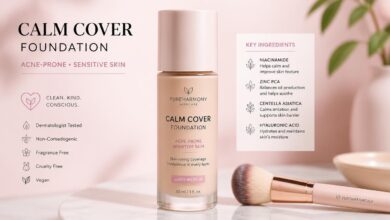
If you’ve ever stared at your makeup bag wondering whether that foundation is secretly sabotaging your skin, you’re not alone. Here’s the real scoop on makeup for acne that won’t leave you paying for it later.
Let’s be honest, dealing with breakouts is annoying enough without having to second-guess every product in your makeup bag. If you’ve got acne-prone skin, you’ve probably heard the rumor that wearing makeup is basically asking for more pimples. Good news: that’s not exactly true. The right makeup for acne can actually work with your skin instead of against it, and once you know what to look for, the whole process gets a lot less stressful.
In this guide, we’ll walk through what actually causes breakouts from makeup, which ingredients to run from, and which products dermatologists tend to give their stamp of approval to. By the end, you’ll have a much clearer picture (pun intended) of how to build a routine that covers your skin without clogging it up.
Can You Even Wear Makeup With Acne-Prone Skin?
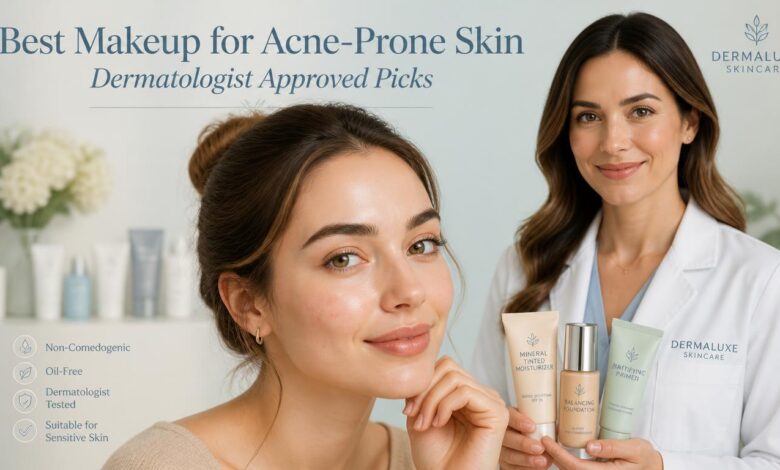
Short answer: yes, you absolutely can. According to the American Academy of Dermatology, people with acne can still wear makeup, they just need to be pickier about what goes on their face and pay attention to which products seem to trigger flare-ups.<cite index=”4-1″>Board-certified dermatologists recommend choosing products labeled oil-free, won’t clog pores, or non-comedogenic, and immediately dropping anything that seems to be causing breakouts</cite>. So instead of tossing your whole makeup collection, the smarter move is to actually read the labels.
That said, not every “oil-free” sticker on a bottle means much on its own. Brands slap trendy words on packaging all the time, so it helps to understand what’s actually happening underneath. Certain ingredients, like heavy oils, waxes, and some silicones, sit on top of the skin and trap sebum and bacteria in your pores. Others, like mineral-based formulas, tend to sit lighter and let your skin breathe. Once you get a feel for which category a product falls into, shopping gets a whole lot faster.
What Makes Makeup Acne-Friendly Anyway?
There’s a bit of science behind why some makeup causes trouble and other makeup doesn’t. It mostly comes down to whether a formula is comedogenic, meaning likely to clog pores, or non-comedogenic, meaning it’s formulated to stay out of your pores’ business.
Here’s what tends to separate the good from the bad:
- Non-comedogenic labeling. This isn’t a legally regulated term, but reputable brands test their formulas and it’s still a decent starting signal.
- Oil-free base. Oil-heavy foundations and primers are notorious for clogging pores, especially in humid weather or during a sweaty day.
- Lightweight, breathable textures. Mineral powders and water-based liquids tend to sit better on acne-prone skin than thick, creamy formulas.
- Added skin-loving ingredients. Niacinamide, salicylic acid, and zinc oxide show up in a lot of newer formulas because they can calm redness while you wear them.
On the flip side, ingredients worth avoiding include coconut oil, which despite its wholesome reputation is <cite index=”3-1″>actually one of the most comedogenic oils out there</cite>, along with heavy synthetic fragrances that can irritate already-inflamed skin. If a label doesn’t list ingredients clearly, that’s often a red flag in itself.
The Best Makeup for Acne-Prone Skin Dermatologist Experts Recommend
Now for the fun part, actually picking products. Dermatologists tend to gravitate toward a handful of brands over and over again, and it’s not by accident. These formulas are built specifically with sensitive, breakout-prone skin in mind rather than as an afterthought.
Mineral makeup brands are usually a safe first stop. Their core ingredients, things like zinc oxide, titanium dioxide, and mica, are inert, which basically means they don’t feed bacteria or block your pores the way some synthetic fillers do. If you’re new to switching up your routine, starting with a mineral foundation is a low-risk way to see how your skin responds.
For everyday coverage that won’t feel like spackle, look at oil-free liquid foundations with a matte or natural finish. Buildable coverage matters here too, since piling on layers of any product, even a good one, can still overwhelm your pores. A thin layer that you build up only where needed usually looks better anyway.
- Explore non-comedogenic foundations on Amazon
- Check out mineral powder makeup options on Amazon
- Browse oil-free concealers on Amazon
Concealer deserves its own shoutout too, since most of us reach for it to cover active breakouts. Look for formulas that mention salicylic acid or niacinamide right on the label, since these can help calm a spot while you’re covering it rather than just masking it. It’s a small detail, but it makes a real difference over time.
Setting Powder, Primer, and the Steps in Between
Foundation gets all the attention, but honestly, primer and setting powder do a lot of the heavy lifting too. A good oil-free primer creates a smooth base and can help keep your foundation from sliding into your pores throughout the day. Skipping this step isn’t the end of the world, but if you’re prone to shine by midday, it’s worth adding.
Setting powder, especially a translucent mineral one, helps control oil without piling on more product. A lot of people with acne-prone skin actually prefer powder-based setting products over sprays, since sprays can sometimes reactivate oils sitting on the skin’s surface. It’s worth experimenting to see what your own skin prefers, since everyone’s routine ends up looking a little different.
- Apply primer in a thin, even layer, focusing on your T-zone if that’s where you get oiliest.
- Use a clean brush or sponge for foundation rather than your fingers, which can transfer bacteria.
- Set with a light dusting of powder rather than a heavy cake-on approach.
- Reapply setting powder midday instead of adding more foundation if you’re getting shiny.
Application Tips That Actually Help Your Skin
How you apply makeup matters almost as much as what you’re applying. Clean tools are a big one here, and it’s easy to forget. Sponges and brushes collect oil, bacteria, and old product over time, and using a dirty one is basically reintroducing everything you’re trying to avoid.
Washing your face properly before and after wearing makeup matters just as much. Dermatologists generally recommend washing your face when you wake up and again before bed, plus after any activity that makes you sweat. Sleeping in makeup is one of the fastest ways to undo all the careful product-picking you just did, so even on exhausted nights, a quick cleanse goes a long way.
Also, less is genuinely more here. Piling on layer after layer of concealer to hide a stubborn spot often makes it more noticeable, not less. A thin layer, patted rather than rubbed, usually blends better and looks more natural anyway.
Common Mistakes That Make Acne Worse
Even with the best products, a few habits can quietly undo your progress. Here’s what to watch out for:
- Sharing makeup or testers at stores without sanitizing first.
- Skipping sunscreen underneath makeup, which can leave post-acne marks darker for longer.
- Using expired products, since old makeup breeds bacteria faster than you’d think.
- Touching your face throughout the day to “check” your makeup.
- Not removing makeup fully before bed, even when you’re tired.
None of these mistakes are dramatic on their own, but stacked together, they can quietly sabotage even the most carefully chosen products. Building a couple of small habit changes around these points tends to make a bigger difference than switching brands over and over again.
Building a Routine That Actually Sticks
One thing that trips people up is trying to overhaul their entire routine overnight. Swapping out five products at once makes it nearly impossible to tell which one is helping and which one is quietly causing a new breakout. A smarter approach is to switch one product at a time, give it a week or two, and pay attention to how your skin responds before moving on to the next swap.
It also helps to keep a rough mental note, or even a quick phone note, of what you’re using and when your skin flares up. Patterns tend to show up faster than you’d expect once you’re actually tracking them. Maybe it’s not the foundation at all, maybe it’s the setting spray you added last month. Little details like that are easy to miss without paying close attention over time.
Frequently Asked Questions
Does makeup actually cause acne, or is that a myth? Makeup itself doesn’t directly cause acne the way, say, hormones or genetics do, but the wrong formula can definitely clog pores and trigger breakouts. It’s less about wearing makeup at all and more about choosing formulas that won’t sit heavy on your skin.
How do I know if a product is truly non-comedogenic? Look for the label first, but also check the ingredient list for known culprits like coconut oil or heavy synthetic waxes. Patch testing a new product on your jaw for a few days before using it all over your face isn’t a bad idea either.
Is mineral makeup really better for acne-prone skin? For a lot of people, yes! Mineral formulas tend to be lighter and less likely to trap bacteria against the skin. That said, everyone’s skin reacts differently, so it’s still worth testing before committing to a full switch.
Can I wear makeup over active breakouts? You can, just go gentle. Pat concealer on rather than rubbing, and avoid picking at the area beforehand, since broken skin is more prone to irritation from any product.
Should I stop wearing makeup completely if I have severe acne? Not necessarily, but it’s worth talking to a dermatologist if your acne is severe or not improving. They can help you figure out whether certain products, or something else entirely, might be part of the problem.
Wrapping It Up
At the end of the day, acne-prone skin doesn’t have to mean giving up makeup altogether. It just means being a bit more thoughtful about what you’re putting on your face and why. Once you get the hang of reading labels and spotting the ingredients worth avoiding, building a routine that actually supports your skin becomes second nature.
Give yourself some grace while you experiment, too. Skin is unpredictable, and what works beautifully for one person might not work at all for someone else. The goal isn’t perfection, it’s finding a routine that lets you feel confident without paying for it with a new breakout the next morning.