Why I Choose Natural Alternatives to Retinol for Skin Health
As a certified organic skincare formulator and health coach, I’ve taken a different approach to skincare that I believe is worth considering. You might be thinking, “But everyone uses retinol! My dermatologist suggested it!” I understand that sentiment, but let me share why I feel differently. Yes, retinol is effective, but I do not think it’s the ideal choice for your skin or your overall well-being.
After years of formulating organic skincare products and guiding clients toward healthier skin using natural alternatives, I’ve concluded that nature offers incredibly effective options that align better with our skin’s needs. Personally, I prefer this natural path. Let’s delve deeper into the topic.
The Truth About Retinol Side Effects
When it comes to retinol, it’s essential to discuss what it really does for your skin. The term “retinoid reaction” often indicates that your skin is, in fact, irritated. Common symptoms include:
- Persistent dryness that leads to a tight feeling
- Peeling skin that may last for weeks
- Redness and inflammation
- Stinging sensations when applying other products
- Increased sensitivity to sunlight, elevating the risk of UV damage
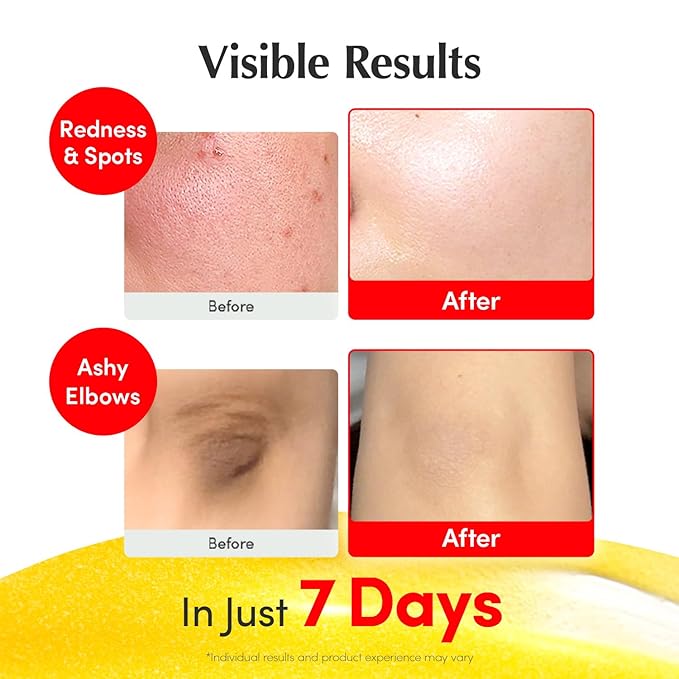
As a health coach, I find it concerning that we’ve come to accept skin irritation as a necessary evil for youthful-looking skin (which, by the way, is not synonymous with healthy skin).
Photosensitivity
Photosensitivity is a significant factor to consider. Retinol can make your skin more susceptible to UV damage, complicating the relationship with a product intended to promote youthfulness. You’re using something meant to enhance your skin’s appearance, yet it makes you more vulnerable to the very factors that accelerate skin aging — sun damage. This complexity raises questions about retinol’s real benefits.
Even with diligent sunscreen application, that heightened photosensitivity creates a precarious balancing act. Forget to reapply your SPF or miss a spot? Your skin feels the consequences repeatedly.
Pregnancy Concerns: Why Take the Risk?
The pregnancy concerns surrounding retinoids trouble me deeply. Many healthcare professionals caution against using topical retinol during pregnancy and while breastfeeding. Why opt for an ingredient linked to such risks when there are safe, effective natural alternatives that allow you to maintain your skincare routine throughout this crucial time? Consider this seriously—your skin doesn’t have to suffer for beauty.
The Chemical versus Natural Philosophy
Now, let’s pivot to chemistry. Retinol is a synthetic derivative that forces rapid cell turnover, essentially pushing your skin to function faster than its natural rhythm. But imagine achieving similar, or even superior, results by merely supporting your skin’s natural functions.
Meet Bakuchiol: Nature’s Brilliant Answer
That’s where bakuchiol enters the conversation. Extracted from the babchi plant (Psoralea corylifolia), it has entirely transformed my viewpoint on natural skincare, especially for mature skin. What sets bakuchiol apart?
-
Comparable Results: Clinical studies reveal that a 0.5% concentration of bakuchiol used twice daily can yield improvements in fine lines and hyperpigmentation similar to what you’d see with 0.5% retinol used every day.
-
Gently Effective: With bakuchiol, you don’t suffer through an adjustment period. There’s no peeling, redness, or stinging. Your skin feels comfortable throughout the transition.
-
Freedom from Photosensitivity: Use bakuchiol morning or night without the fear of increased sun damage.
-
Pregnancy Friendly: While complete safety during pregnancy isn’t fully established, it is generally thought to pose fewer risks than retinoids. However, it’s always wise to consult your doctor before starting any new ingredient during pregnancy.
This post contains affiliate links. If you make a purchase through my links, I may receive a small commission at no additional cost to you. I only recommend products I truly believe in.
How Bakuchiol Works: The Science Simplified
Even though bakuchiol looks unlike retinol on a chemical level, it is what we call a “functional analog.” It achieves comparable benefits through different physiological pathways. Instead of coercing rapid cell turnover, bakuchiol:
- Gently stimulates collagen production
- Aids your skin’s natural repair mechanisms
- Provides antioxidant protection, which retinol doesn’t
- Helps regulate melanin, assisting in fading dark spots
- Delivers soothing anti-inflammatory benefits rather than irritation
The gentleness of bakuchiol is startling when compared to the consequences of retinol.
The Clean Beauty Connection
I have a strong commitment to natural health and wellness, and bakuchiol aligns seamlessly with my clean beauty principles. It’s plant-derived, works harmoniously with your skin, and you won’t have to endure discomfort to see results.
A crucial tip: Always seek purified bakuchiol formulations. Some lesser-quality extracts may contain phototoxic impurities, so quality is vital, just like with all-natural ingredients.
My Professional Recommendation
I recommend bakuchiol wholeheartedly for several compelling reasons:
- Gentleness Without Compromise: Why irritate your skin if there’s a gentle alternative?
- Antioxidant Benefits: Bakuchiol offers anti-aging perks along with protective antioxidants.
- Flexibility: Use it morning, night, or both with no restrictions.
- Compatibility: Bakuchiol blends effortlessly with other natural ingredients like hyaluronic acid and niacinamide.
Other Beautiful Natural Alternatives
As an advocate for plant-based skincare solutions, I’m excited to share other natural alternatives to retinol that can rejuvenate your complexion:
1. Rosehip Oil
This wonderful oil is packed with antioxidants and linoleic acid, which helps to improve skin tone and hydrates deep within by preventing moisture loss. It’s especially effective at diminishing hyperpigmentation and scarring.
2. Carrot Seed Oil
A treasure trove of vitamin A, carrot seed oil boasts potent antioxidant carotenoids that battle free radicals and environmental stress. It’s akin to delivering a nutritious smoothie to your skin.
3. Sea Buckthorn Oil
Rich in vitamins A, C, and E, sea buckthorn oil has 15 times the vitamin C as oranges. It provides deep hydration while also boasting impressive photoprotection capabilities.
If You’re Making the Switch, Here’s What to Expect
If you’re contemplating a transition from retinol to bakuchiol, here’s my standard advice for clients:
- Gradual Introduction: Start with 2-3 nights per week to allow your skin time to adapt, even though irritation is rare.
- Exercise Patience: Natural ingredients typically yield gradual yet lasting results.
- Focus on Consistency: The key is regularity over intensity.
- Combine with Supportive Ingredients: Pairing bakuchiol with other complementary natural ingredients can enhance benefits.
The Bottom Line
I am neither anti-science nor against advancements in skincare. My stance is pro-safety and effectiveness, focusing on solutions that promote long-term skin health as naturally as possible. Bakuchiol embodies everything I seek for a vibrant, healthy complexion — proven effectiveness, remarkable safety, and the comfort of leveraging nature rather than resisting it.
Ready to Make the Switch?
Remember, the goal is not to look younger, as the passage of time is inevitable. Instead, aim for healthy, resilient skin that radiates vitality from within.
Love,
Patri xx