
Understanding Skin Flares: A Deeper Look into Your Skincare Struggles
In the realm of skincare, there’s a recurring theme that deserves more attention—fluctuating skin conditions that seem to arise without clear triggers. It can be frustrating and perplexing when redness, irritation, breakouts, or heightened sensitivity appear out of nowhere. Perhaps you’ve attributed these flare-ups to hormonal changes, stress, or even a new skincare product. However, it’s time to explore a more profound perspective: the issue may lie much deeper than those surface-level factors.
The Cycle of Frustration
You’ve diligently researched products, invested in high-quality items, and maintained a steady skincare regimen, yet your skin continues to flare up. You’re not alone in feeling distressed about this situation. I’m here to tell you that, surprisingly, the products you’re using might not be the primary culprit.
The skincare industry perpetuates a narrative that emphasizes external solutions—as if applying the right product is all it takes to achieve balance. While topical treatments can provide immediate relief, they often miss the root cause. This cyclical behavior can keep you trapped in a loop, where the focus remains on temporary fixes rather than addressing the real issues at hand.
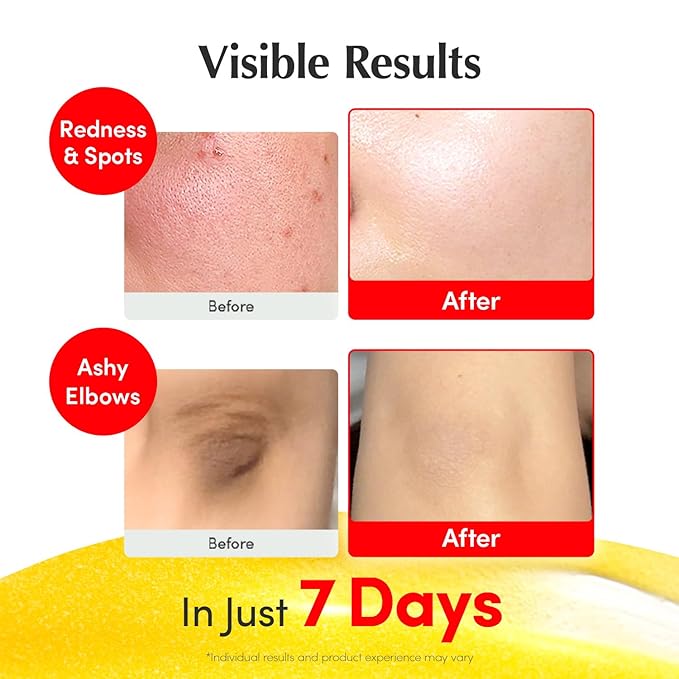
Does this scenario resonate with you?
- You’ve switched products frequently, yet the flare-ups persist.
- At one moment, your skin appears pristine, only to later become an enigma.
- You experience breakouts during stressful times, even while following a “good” routine.
- Your skin feels unpredictable and sensitive, lacking a state of calm.
- You’ve made significant investments in skincare, yet still feel unfulfilled in your search for answers.
If you recognize yourself in two or more of these situations, you’re in the right place. Let’s dive into what’s truly happening beneath the surface.
What’s Really Happening?
When we talk about skin flare-ups—be it redness, breakouts, eczema, or rosacea—we’re discussing an inflammatory response. Your skin’s immune system is reacting to something it perceives as a threat. Conventional skincare advice may stop at this point, offering soothing serums as a quick fix. While those serums are beneficial for immediate relief, they address the symptoms rather than the underlying cause.
The skincare industry has a vested interest in keeping you in this reactive cycle. Calming products and barrier-repair creams are convenient and profitable to sell, yet they may not be addressing the underlying triggers. It’s crucial to look beyond your recent product changes to uncover what may be causing your skin distress.
The Overlooked Connection: Mind and Skin
One crucial aspect often overlooked in mainstream skincare is the connection between your mental health and your skin. Psychodermatology, the study of how mental states influence skin conditions, highlights that chronic stress can have profound effects on your skin.
Studies have shown that prolonged psychological stress disrupts skin barrier function, triggers immune dysregulation, and exacerbates inflammatory conditions like acne, psoriasis, and atopic dermatitis. When you are continually stressed, your body produces cortisol, a hormone that sends your skin barrier into retreat, reducing essential lipids and proteins. This leads to a cascade of skin issues, including dryness, increased sensitivity, breakouts, and accelerated aging.
For instance, a 2018 study indicated that heightened cortisol levels can directly affect the outer layer of your skin, undermining its barrier. When you relieve stress, you can often witness a noticeable recovery in your skin. Simply put, a stressed nervous system can create a reactive and inflamed skin barrier, despite your well-chosen products.
The Relationship Between Cortisol and Your Skin
Understanding how cortisol impacts your skin is essential:
- Reduced Lipids and Proteins: Leading to dryness and a tight feeling.
- Increased Transepidermal Water Loss: Resulting in dehydration that no moisturizer can remedy entirely.
- Mast Cell Activation: Causing redness, hives, and increased sensitivity.
- Excess Oil Production: Leading to breakouts and congestion.
- Accelerated Collagen Breakdown: Making skin appear dull and aging faster.
- Systemic Inflammation: Triggering conditions such as eczema, psoriasis, and rosacea.
I confidently assert that you cannot overcome the effects of a stressed nervous system through topicals alone. Consider the timing of your flare-ups. Do they coincide with a challenging week at work or a difficult personal situation? Likely, the answer is yes.
Emotions and Their Effects on Skin Health
Let’s delve deeper. Our unprocessed emotions don’t simply vanish; they manifest physically, often on our skin. The body retains these emotions, and for many, the skin becomes the outlet. You might find that unresolved feelings of grief, anger, or chronic tension from trying to please others have a significant impact on your skin’s health.
Research has established a bidirectional communication pathway between the gut and skin. Imbalances in the gut microbiome have been linked to skin conditions like eczema and acne. The internal environment directly influences external manifestations, and often, skin flare-ups serve as a signal from our deeper selves about issues that need attention.
Practical Steps Toward Healing
While the science behind skin and mental health is compelling, let’s explore practical actions you can take to facilitate healing.
1. Keep a Flare Diary
Instead of concentrating solely on product usage, start documenting your life when you notice a flare-up. Track the date, what’s visible on your skin, and the significant events in your life that week—stress levels, sleep quality, and any pivotal experiences. After several weeks, patterns may emerge, providing clearer insights into your triggers.
2. Look Back, Not Just at Today
Remember that skin inflammation can take time to surface. The triggers for your flare-ups might have roots that stretch back weeks or even months. A new product used recently may not be the cause; it may instead be the culmination of various life stresses. Reflect on your emotional and physical well-being to better understand the source of your skin issues.
3. Prioritize Sleep as a Skincare Ritual
Consider your sleep patterns as essential as your skincare routine. Quality sleep is your skin’s prime time for repair—during deep sleep, your body significantly boosts collagen production and reduces cortisol levels, allowing your skin barrier to regenerate. If you consistently sleep poorly, you compromise your skin’s ability to heal.
4. Confront Unprocessed Emotions
Ignoring your emotions can lead to physical manifestations. Approach this uncomfortable topic by finding creative outlets—journal your feelings, go for quiet walks, or even engage in conversations you’ve been avoiding. Allowing these emotions space can profoundly affect your skin health.
5. Nourish Your Nervous System
Devote some of the time and resources you allocate to skincare toward taking care of your nervous system. Engage in calming activities such as mindful breathing, proper rest, or leisurely outdoor walks. These actions help reduce cortisol levels, lessen systemic inflammation, and create an environment conducive to healthy skin.
6. Simplify Your Skincare Routine During Flare-Ups
If your skin is reactive, avoid introducing several new products in an attempt to fix it. Scale back your routine to the essentials: a gentle cleanser and a simple moisturizer. If necessary, add a calming product but keep it minimal.
Evaluating Your Approach
To reinforce the critical differences between a reactive approach and a root-cause approach:
| Reactive Approach | Root Cause Approach |
|——————————|——————————-|
| Purchase a new calming product | Investigate the triggers |
| Add multiple steps to your routine | Simplify during flare-ups |
| Blame the latest product used | Reflect on a longer timeline |
| Focus on visible symptoms | Address underlying causes |
| Rely solely on topical solutions | Acknowledge holistic impacts |
| Experience short-term relief | Work towards long-term fixes |
Final Thoughts
It’s vital to recognize that your skin isn’t flawed or betraying you. It is responding to the conditions within and around you. Persistent flare-ups, despite diligent use of suitable products, aren’t random; they carry meaningful messages about your emotional and internal states.
You don’t need to overhaul your life overnight. Start with small, intentional changes that prioritize both your skin health and mental wellness. Acknowledging these factors can lead you toward more lasting improvements, empowering you to break free from the cycle of reactive skincare.
Embrace this new perspective on skin health—you’re worthy of solutions that offer more than just temporary relief.
This post contains affiliate links. If you make a purchase through my links, I may receive a small commission at no additional cost to you. I only recommend products I truly believe in.
Love,
[Your Name]