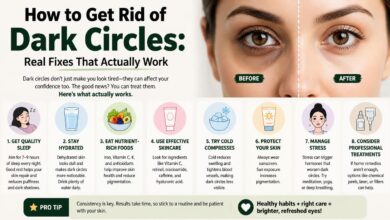
If you’ve ever stared into the mirror at 7 a.m. and wondered why your under-eyes look like you lost a fight, you’re not alone. This guide walks you through how to get rid of dark circles using a coffee mask you can whip up in your kitchen tonight — no fancy equipment, no dermatologist appointment, just grounds, a spoon, and ten free minutes.
Let’s be honest, dark circles have a way of showing up right when you need to look your best. Big meeting tomorrow? There they are. Family photos this weekend? Yep, still there. And while concealer does its job for a few hours, it’s a band-aid, not a fix. So today we’re digging into a remedy that’s sitting in your pantry right now: coffee. Specifically, we’re talking about how to get rid of dark circles with a homemade coffee mask, why it actually holds up under scrutiny, and how to use it without making a mess of your bathroom counter.
Why Coffee, of All Things?
Coffee isn’t just for keeping you awake through Monday meetings. The caffeine in it does something pretty neat once it hits your skin: it tightens up blood vessels. Under-eye skin is thin, thinner than almost anywhere else on your body, and that means the tiny blood vessels underneath tend to peek through, giving that bluish or purplish tint we call dark circles. When caffeine is applied topically, it temporarily narrows those blood vessels, which directly cuts down on how visible that discoloration is since caffeine’s vasoconstriction reduces the visibility of blue-grey discoloration caused by dilated vessels showing through thin periorbital skin.
It doesn’t stop there, either. Caffeine also limits capillary permeability, meaning less fluid leaks into the tissue beneath the eye, which is the direct mechanism behind its puffiness-reducing effect. In plain English: less fluid pooling, less puffiness, less shadow. Older lab research backs this up too — caffeine demonstrated significant vasoconstriction in facial skin microcirculation at concentrations between 1% and 5% in controlled studies. Your morning brew, it turns out, is doing double duty as a mild skincare active.
What’s Actually Causing Your Dark Circles?
Before you slather coffee grounds on your face, it helps to know what you’re up against, because not all dark circles are created equal. According to a review published on PubMed, dark circles are caused by multiple factors, including dermal melanin deposition, post-inflammatory hyperpigmentation from allergic or contact dermatitis, periorbital swelling, superficial blood vessels, and shadowing from skin laxity. That’s a mouthful, but here’s the short version.
There are basically three culprits at play, and often more than one shows up at once:
- Vascular circles — bluish or purple tint caused by visible blood vessels close to the surface. This is the type coffee tackles best.
- Pigmented circles — brown discoloration from excess melanin, often worsened by sun exposure or rubbing your eyes.
- Structural circles — shadows caused by hollowing, aging, or fat loss around the eye socket, which no topical remedy will fully erase.
Cleveland Clinic notes that aging, genetics, allergies, lack of sleep, and dehydration can all contribute to dark circles under the eyes, and honestly, most of us are dealing with a cocktail of these rather than just one. That’s why a coffee mask won’t work miracles for everybody, but for the vascular type especially, it’s a legit first move.
The Coffee Mask: Step-by-Step
Alright, enough science, let’s get to the fun part. Here’s how to whip up a coffee mask that actually does something, rather than just smelling nice.
What you’ll need:
- 1 tablespoon of finely ground coffee (used or fresh, but finely ground matters for texture)
- 1 teaspoon of coconut oil or plain yogurt (something to bind it and soothe the skin)
- A few drops of cold water or aloe vera gel
- A small bowl and a spoon
How to make it:
- Mix the coffee grounds with your coconut oil or yogurt until you get a thick, spreadable paste.
- Add a couple drops of cold water or aloe if the mixture feels too dry or gritty.
- Chill the mixture in the fridge for five to ten minutes. Cold really does amplify the vasoconstricting effect, so don’t skip this step.
- Using clean fingertips (not a rough applicator, please), dab a small amount under each eye, avoiding direct contact with your eyeball, obviously.
- Let it sit for 10 to 15 minutes.
- Rinse gently with lukewarm water and pat dry, don’t rub.
Do this two to three times a week, and give it a few weeks before judging results. Skincare is a marathon, not a sprint, no matter what the influencers tell you.
Does It Actually Work, or Is This Just Hype?
Fair question, and you deserve a straight answer. The clinical evidence for topical caffeine is more solid than a lot of trendy skincare claims. A double-blind study found that a 3% caffeine gel applied twice daily for four weeks produced a statistically significant reduction in fat layer thickness in the under-eye area, along with measurable improvement in skin elasticity. That’s not marketing fluff, that’s a controlled trial.
That said, don’t expect overnight miracles, and don’t expect it to fix everything. One review pointed out plainly that while caffeine works well for vascular dark circles, it does not fade melanin-based dark circles, since those are caused by pigmentation rather than blood vessels. So if your circles lean more brown than blue, you’ll want to pair this mask with brightening ingredients like vitamin C or niacinamide for the best results. A coffee mask is a great start, not necessarily the whole story.
Also worth noting: individual results vary quite a bit. A study of 34 volunteers found caffeine gel reduced puffiness in only around a quarter of participants, which is a reminder that skin, like people, doesn’t always play by the rules. Still, a quarter isn’t nothing, and a DIY mask costs you basically nothing to try.
Tips for Getting the Best Results
A few small tweaks can make a real difference in how well this works for you, so don’t just wing it.
- Use fine grounds. Coarse grounds scratch delicate under-eye skin, and that’s the opposite of what you want.
- Keep it cold. Chilled applications amplify the vasoconstriction effect, giving you a more noticeable de-puff.
- Patch test first. Apply a tiny bit to your inner forearm and wait 24 hours before going anywhere near your eyes, especially if you have sensitive skin.
- Be gentle. Under-eye skin bruises and irritates easily, so pat, don’t scrub.
- Pair it with sleep and hydration. No mask on earth outworks chronic sleep deprivation, sorry to say.
- Don’t overdo the frequency. Two to three times weekly is plenty. Daily use can dry out or irritate thin skin.
When a Coffee Mask Isn’t Enough
If you’ve been consistent for a month and you’re just not seeing the change you hoped for, that’s a sign your dark circles might be more structural or pigment-based rather than purely vascular. In that case, a dermatologist can help pinpoint what’s really going on and recommend options like retinoids, vitamin K creams, chemical peels, or even filler for hollowing, depending on the cause.
For an easy at-home upgrade in the meantime, plenty of people layer their coffee mask routine with a dedicated caffeine eye cream for daily maintenance between mask days. If you want to browse a few well-reviewed options, Amazon has a solid selection of caffeine eye creams and reusable cooling eye masks that pair nicely with the coffee scrub for a one-two punch.
Frequently Asked Questions
Can coffee grounds irritate my skin? Yes, if they’re too coarse or you use them daily. Stick to finely ground coffee, mix it with a soothing base like yogurt or coconut oil, and limit use to two or three times a week.
How long until I see results? Some people notice mild de-puffing within 30 minutes thanks to the cooling and caffeine combo. For actual reduction in darkness, though, give it four to six weeks of consistent use.
Is instant coffee okay to use? It’ll work in a pinch, but fresh ground coffee tends to have a finer, more even texture that’s gentler on delicate skin.
Can I use this mask if I have sensitive eyes? Do a patch test first, and consider swapping the coconut oil for plain yogurt or aloe if you’re prone to breakouts or irritation. And always keep it away from your actual eyeball!
Will this get rid of dark circles caused by genetics? Not entirely, no. Genetic and structural dark circles respond less to topical treatments and more to procedures like fillers. A coffee mask helps most with the puffy, bluish, tired-looking kind.
Final Thoughts
So there you have it: a cheap, easy, and honestly kind of satisfying way to tackle tired-looking eyes using stuff you probably already have in your kitchen. Coffee masks aren’t a cure-all, and if your dark circles are more about genetics or structure than blood flow, you’ll want to look at other options too. But for the everyday, “I didn’t sleep enough” kind of dark circles, this little ritual is worth adding to your weekly routine. Give it a real shot for a few weeks before you write it off, and pay attention to what your own skin tells you along the way.
At the end of the day, knowing how to get rid of dark circles comes down to understanding what’s causing yours in the first place, then matching the remedy to the problem. Coffee masks handle the vascular, puffy side of things impressively well for something you can make in five minutes flat. Not bad for a jar of grounds you were about to throw out.