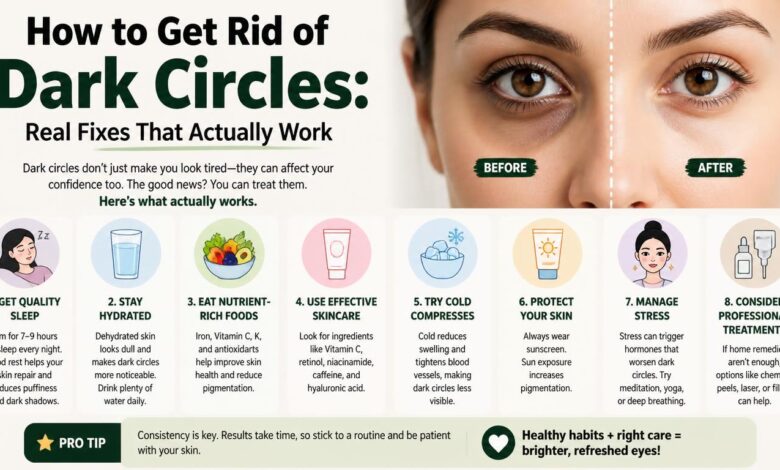
Dark circles have a sneaky way of showing up right when you need to look your best. Here’s the no-fluff guide to what’s actually causing them and how to get rid of dark circles for good — or at least for the next big event on your calendar.
Why Won’t These Shadows Just Go Away?
Let’s be honest: you’ve probably typed “how to get rid of dark circles” into a search bar at 11 p.m., squinting at your own reflection in your phone screen, wondering what on earth happened overnight. You’re not alone, and no, it’s not always about sleep, even though that’s the go-to excuse everyone reaches for.
Here’s the thing — dark circles are stubborn little troublemakers. They can be caused by genetics, thin skin, allergies, sun damage, or just plain old aging, and each cause needs a slightly different approach. Most often, dark circles are caused by periorbital hyperpigmentation from excess melanin production in the under-eye area, and because the skin there is so thin, that pigmentation shows up more dramatically than it would anywhere else on your face. So before you dump your paycheck into every eye cream on the shelf, it helps to actually understand what’s going on under there.
What’s Really Causing Your Dark Circles?
You’d think dark circles would have one simple cause, but nope — dermatologists point to a whole grab bag of culprits. Understanding yours is honestly half the battle, because a genetic dark circle needs a different game plan than one caused by, say, allergies or too many late nights binge-watching shows.
Under-eye circles can appear blue, purple, brown, or black depending on your skin tone, and while they’re common and usually harmless, they can still take a hit on your confidence. Some of the biggest contributors include:
- Genetics — dark circles can run in families thanks to naturally thinner skin or blood vessels that sit closer to the surface
- Aging — as we lose collagen over time, skin thins and starts to sag, which creates a hollow look under the eyes
- Allergies and rubbing — constant itching and rubbing irritates delicate skin and dilates blood vessels
- Dehydration — under-hydrated skin looks duller and makes shadows more obvious
- Sun exposure — triggers extra melanin production, worsening pigmentation
- Poor sleep habits — can lead to fluid buildup and increased blood flow around the eyes, making them look darker
So yeah, it’s rarely just one thing. It’s usually a combo platter of a few of these, which is exactly why a single miracle cream almost never does the trick on its own.
How to Get Rid of Dark Circles at Home
Alright, onto the good stuff. If you’re not ready to book a dermatologist appointment (fair enough!), there’s a decent lineup of home remedies worth trying first. They won’t work miracles overnight, but with consistency, most people notice a real difference.
Cold compresses are the classic go-to, and for good reason — they constrict blood vessels and reduce that puffy, shadowy look almost instantly. Chilled spoons, cucumber slices, or a cold gel eye mask all do the job. Tea bags (especially caffeinated ones) are another old-school trick; the caffeine and antioxidants in green or black tea can help tighten skin and reduce swelling when applied cold.
Beyond compresses, here’s what tends to actually move the needle:
- Hydrate, seriously — drink your water, and don’t skimp on it
- Sleep on your back with your head slightly elevated — reduces fluid pooling under the eyes
- Wear sunscreen daily, even under your eyes (yes, really)
- Use a gentle, fragrance-free eye cream with hydrating ingredients like hyaluronic acid
- Cut back on salt the night before a big event — it reduces fluid retention
- Manage allergies with antihistamines if that’s your trigger
None of this is glamorous, but it’s the boring stuff that adds up. And if you want an easy addition to your routine, an under-eye product built specifically for this area can genuinely make a difference. You can browse well-reviewed under-eye creams on Amazon to find one that fits your skin type and budget.
Ingredients That Are Worth Your Attention
Not all eye creams are created equal, and honestly, half the products on store shelves are just fancy moisturizer in a smaller, pricier tube. If you’re going to invest in a topical treatment, look for ingredients that actually have some science behind them.
Vitamin C is known for its brightening properties, while retinol helps stimulate collagen production, which thickens the skin and makes those visible blood vessels less noticeable over time. Dermatologists sometimes prescribe skin-lightening creams containing azelaic acid, kojic acid, glycolic acid, or hydroquinone to target under-eye hyperpigmentation directly, and lower-strength versions of some of these are even available over the counter.
If you’re shopping around, keep an eye out for products featuring:
- Vitamin C for brightening
- Retinol for collagen support (start slow, it can irritate sensitive under-eye skin)
- Hyaluronic acid for plumping and hydration
- Caffeine for temporary de-puffing
- Niacinamide for evening out tone
A solid vitamin C serum is a genuinely useful place to start, and there are plenty of gentle, well-formulated options available if you check out vitamin C eye serums on Amazon. Just remember, consistency beats intensity here — using a product every night for a month will do more than using five products once.
When Home Remedies Aren’t Cutting It
Sometimes, no amount of cold spoons and green tea bags is going to fix deep-set, genetic, or age-related dark circles. And that’s okay! That’s exactly what dermatology offices are for.
Medical treatment options for dark circles can include topical bleaching agents like hydroquinone, chemical peels that use alpha-hydroxy acids to reduce pigmentation, and laser therapy that resurfaces and tightens the skin. For circles caused by volume loss rather than pigmentation, injectable fillers such as hyaluronic acid gel can add volume back and smooth out that hollow, shadowed look.
These treatments are generally well tolerated, though fillers can occasionally cause mild swelling or bruising, and lasers may lead to some temporary redness or peeling that resolves fairly quickly. If your dark circles are really bothering you and nothing over-the-counter seems to help, it’s worth a consultation. A professional can pinpoint the actual cause and recommend a plan tailored to your skin, rather than you guessing your way through a drugstore aisle.
Frequently Asked Questions About Dark Circles
Can dark circles go away completely?
It depends on the cause. Circles from temporary factors like dehydration or lack of sleep can fade pretty quickly once you fix the habit. Genetic or age-related circles are trickier and usually need consistent treatment or professional intervention to noticeably improve, though they rarely disappear 100%.
Does drinking more water actually help?
Yes, to an extent! Dehydrated skin looks thinner, duller, and more likely to show off the blood vessels underneath. It won’t fix genetic circles, but it definitely helps with the puffy, tired look that dehydration causes.
Is it bad to rub my eyes if I have dark circles?
Pretty much, yeah. Rubbing irritates the delicate skin, breaks down collagen over time, and can actually make discoloration worse. If allergies have you itching constantly, treat the allergy instead of scratching the symptom.
How long does it take to see results from eye cream?
Most dermatologists suggest giving a new product at least four to six weeks of consistent use before judging whether it’s working. Skin cell turnover just doesn’t happen overnight, no matter what the packaging promises.
Are under-eye fillers permanent?
Nope. Hyaluronic acid fillers typically last anywhere from six months to a year, depending on the product and your body’s metabolism, so it’s an ongoing commitment rather than a one-and-done fix.
Wrapping This Up
At the end of the day, figuring out how to get rid of dark circles isn’t about chasing one magic product — it’s about understanding what’s causing yours and matching the fix accordingly. Genetics? Focus on ingredients like retinol and vitamin C, plus sun protection. Lifestyle-driven circles from dehydration or poor sleep? Those often respond beautifully to simple habit changes. Deep, stubborn circles? A dermatologist visit might be your fastest route to real results.
Whatever route you take, be patient with yourself and your skin. These things take a few weeks to show progress, and that’s completely normal. Small, consistent changes almost always beat dramatic, short-lived ones.