Facebook X Pinterest 260 Save
It’s impossible to ignore the buzz surrounding castor oil on social media platforms. Open any app, and you’re bound to encounter countless posts extolling its virtues. This seemingly ordinary oil has surged in popularity, with many proclaiming it a solution for various beauty and health dilemmas. However, it’s essential to step back and critically assess these claims.
Amidst the hype of social media trends, it’s easy to become enthralled by the latest “miracle ingredient.” One day, something as simple as castor oil becomes the go-to remedy for everything from hair loss to skin problems. But are these claims really valid? As a certified skincare formulator, I’ve learned to approach such buzz with a healthy dose of skepticism while recognizing that some natural ingredients can indeed work wonders.
In this article, we’ll delve into the castor oil craze, distinguishing between the facts and the exaggerations. We will explore its actual benefits, debunk common myths, and examine why castor oil has gained such immense popularity. Whether you’re a fan of castor oil or still on the fence about its effectiveness, this article aims to provide clarity on what this trending oil can and cannot do. Ultimately, I hope to assist you in making informed choices regarding its use.
To give you some context, I personally have castor oil in my beauty arsenal, specifically in my lip balm formulation, where I use it at a concentration of around 10 percent. It enhances shine and thickness, especially when paired with soya lecithin. While I find it useful, I don’t necessarily prioritize it over other oils, and I’ll explain the reasons for that shortly.
A Brief History of Castor Oil
Castor oil is not a recent phenomenon; it’s been utilized for thousands of years. Dating back to ancient Egypt in 4000 BC, castor oil was commonly used in lamps and for assisting with difficult pregnancies. Today, you can find castor oil in numerous products, including lip balms, shampoos, and even certain medicinal applications. Over time, however, its reputation has undergone a significant transformation due to the influence of social media.
The fervent endorsements from influencers and beauty enthusiasts have skyrocketed castor oil into the limelight, with people raving about its miraculous ability to create luscious hair and flawless skin. If you find yourself caught up in the trend—whether you’ve jumped on the bandwagon or feel skeptical—let’s take a closer look at what castor oil genuinely offers.
Castor oil is derived from the seeds of the Ricinus communis plant. So, what are its actual capabilities? Let’s dissect some of these claims.
The Real Benefits of Castor Oil
It’s time to separate the hype from reality. Castor oil does have some genuine benefits worth considering, especially for your skin and hair.
Moisturizing Properties
First and foremost, castor oil is a commendable moisturizer. Its high concentration of ricinoleic acid contributes to its hydrating qualities. This particular acid offers anti-inflammatory properties, which can help soothe irritated or reddened skin. While it won’t perform miracles, castor oil can provide a degree of relief for skin showing signs of irritation.
Scalp Health
Now, let’s address the widely touted claim regarding hair growth. While the suggestion that castor oil can magically make your hair grow at an astonishing rate is an oversimplification, there is a kernel of truth. Castor oil can indeed enhance scalp health, potentially leading to improved hair growth over time.
Common Claims vs. Reality: Setting the Record Straight
Let’s dive into some specific claims made about castor oil and analyze their validity.
Claim 1: “Castor oil will promote rapid hair growth!”
Yes, castor oil can support hair health due to its ricinoleic acid content, which improves scalp circulation. However, hair growth is influenced by numerous factors, and castor oil is not a miracle solution.
Claim 2: “Castor oil leads to thicker, fuller eyelashes!”
Castor oil can condition your eyelashes and brows, making them appear healthier and somewhat fuller. However, it won’t stimulate new hair growth. The perception of thicker eyelashes typically comes from its moisturizing properties, which prevent breaking and falling out.
Claim 3: “Slathering castor oil on acne will make it disappear!”
While castor oil possesses antimicrobial properties, its thick consistency could clog pores, potentially exacerbating acne for those with oily skin. It’s essential to understand that castor oil isn’t a universal remedy for everyone.
Claim 4: “Castor oil can eliminate stretch marks!”
Although castor oil can help improve skin elasticity to some extent, it is not a miracle cure for stretch marks. Similar to many hydrating oils, it might reduce their appearance slightly, but isn’t going to make them completely vanish.
Claim 5: “Castor oil cures everything from arthritis to cancer!”
While this oil contains anti-inflammatory compounds, proclaiming it as a cure for serious health issues is a significant overreach. It could relieve minor aches and pains but is no substitute for professional medical treatment.
Claim 6: “It’s natural, so it must be safe!”
Although castor oil is derived from nature, “natural” doesn’t always mean safe for everyone. Some individuals can experience allergic reactions or irritation. Ingesting large quantities of castor oil can also have detrimental effects.
In summary, castor oil does boast several benefits but is far from being a miracle product. While useful in certain contexts, it isn’t the panacea that social media might sometimes suggest. Always approach health and beauty claims with a critical mind, particularly those that seem too good to be true.
Understanding the Risks and Side Effects of Castor Oil
Let’s now discuss some potential downsides to using castor oil. It’s important to be aware of these risks before incorporating it into your routine.
Skin Irritation
While castor oil is often touted for its moisturizing benefits, it can also cause irritation for some users. Symptoms may include redness or an itchy rash, particularly for those with sensitive skin. Many have reported such reactions after using castor oil, so caution is advised.
Allergic Reactions
Another serious concern is the possibility of allergic reactions. For some, the immune system may react to castor oil negatively, leading to a range of symptoms, from mild rashes to more severe reactions like shortness of breath. Anyone considering using castor oil should conduct a patch test first: apply a small amount to an inconspicuous area and watch for any adverse reactions over the course of 24 hours.
Digestive Issues
Taking castor oil internally is generally not recommended without a doctor’s guidance. Potential side effects include nausea, cramps, and diarrhea. If you’re considering using castor oil as a remedy, consult with a healthcare professional first.
Dizziness and Fatigue
Some people experience dizziness or fatigue after using castor oil. If you notice these symptoms, it may be time to reevaluate your use of castor oil.
Medication Interactions
Castor oil may interact poorly with certain medications, such as blood thinners or diuretics. Always consult your doctor before combining castor oil with other treatments.
Pregnancy Concerns
Castor oil has been known to induce labor, making it potentially unsafe during pregnancy unless under medical guidance.
Eye Irritation
If using castor oil to enhance eyelashes, care must be taken to avoid contact with the eyes, as it can cause irritation and redness if it enters the eye.
Castor oil has its advantages and is quite effective for many individuals. However, it is crucial to understand the associated risks to make an informed decision regarding its misuse.
How Castor Oil Compares to Other Oils
To assist you further in selecting oils, let’s briefly compare castor oil to some other popular options, rated on a scale of one to ten regarding their effectiveness for specific concerns.
Hair Growth
- Castor Oil: 6/10 – May help improve scalp health due to ricinoleic acid content.
- Coconut Oil: 7/10 – Penetrates hair shaft, reducing protein loss.
- Argan Oil: 8/10 – Rich in vitamins and fatty acids, nourishing follicles.
- Jojoba Oil: 7/10 – Mimics natural hair oils and may promote growth.
- Rosehip Oil: 5/10 – Limited evidence for hair benefits, but moisturizing.
Moisturizing Properties
- Castor Oil: 7/10 – Effective, but heavy, with a high fatty acid content.
- Coconut Oil: 9/10 – Excellent for dry skin; rich in medium-chain fatty acids.
- Argan Oil: 8/10 – Lightweight, suitable for all skin types, high in vitamin E.
- Jojoba Oil: 9/10 – Similar to skin’s natural oils and easily absorbed.
- Rosehip Oil: 8/10 – Lightweight and rich in vitamins A and C.
Acne Treatment
- Castor Oil: 5/10 – Mixed results; may clog pores despite having antimicrobial properties.
- Coconut Oil: 6/10 – Antibacterial but may clog pores for some.
- Argan Oil: 7/10 – Non-comedogenic and may help due to its anti-inflammatory properties.
- Jojoba Oil: 8/10 – Non-comedogenic; regulates oil production.
- Rosehip Oil: 8/10 – High in vitamin A; may help with acne and scars.
Eyelash Growth
- Castor Oil: 6/10 – Conditions lashes, making them appear fuller.
- Coconut Oil: 6/10 – Can condition lashes and prevent breakage.
- Argan Oil: 7/10 – Nourishing due to its fatty acids and vitamin E.
- Jojoba Oil: 7/10 – Conditions without irritation; similar to natural lash oil.
- Rosehip Oil: 5/10 – Limited evidence for lash benefits.
Aging Skin
- Castor Oil: 6/10 – Contains some antioxidants, may promote collagen production.
- Coconut Oil: 7/10 – Moisturizing; may help reduce fine lines.
- Argan Oil: 8/10 – High in vitamin E and fatty acids; potent anti-aging properties.
- Jojoba Oil: 7/10 – Mimics skin’s oil and helps maintain the skin barrier.
- Rosehip Oil: 9/10 – Rich in antioxidants and vitamin C; promotes collagen.
Stretch Marks
- Castor Oil: 6/10 – May improve appearance slightly and promote skin elasticity.
- Coconut Oil: 7/10 – Can enhance skin elasticity and hydration.
- Argan Oil: 7/10 – Rich in vitamin E, may improve skin texture.
- Jojoba Oil: 7/10 – Deeply moisturizes and improves skin appearance.
- Rosehip Oil: 8/10 – Promotes collagen production, potentially reducing appearance.
Why Has Castor Oil Become So Popular?
Reflecting upon the astonishing rise in castor oil’s popularity, several factors contribute to its widespread acclaim.
The Social Media Effect
Social media is a potent catalyst for trends. One influencer touts a “miraculous” castor oil hair mask, and before you know it, everyone wants to try it. The cycle of endorsement continues to fuel its demand.
The Natural Ingredients Craze
The growing sentiment that “natural is better” propels products like castor oil into the spotlight. It’s seen as a simple, unprocessed alternative to chemical-laden solutions.
Affordable Appeal
Another factor is affordability. In an era of exorbitant beauty products, castor oil presents a cost-effective option that appears to offer extensive benefits.
Celebrity Endorsements
When a celebrity shares their “secret weapon,” their fans are compelled to give it a try themselves, further solidifying the product’s popularity.
The Impact of Before-and-After Photos
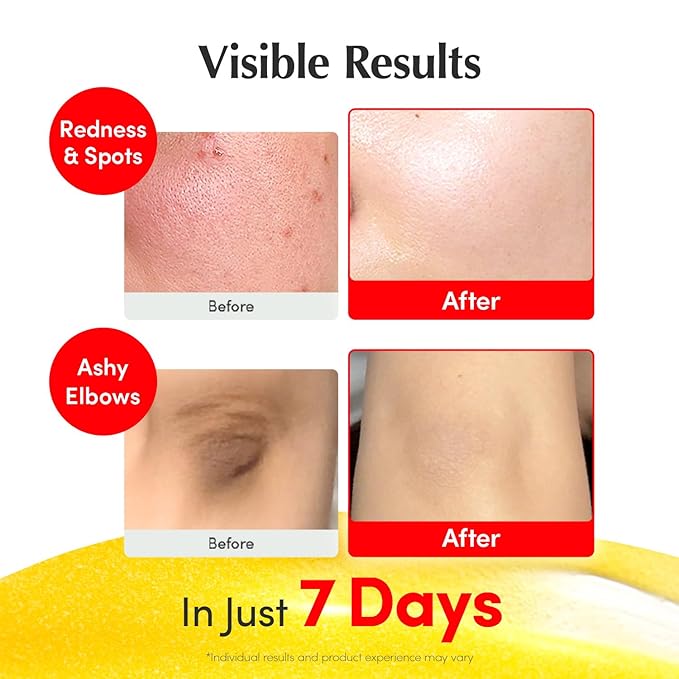
The internet is filled with striking before-and-after pictures. Clever lighting and well-groomed hair days often accompany these images, lending an air of credibility that may not reflect real-life outcomes.
The Allure of Ancient Remedies
The notion that something used for millennia must have merit gives castor oil a sense of legitimacy, despite the fact that people in ancient times also embraced much less sensible practices.
Fear of Missing Out (FOMO)
Finally, there’s the psychological impact of FOMO. As people share their experiences, the curiosity to join in and embrace what’s trending becomes hard to resist.
Given these myriad influences, it’s no wonder castor oil has become a household name. However, the pressing question remains: does its rise in popularity correlate with genuine effectiveness?
In Conclusion
Castor oil does not embody the liquid gold that some portray. It serves as a valuable addition to your beauty toolkit, but it is also essential to recognize its limitations and potential risks. While it may offer benefits for certain individuals, it is by no means a miracle remedy.
Be mindful of the claims that abound on social media. Just because something is trending doesn’t mean it’s the best option for everyone. Other oils might serve you just as well, if not better.
As you navigate your way through the world of beauty products, always remember to perform patch tests, start conservatively, and prioritize your body’s responses. At the end of the day, castor oil may be worth considering, but it’s crucial to keep your expectations grounded.