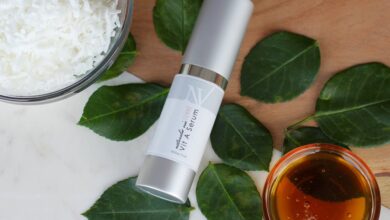
Embrace Simplicity: Unlock the Secrets to Radiant Skin with a Minimalist Skincare Routine
Let’s address a common misconception in the beauty industry that has persisted for years: the idea that achieving glowing skin hinges on a multitude of products, a complex regimen, and costly serums that are nearly impossible to pronounce. It’s time to debunk that myth.
After spending nearly ten years perfecting organic skincare formulations and collaborating with countless women, I’ve learned a vital truth: healthy, luminous skin is the result of a few straightforward practices done consistently, rather than overwhelming yourself with countless products. Your skin doesn’t need micromanagement; it requires support through gentle and considered care. Think of skincare as a daily ritual that reconnects you with yourself while nourishing your skin with effective ingredients—free from the guilt of not using “enough.”
The reality is, you might actually be overdoing it.
What Is a Truly Basic Skincare Routine?
When I refer to “basic,” I certainly do not mean dull or ineffective. Rather, I am advocating for the elimination of unnecessary products, allowing you to focus on elements your skin genuinely requires. Your skin is a highly sophisticated organ that manages its own oils, sheds dead cells, maintains pH balance, and even repairs itself during sleep. Your role is not to control this process but to facilitate it.
The Science Behind Simplicity
Many people overlook one crucial fact: your skin possesses a protective barrier composed of lipids, proteins, and moisture, designed to retain positives and repel negatives. Loading your skin with excessive products—especially those containing harsh chemicals or conflicting active ingredients—disrupts this barrier, leading to confusion. Consequently, your skin may either overproduce oil to compensate or underperform, resulting in dryness, heightened sensitivity, or breakouts.
Research supports the notion that consistently using a few well-selected products yields more effective results than endlessly swapping between complicated routines. Simplicity aligns with nurturing skin barrier function more effectively than elaborate regimens. Your skin flourishes under consistent, gentle care—not constant overhaul.
The Four Core Elements of Skin Health
When you cut through the marketing clutter, skin health revolves around four fundamental needs:
-
Gentle Cleansing: To remove daily grime without stripping away natural oils.
-
Hydration: To ensure cells remain plump and functioning optimally.
-
Nourishment: To deliver oils and nutrients that support barrier repair.
-
Protection: To shield against environmental damage and UV exposure.
Everything beyond these essentials is optional and situation-dependent. A holistic approach acknowledges that skin is intertwined with various factors, such as stress levels, gut health, hormonal balance, sleep quality, and your overall self-perception. True radiance emerges from caring for the whole, not merely what’s applied topically.
This post contains affiliate links. If you make a purchase through my links, I may receive a small commission at no additional cost to you. I only recommend products I truly believe in.
Step 1: Cleanse With Intention
One area where many falter is cleansing. Common issues include either insufficient cleansing—which leaves makeup, sunscreen, and pollutants on skin overnight—or excessive cleansing, which strips essential protective oils and disrupts pH balance.
The aim isn’t achieving a “squeaky clean” feeling; that tight sensation often signifies barrier damage.
The Importance of Gentle Cleansing
Your skin produces sebum, which is essential—it acts as a natural moisturizer and protective layer. Utilizing harsh cleansers, particularly those laden with sulfates, can strip away this natural protection. When overwhelmed, the skin might respond in two ways: overproduce oil, setting the stage for breakouts, or shut down and become excessively dry.
Natural cleansing works differently. For instance, using plant oils effectively dissolves oil-based impurities without disturbing your skin’s delicate balance.
My Cleansing Routine
-
Evening: I ensure a thorough cleanse to remove the day’s build-up. I employ the oil cleansing method—massaging a teaspoon of organic jojoba oil or sweet almond oil onto dry skin for about 60 seconds. This oil dissolves makeup, sunscreen, and dirt while simultaneously nourishing the skin. I then use a warm, damp soft cloth to wipe everything away. Occasionally, I finish up with an extremely mild, pH-balanced cleanser if needed.
-
Morning: I keep it straightforward. A splash of lukewarm water usually suffices, patting my face dry while leaving it slightly damp. If I choose to use a cleanser, it is always something exceedingly gentle, avoiding any harsh scrubs or foaming agents.
Effective Natural Cleansing Options
- Jojoba Oil: Mimics your skin’s natural sebum, perfect for all skin types.
- Sweet Almond Oil: Gentle, nourishing, and easily absorbed.
- Coconut Oil: Excellent for makeup removal but may be comedogenic for some.
- Diluted Castile Soap: A more traditional cleanser that is pH-balanced when diluted.
The essence lies in warmth and gentleness. Allow this cleansing ritual to become meditative rather than rushed.
Step 2: Restore Balance With Hydration and Toning
After cleansing, your skin requires restoration of pH balance and hydration levels. This is the role of toners and hydrating mists. However, I recommend avoiding astringent, alcohol-based toners that can sting and dry the skin out. Rather, opt for gentle, pH-balancing waters that help prepare your skin to absorb the nourishment forthcoming.
Why pH Balance Matters
Your skin naturally resides within a pH range of 4.5-5.5, slightly acidic to protect against harmful bacteria and keep the skin barrier intact. Unfortunately, most tap water hovers around a pH of 7-8, raising your skin’s pH temporarily after cleansing. A quality toner brings it back to its ideal range promptly.
Methods for Internal Hydration
Interestingly, water-based products can draw moisture into your skin cells, enhancing their function. When applied to slightly damp skin, hydrating products can lock in moisture, creating a sealed environment for your oils and serums to thrive.
Natural Toning Options
-
Rose Water: pH-balancing, calming, and delightful fragrance; helps soothe irritated skin.
-
Alcohol-Free Witch Hazel: Contains natural tannins that gently tighten pores and deliver antioxidants.
-
Aloe Vera: Soothing and hydrating, particularly beneficial when sourced fresh.
-
Cucumber Water: Light and refreshing when blended and strained.
To apply, either spray or pat your toner onto clean skin, allowing it to absorb naturally. Move immediately to the nourishing step while your skin is still damp for maximum absorption.
Step 3: Nourish Your Skin Barrier With Botanical Oils
This next step is where the real magic unfolds. While your skin remains damp from toning, you seal in hydration with nourishing oils that deliver the fatty acids, vitamins, and antioxidants essential for repair and protection.
The Role of Oils in Skincare
Many fear oils, particularly those with oily or acne-prone skin. The truth is, providing the right oils signals to your skin that it has sufficient nourishment, helping to reduce oil overproduction. Moreover, plant oils carry fat-soluble vitamins and antioxidants that water-based products cannot deliver effectively.
My Favorite Nourishing Oils
-
Rosehip Oil: Offers natural retinoids to boost cell turnover and is rich in vitamin C and fatty acids.
-
Argan Oil: Packed with vitamin E and fatty acids, it absorbs beautifully, ideal for most skin types.
-
Jojoba Oil: Mimics your skin’s own sebum; non-comedogenic and balancing.
-
Squalane: A lightweight oil that naturally occurs in the skin, diminishing with age.
For even greater nourishment, especially during harsh weather, I sometimes incorporate pure, unrefined shea butter, which provides mild natural sun protection.
Proper Application of Oils
It’s essential to apply oils correctly:
- Place 3-5 drops into your palms.
- Rub your hands together to warm the oil.
- Press gently into your slightly damp face and neck.
Avoid vigorous rubbing; use light patting motions, allowing your body heat to assist absorption. The skin should feel soft and nourished, not greasy.
The Moisture Sandwich Technique
To maximize hydration, consider this hydration layering method:
- Cleanse gently.
- While skin is damp, apply hydrating toner.
- Immediately follow with your chosen oil or serum.
- Optional: Seal with a touch of balm if needed.
This technique can boost skin hydration by up to 30% compared to using a moisturizer alone.
Step 4: Protect Your Skin from Environmental Damage
Protection is the last and non-negotiable step in any basic skincare routine. Your skin contends with daily assaults from UV rays, pollution, free radicals, and various environmental stressors. Without adequate protection, even the most nurturing skincare efforts may fall short against premature aging and damage.
Sun Protection: The Most Critical Step
Frankly, if you’re not applying sun protection daily, nothing else plays as significant a role. UV damage accumulates; it builds up with each passing day, even during cloudy weather or winter months. Up to 90% of UV rays reach your skin through cloud cover, and UVA rays can penetrate glass.
Natural Sun Protection Options
I advocate for mineral sunscreens featuring zinc oxide or titanium dioxide. These types sit atop the skin and reflect UV rays instead of absorbing them, which is typical for chemical sunscreens. Today’s mineral formulas offer tinted options, avoiding the dreaded white cast.
My Approach:
- Daily moisturizer containing SPF 30+ for regular days.
- Separate mineral sunscreen for extended outdoor exposure.
- Reapply every two hours when outside.
- Don’t forget areas like ears, neck, and backs of hands.
Antioxidant Protection
Beyond sun protection, antioxidants safeguard your skin against free radical injuries stemming from pollution and environmental stress. Natural oils like rosehip, argan, and jojoba inherently possess antioxidants such as vitamin E and polyphenols. For enhanced urban defense, I often add a vitamin C serum to my morning routine. Natural sources include kakadu plum extract, acerola cherry, and rosehip—all of which provide benefits without the irritation sometimes caused by synthetic alternatives.
Night Protection
During nighttime, skin rejuvenation occurs, but it still welcomes protection from factors like your pillowcase and dry air. I generally apply slightly richer oils in the evening, either rosehip or a blend with a bit of shea butter, creating a barrier that supports overnight repair without clogging pores. Switching to silk or satin pillowcases minimizes friction and moisture loss during sleep.
The Emotional Aspect: How Your Skincare Ritual Affects Your Well-being
The beauty industry often neglects a vital fact: your skin acts as a reflection of your internal health. Elements like stress, insufficient sleep, hormonal shifts, and digestive health directly contribute to what’s visible on your face. Therefore, I prefer the term “ritual” over “routine.”
The Stress-Skin Connection
High cortisol levels induced by stress engender inflammation, suppress immune defense, and disrupt the skin barrier. Research confirms that mindfulness practices substantially lower cortisol. Even a brief skincare moment can serve as a daily meditation, benefiting both skin condition and overall well-being.
Crafting Your Ritual
Transform your basic skincare into a grounding practice:
-
Morning: Use this time to set intentions for your day as you apply your cleanser or oil, taking deep breaths and tuning in to your skin.
-
Evening: Allow your skincare process to signal the day’s end. Cleansing away the day’s issues becomes an act of self-care.
The physical motions of gently touching your face, the delightful scents of natural oils, and moments of tranquility are essential in regulating your nervous system.
Honoring Your Body’s Cycles
Women’s skin undergoes changes throughout the menstrual cycle. Embracing these variations creates harmony with your skin’s natural rhythms.
-
Week 1: Skincare is usually most effective right after your period—ideal for introducing new products or gentle exfoliation.
-
Week 2: Estrogen levels peak, and skin exhibits a natural glow. Stick to your minimalist routine during this time.
-
Week 3: Rising progesterone levels can increase oil production. A more gentle cleansing regimen may be necessary.
-
Week 4: Many women experience heightened sensitivity before their period. Keep everything minimal and soothing.
Recognizing these patterns fosters understanding and reduces frustration.
The Gut-Skin Connection
Your skin is effectively an extension of your gut health. Issues such as poor digestion, inflammation, and food sensitivities manifest visibly on your face. True skin wellness involves more than topical application; it requires:
- Consuming whole, unprocessed foods.
- Incorporating omega-3 fatty acids (try adding ground flaxseed daily).
- Staying hydrated (that morning glass of water is crucial).
- Managing stress effectively.
- Prioritizing quality sleep.
Your skincare ritual serves as a poignant reminder that self-care transcends merely the products you use.
Your Streamlined 3-Product Holistic Skincare Routine
To put it into practical terms, you don’t need a plethora of products. Just three essentials used consistently can work wonders.
Morning Ritual (3 Minutes)
-
Cleanse: Splash your face with lukewarm water, pat mostly dry (leave slightly damp).
-
Nourish + Protect: Apply 3-4 drops of facial oil to damp skin (jojoba or squalane work beautifully) and follow immediately with SPF 30+ mineral sunscreen.
Done.
Evening Ritual (5 Minutes)
-
Cleanse: Massage a teaspoon of cleansing oil into dry skin for 60 seconds, then gently wipe away with a warm, damp cloth.
-
Tone: Spritz or pat rose water onto clean skin while still slightly damp.
-
Nourish: Apply 4-5 drops of rosehip or argan oil to damp skin. Optionally, add a tiny amount of shea butter if your skin craves extra nourishment.
Done.
Optional Weekly Additions
Once or twice a week, consider gentle exfoliation using equal parts fine sugar mixed with agave syrup, or oats blended with warm water. Massage for about 30 seconds and rinse thoroughly.
As needed, indulge in simple face masks crafted from kitchen ingredients (avocado for dry skin or cucumber and aloe for sensitive skin).
A Minimalist DIY Option
For those who appreciate simplicity, creating your own basic products can be rewarding:
-
Cleansing Oil: Mix 90% sweet almond oil with 10% castor oil.
-
Toner: Pure rose water or alcohol-free witch hazel.
-
Facial Oil: Combine 50% jojoba oil and 50% rosehip oil, adding the contents of one vitamin E capsule for every 30 ml.
Store these in dark glass bottles away from heat and light, labeling with dates for mindful usage.
Less Is More: Reconnect for Better Skin
Your skin isn’t in need of repair; it seeks support, respect, and consistency. The most transformative step you can take is reframing skincare from being a struggle against aging or perceived flaws to a nurturing affirmation of self-care.
By simplifying your regimen, you alleviate decision fatigue and liberate yourself from second-guessing. The space created allows your skin to perform its innate functions of regulation, repair, and self-protection.
A basic skincare routine is not about doing less because of indifference. It represents doing less to achieve better outcomes. Each time you gently cleanse, nourish with pure botanical oils, and dedicate those fleeting moments to yourself, you are cultivating radical self-care in a society that often tells you that you are not enough.
Your skin is sufficient. You are sufficient. Start with simplicity, maintain consistency, and trust the process. The glow you seek radiates from within, supported by gentle, purposeful care from the outside.
“True beauty isn’t merely flawless skin but skin nurtured with intention, honored for its complexity, and cherished as the remarkable organ it is.”