Unlocking Hydrated Skin: The Power of DIY Serums
Have you ever felt the frustration of dry skin that just doesn’t seem to quench its thirst? You’ve tried all sorts of moisturizers and oils, yet by midday, your skin still feels tight. If you’re skipping the crucial step of adding a serum to your routine, that might be part of the problem. Serums aren’t just another layer to add; they’re the secret weapon that delivers focused hydration right where your skin needs it the most.
What Sets Serums Apart from Moisturizers?
Many people confuse serums with moisturizers, so let’s break it down in simple terms. Serums are formulated with smaller molecules than moisturizers, allowing them to penetrate the skin more effectively. This means they can deliver active ingredients deep into the skin layers. On the other hand, moisturizers act mainly on the upper layers of the skin, creating a barrier that traps hydration and protects against external factors.
Think of it like this: a moisturizer is the lid on a jar, while a serum is what you pour into the jar first, ensuring that the essential ingredients are locked in.
For those with dry, mature skin, a hydrating serum can provide that much-needed boost of moisture. By incorporating humectants like glycerin and hyaluronic acid, a serum helps to bind water to the skin, while your moisturizer or facial oil locks that hydration in place. This two-step approach can truly transform your skin’s texture and appearance throughout the day.
For detailed guidance on the correct order for applying your skincare products, be sure to check my article that walks you through the skincare routine step by step.
Key Ingredients for Hydration
Before we dive into some easy DIY serum recipes, let’s take a moment to review the powerhouse ingredients that will elevate your skincare game.
Vegetable Glycerin
Glycerin is a plant-derived humectant that helps to retain moisture in the skin. According to a study in the British Journal of Dermatology, glycerin slows water loss by penetrating the stratum corneum and forming a hydration reservoir. Most skin types tolerate glycerin well. In fact, a double-blind study showed that a cream with 20% glycerin significantly increased skin hydration levels after just ten days.
Vegan Hyaluronic Acid
Hyaluronic acid (HA) is a hydration superstar, famously known for its ability to hold up to 1,000 times its weight in water. While there’s some debate about the exact science behind this claim, it’s widely accepted that HA is an effective humectant that significantly boosts skin hydration. A study published in Dermatologic Therapy revealed that a topical HA serum used twice daily raised hydration levels by 55% in women aged 30-65 with photoaged skin.
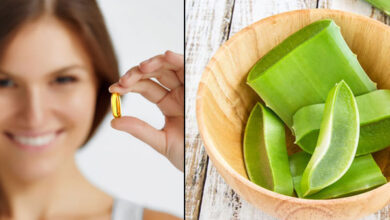
Aloe Vera Gel
Loaded with polysaccharides, aloe vera forms a light, soothing layer on the skin that locks in moisture. It’s also excellent for calming irritation, making it ideal for sensitive, dry skin.
Rose Water
Rose water serves to tone and soften the skin, providing mild anti-inflammatory benefits. It also makes for a delightful base for water-based serums.
Distilled Water
If your serum contains water, using distilled water is crucial. Tap water can introduce bacteria and minerals that could compromise your formula’s safety and stability.
This post contains affiliate links. If you make a purchase through my links, I may receive a small commission at no additional cost to you. I only recommend products I truly believe in.
Essential Notes on Preservation
If you’re planning to make a serum with water, bear in mind that you will need a preservative if you want to keep it for more than a couple of days. Without it, bacteria can grow, regardless of how it looks or smells. The easiest solution for home use is to make small batches and store them in the fridge, using them within 5 to 7 days. For larger batches, consider natural, cosmetic-grade preservatives like Leucidal Liquid or Geogard ECT, both of which are vegan-friendly and easily found online.
4 DIY Hydrating Serum Recipes for Dry, Mature Skin
1. The Beginner Serum: Aloe and Glycerin
This straightforward formula is perfect for newcomers. Blending aloe vera gel, vegetable glycerin, and rose water, this serum will act gently while deeply moisturizing your skin.
Ingredients:
- 4 tablespoons aloe vera gel
- 1 teaspoon vegetable glycerin
- 1 tablespoon rose water (alcohol-free)
Instructions:
- In a clean bowl, mix all ingredients together gently.
- Transfer the mixture into a small glass dropper bottle and refrigerate.
How to Use:
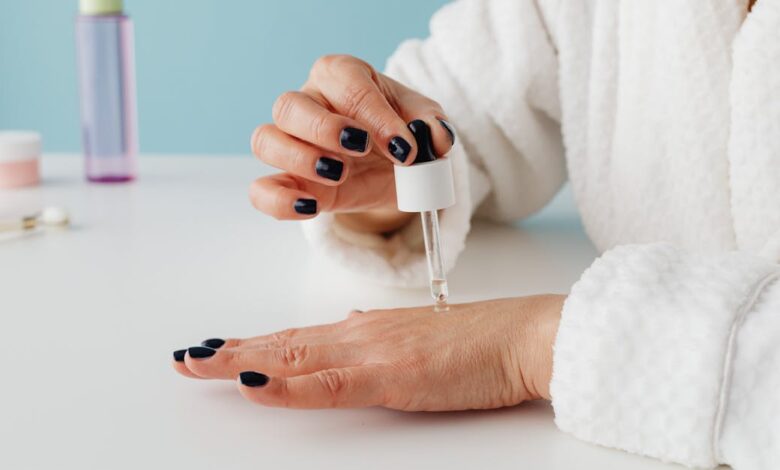
After cleansing, apply 3 to 4 drops to damp skin and gently pat it in with your fingertips. Follow immediately with your moisturizer. Use within 5 to 7 days for the best results.
2. The Plumping Serum: Hyaluronic Acid and Rose Water
For those seeking a little more hydration, this serum takes things up a notch. The key player here is hyaluronic acid.
Ingredients:
- 3 tablespoons distilled water
- 1 tablespoon rose water (alcohol-free)
- 1/2 teaspoon vegan hyaluronic acid powder or serum base
- 1/2 teaspoon vegetable glycerin
Instructions:
- Combine distilled water and rose water in a clean bowl.
- Gradually sprinkle in the hyaluronic acid powder while stirring continuously until fully dissolved.
- Add glycerin and mix well, then pour into a small glass dropper bottle.
How to Use:
Apply to slightly damp skin right after cleansing. Remember to seal with a facial moisturizer or oil to prevent moisture loss. This layering technique is key.
3. The Repair Serum: Aloe, Glycerin, and Bakuchiol
If fine lines and firmness are your concerns, this serum featuring bakuchiol is your best bet. Bakuchiol is a plant-based alternative to retinol.
Ingredients:
- 3 tablespoons aloe vera gel
- 1 teaspoon vegetable glycerin
- 1 teaspoon bakuchiol oil
- 1 tablespoon distilled water
- Optional: 2 drops frankincense essential oil
Instructions:
- In a dark glass dropper bottle, combine all ingredients. Since bakuchiol is oil-based, be sure to shake the bottle before each use.
How to Use:
Apply 4 to 5 drops to clean, damp skin and follow with your moisturizer. This serum can be incorporated into your nightly routine, as bakuchiol is gentle enough for daily use.
4. The Glow Serum: Squalane and Glycerin
Squalane mimics the natural oils produced by your skin, making it an excellent ingredient for hydration.
Ingredients:
- 2 tablespoons aloe vera gel
- 1 teaspoon squalane oil
- 1 teaspoon vegetable glycerin
- 1 tablespoon distilled water
- Optional: 2 drops geranium essential oil
Instructions:
- Mix all ingredients in a dark glass dropper bottle and shake well before each use.
How to Use:
After cleansing, apply 3 to 4 drops to slightly damp skin and follow with your usual moisturizer. This serum is versatile enough for both morning and evening use.
Proper Application of Your DIY Serum
Remember, the method of application is just as important as the serum formulation. Always start with a clean face. Applying serums over SPF or makeup will prevent effective absorption.
- Apply on Damp Skin: This enhances the serum’s effectiveness, especially if it contains humectants.
- Use Sparingly: Three to five drops is all you need. More won’t necessarily yield better results.
- Gentle Patting: Avoid rubbing, gently pat the serum in with your fingertips and let it absorb for about 30 seconds before layering your moisturizer over it.
Storing Your Homemade Serums
A few tips to keep in mind for effective storage:
- Always use dark glass dropper bottles to protect your ingredients from light degradation.
- Store your serums in the fridge when not in use.
- Use within 5 to 7 days, discarding any serum that smells off or looks cloudy.
- Clean all tools and containers with boiling water or rubbing alcohol before use to ensure they are sterilized.
Choosing the Right Serum for You
If you are new to creating your own formulations, I recommend starting with the aloe and glycerin serum. It’s simple, effective, and easy to make. Once you get comfortable, you can experiment with the hyaluronic acid serum for that extra plumpness. If anti-aging is high on your agenda, the bakuchiol serum should be your go-to.
These DIY hydrating serums are among the easiest and most effective skincare solutions at your disposal. All you need to get started are a few affordable, high-quality ingredients easily found online or at your local health food store. Your skin doesn’t have to rely on luxury products; what it truly needs is a consistent routine with the right ingredients.
Embrace these simple yet powerful techniques, and show your skin the love it deserves!