The Truth About Collagen Supplements: What You Need to Know
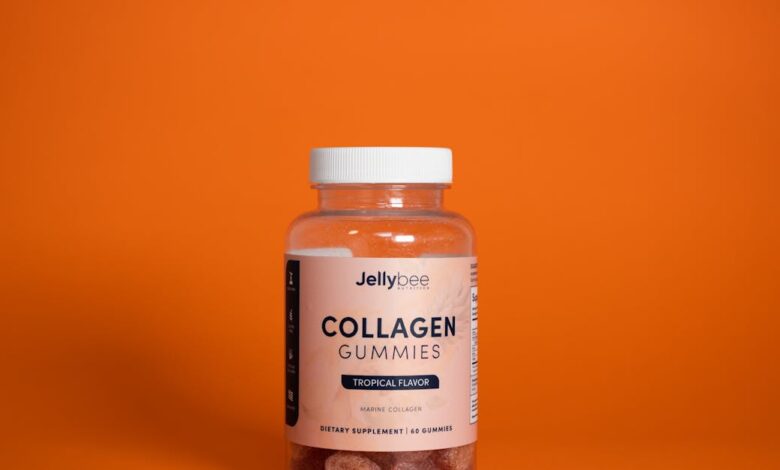
Let’s delve into a topic that’s making waves in the health and beauty industry: collagen supplements. The market for these products is thriving, boasting billions in sales. You’ll find glowing promises everywhere: smoother skin, fewer fine lines, and stronger hair and nails. If you’re a woman navigating your 30s, 40s, or 50s, you might be wondering if these products are your secret weapon against aging. However, there’s an important truth that many brands conveniently overlook, especially if you’re vegan: most collagen supplements out there aren’t designed with you in mind.
But even for non-vegans, the landscape of collagen supplementation is not as clear-cut as advertising suggests. This raises an essential question: why do we find ourselves drawn to these supplements in the first place? What underlying issues are we hoping to address, and who defined them as needing attention? In this article, we’ll tackle these inquiries candidly, without the fluff or exaggerated claims.
Why Are We So Interested in Collagen Supplements?
Take a moment to reflect. When you seek out collagen supplements, what’s your true desire? Are you looking for fewer wrinkles? A return to the youthful glow of your earlier years? Perhaps you seek validation, wanting to feel that you’re combating the relentless messages from the beauty industry regarding aging.
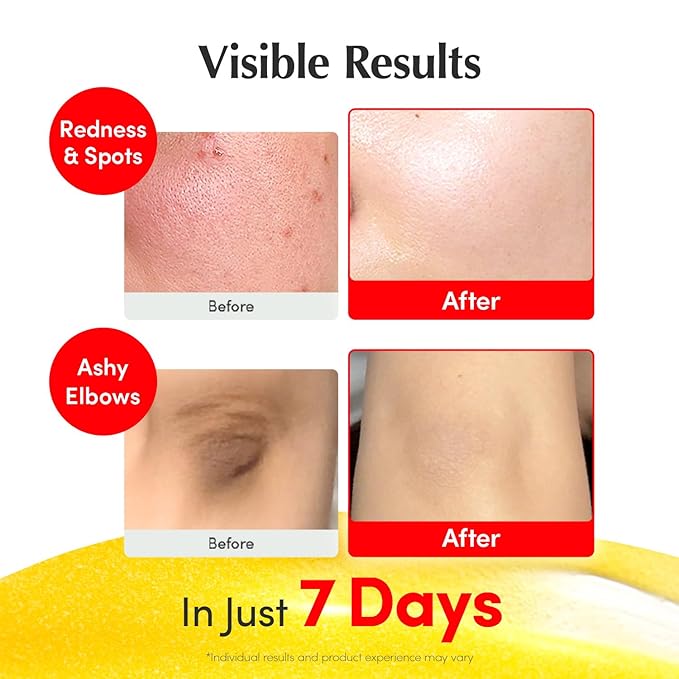
There’s no judgment here; many of us have experienced these feelings. However, the impetus to use a supplement to “fix” supposed flaws in our appearance can shift our focus from nourishing our skin to seeking external approval. And it’s crucial to note this distinction: one is a realistic objective while the other is not.
No supplement can rewind the clock and make you appear 25 again. That’s simply not aligned with the biological processes of skin. On the other hand, you can take steps to support your skin’s health—enhancing its barrier function, elasticity, and self-repair abilities. This article will guide you toward that healthier outlook.
Understanding Collagen: What It Is and Where It Comes From
Collagen is a vital structural protein that serves as the foundation for your skin, keeping it firm and smooth. Remarkably, it constitutes about 80% of your skin’s dry weight, contributing significantly to the plump and elastic qualities associated with youthful skin. Your body naturally produces collagen, but this process begins to slow down starting in your mid-20s, roughly at a rate of 1% per year. By the time you hit your 40s and 50s, this gradual decline becomes visibly noticeable: fine lines emerge, skin appears thinner, and elasticity diminishes.
One critical aspect that often gets glossed over is that collagen is always derived from animals. This means that collagen supplements are generally sourced from cow hides, fish scales, pig bones, or chicken cartilage. Unless specifically labeled as “collagen booster” or “collagen builder,” these products are not suitable for vegans.
You might have encountered terms like “vegan collagen” in the market. This often refers to products containing collagen precursors—nutrients that your body uses to generate its own collagen. But it’s crucial to clarify: the actual collagen isn’t present. I’ll address those precursors in a moment because they might be the most beneficial elements for you.
Do Collagen Supplements Actually Deliver Results?
The science surrounding collagen supplementation is intriguing, though it’s not as robust as many brands would lead you to believe. Some studies indeed indicate that ingesting hydrolyzed collagen (i.e., broken-down collagen peptides) may improve skin hydration, elasticity, and even reduce the visibility of fine lines. A 2019 review published in the Journal of Drugs in Dermatology, which analyzed 11 studies, revealed somewhat encouraging findings regarding skin aging.
However, there are significant caveats to consider. Firstly, many of these studies are limited in size and duration and are often funded by supplement companies, which raises questions about impartiality. Secondly, when you consume a collagen supplement, your digestive system breaks it down into amino acids—these are the same amino acids found in any protein-rich food. Your body then decides how and where to utilize them, which might not specifically target your skin. Lastly, the dosages utilized in studies frequently exceed those found in standard supplements, and while results might be promising, they often indicate only modest improvements rather than miraculous transformations.
So, while you could see some benefits from collagen supplementation, don’t expect overnight miracles. You won’t simply stir a scoop of collagen powder into your smoothie and wake up to breathtaking skin.
A Nature-Friendly Approach: Supporting Your Body Holistically
Here’s my main philosophy, a theme that resonates throughout my discussions on health: your body isn’t malfunctioning. It doesn’t require tricks or a barrage of isolated compounds. Instead, it thrives when given the right circumstances to perform optimally.
Your skin has been producing collagen your entire life—it hasn’t forgotten how. The crucial question is whether you’re supplying it with the raw materials and environment it needs to continue doing this effectively. This inquiry is fundamentally more important than just “what supplement should I purchase?”
Think of your skin like a garden. You wouldn’t simply dump synthetic fertilizers on struggling plants and anticipate immediate results. You’d assess the soil, light, and water conditions, making adjustments as needed to revitalize your garden. This same philosophy applies not only to your skin but to your overall health—and the best part? It often requires minimal financial investment.
Essential Elements That Support Collagen Production
Let’s explore the key factors that genuinely contribute to your skin’s collagen production—founded on scientific evidence and attainable without relying on costly supplements.
Vitamin C
Vitamin C is indispensable for collagen synthesis. Your body cannot produce collagen without it. Vitamin C acts as a cofactor for enzymes that stabilize the collagen molecule. Without it, the structure of collagen does not hold together correctly.
Food Sources: Citrus fruits, bell peppers, kiwi, broccoli, and strawberries are abundant in Vitamin C. Additionally, using a quality Vitamin C serum topically can also aid in supporting collagen production directly in the skin.
Silica
Silica is a mineral that plays a crucial role in collagen formation and skin elasticity. It can be found in foods like oats, bananas, green beans, and horsetail (as either a tea or supplement). Some studies suggest that silica can improve skin texture and minimize fine lines.
Zinc
Zinc is another essential mineral for collagen synthesis, and many individuals unknowingly have a mild deficiency. Sources of zinc include pumpkin seeds, hemp seeds, lentils, chickpeas, and cashews.
Plant-Based Amino Acids
Collagen consists of specific amino acids, particularly glycine, proline, and hydroxyproline. You don’t need to consume collagen directly; your body can synthesize what it needs from a varied, protein-rich plant-based diet. Foods such as legumes, tofu, tempeh, nuts, seeds, and whole grains are excellent sources.
Sleep
This is the stage where your body performs its repair work. Growth hormone—which fosters tissue repair and collagen synthesis—is primarily released during deep sleep. Chronic sleep deprivation hastens skin aging more than almost any dietary component.
Sun Protection
UV radiation is the largest external factor contributing to collagen breakdown. This isn’t limited to sunburn; daily cumulative sun exposure is a significant concern. Wearing daily sunscreen is not merely optional; it’s a vital choice for skin health.
Stress Management
Prolonged high levels of cortisol can damage collagen. This link is well-documented and often overlooked. If you’re not sleeping well, living under constant stress, and skipping meals, no supplement will counteract those effects.
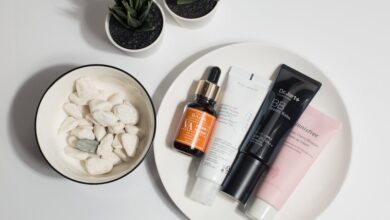
Plant-Based Products to Consider for Your Skin
If you’re interested in exploring options beyond food and lifestyle adjustments, here are a few plant-based products that are valuable and evidence-supported:
Bakuchiol
Bakuchiol is a plant-derived alternative to retinol sourced from the babchi plant. Research indicates that it stimulates collagen production and enhances the appearance of fine lines and elasticity without the irritation often associated with retinol. If you’re looking for a topical product to support your skin’s structure, this is a solid choice.
Rosehip Oil
Rich in Vitamin C and trans-retinoic acid, rosehip oil can enhance skin elasticity and lessen scarring and fine lines. It’s one of the few carrier oils with credible evidence supporting its role in reducing signs of aging.
Vitamin E
This robust antioxidant shields collagen from oxidative damage. It’s particularly effective when used in conjunction with Vitamin C, which it complements synergistically.
Squalane Oil
Derived from plant sources like sugarcane or olives, squalane mimics your skin’s natural sebum, helping preserve the moisture barrier that keeps irritants out and hydration locked in.
Frankincense Essential Oil
Historically valued for its skin-enhancing properties, frankincense offers anti-inflammatory benefits and some evidence supports it in promoting skin cell regeneration. Always dilute it with a carrier oil before applying.
Vegan Hyaluronic Acid Serum
Although hyaluronic acid doesn’t directly build collagen, it can hold up to 1,000 times its weight in water, keeping skin plump and hydrated. Well-hydrated skin tends to be more resilient and ages more effectively, so opt for a vegan formula.
Crafting a Daily Skin Care Routine
Wondering how to implement this knowledge? Here’s a simple and effective skin-supportive, collagen-friendly routine:
Morning
- Cleanse gently
- Apply Vitamin C serum
- Follow with SPF
Evening
- Cleanse
- Apply rosehip oil or bakuchiol
- Optionally add a drop of frankincense oil
Throughout the Day
- Maintain a varied plant-based diet
- Stay hydrated
- Get outside for natural sunlight
Non-Negotiables
Prioritize adequate sleep, effective stress management, and daily sun protection consistently.
A Note About Wrinkles
It’s essential to clarify something significant: wrinkles are not failures or issues to be fixed. They are part of the natural aging process, indicative of a life lived—expressing emotions, basking in sunlight, and smiling. The beauty industry has spent years persuading us that aging skin reflects inadequacy. However, caring for your skin should stem from a desire for it to be healthy, vibrant, well-nourished, and resilient.
Caring for your skin due to fear of aging or a desire for social validation is a mindset worth reevaluating. You deserve better than that, and so does your skin.
The Bottom Line
While collagen supplements may not eliminate your wrinkles—and largely remain unsuitable for vegans—they do offer only modest benefits according to robust science. What truly works? Providing your body with the necessary nutrients to create its own collagen, shielding it from factors that degrade collagen, and establishing a straightforward, consistent routine with scientifically backed ingredients.
No gimmicks. No capsules. Just your body, thriving and functioning as it was designed to—given a gentle nudge in the right direction.
This post contains affiliate links. If you make a purchase through my links, I may receive a small commission at no additional cost to you. I only recommend products I truly believe in.