Natural Ways to Lighten Brown Hair at Home
Want to add a touch of brightness to your brown hair without resorting to harsh chemicals? You’re not alone. Many people crave that sun-kissed, vibrant look—something subtle that makes you feel refreshed. The good news is you don’t have to book a salon appointment or slather your hair with lemon juice to achieve this. I’m Patri, a certified organic skincare formulator and health coach, and I’m excited to share five plant-based methods to gently lighten your brown hair in the comfort of your home.
Why Brown Hair is Ideal for Natural Highlights
Did you know that brown hair is naturally primed for highlighting? Hair gets its color from melanin, which consists of two types: eumelanin (darker pigment) and phaeomelanin (warm, golden-red pigment). The presence of phaeomelanin means that brown hair can develop beautifully warm tones when lightened with natural ingredients. Instead of stripping your hair’s color, these approaches enhance the lovely tones already present in your strands. This results in gorgeous colors like caramel or honey that appear natural, as they are simply accentuating what you already have.
It’s important to keep in mind that the darker your hair is, the subtler the results may be, especially without sun exposure. Understanding this upfront can help manage your expectations, so keep reading for a more detailed look at what you can achieve.
This post contains affiliate links. If you make a purchase through my links, I may receive a small commission at no additional cost to you. I only recommend products I truly believe in.
Five Natural Ingredients to Brighten Brown Hair
The following five ingredients are vegan, affordable, and easy to acquire, making them excellent choices for achieving those sought-after highlights.
1. Chamomile Tea
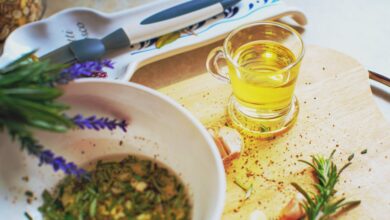
Chamomile tea is often underrated as a hair lightener, but it has a gentle, reliable effect, especially for light to medium brown hair. Chamomile’s natural compounds, including apigenin and flavonoids, work beautifully when combined with sunlight. This method creates warm, subtle tones that look radiant and natural without stripping your hair.
To use chamomile for highlights, brew a strong cup using 4 to 6 tea bags or a handful of dried flowers. Allow it to cool, then use it as a rinse after shampooing. For best results, sit in the sun for about 20 to 30 minutes after application before rinsing it out. Consistent weekly use will yield visible changes in your hair over a few weeks.
2. Lemon Juice
Lemon juice is a classic remedy for lightening hair, and there’s a reason it’s a go-to. The citric acid in lemon juice gently opens the hair cuticle, allowing the UV light to oxidize pigment effectively. However, it’s essential to use diluted lemon juice as undiluted versions can dry your hair out due to the loss of natural oils.
To mix, combine fresh lemon juice with an equal part of water or even aloe vera gel for a milder effect. Apply it to sections of your hair where you’d like to see highlights, then step outside for about 20 to 30 minutes. Keep in mind that this method is most effective on light to medium brown hair, while dark hair may see minimal changes.
3. Cinnamon and Agave Syrup
For those seeking warm, caramel-toned highlights, this blend of cinnamon and agave syrup could be your new favorite. This mixture acts as a leave-in mask that naturally lightens hair over time.
To create this mask, mix 3 tablespoons of ground cinnamon with 2 tablespoons of agave syrup. Add enough of your regular conditioner to make a paste. Apply it to the desired sections of your hair, focusing on areas where the sun would naturally hit. Cover your hair with a shower cap and leave it overnight. Rinse thoroughly the next morning and repeat weekly. You should start seeing lovely, golden-red tones within three to four weeks.
4. Calendula Tea
Calendula, often overshadowed by chamomile, is another wonderful option for lightening hair. It contains flavonoids that have a mild lightening effect and results in warm golden-amber tones, which can be particularly flattering.
To use calendula, brew a strong infusion using dried calendula flowers. Let it cool, then use it as a final rinse after washing your hair. Just like chamomile, exposure to sunlight further activates the lightening properties, so consider sitting outside for 20 to 30 minutes before rinsing it out or leaving it in for a more prolonged effect.
5. Rhubarb Root
This ingredient may come as a surprise, but rhubarb root has been a natural lightener for centuries. It contains compounds like chrysophanol that impart warm tones to the hair.
For a rhubarb root rinse, simmer 3 to 4 tablespoons of dried rhubarb root in 2 cups of water for 20 minutes. After it cools, strain well and apply it to damp hair, letting it sit for 30 to 60 minutes in the sun. Be cautious, though, as rhubarb root can leave a faint yellow tint on your skin. Always wear gloves for application and conduct a strand test beforehand.
DIY Natural Highlight Rinse
Why not try a combination of the above ingredients in a simple DIY rinse? This recipe incorporates chamomile and lemon for their lightening properties, combined with the nourishing effects of argan oil and aloe vera gel.
Ingredients
- 1 cup of strongly brewed and cooled chamomile tea
- Juice of half a fresh lemon
- 1 tablespoon of aloe vera gel
- 5 drops of argan oil
Instructions
- Begin by washing your hair as usual and leaving it damp.
- Mix all the ingredients together in a jug or spray bottle.
- Generously apply the mixture to your hair, focusing on the areas where you want the highlights—such as the crown, face-framing sections, and ends.
- Step outside to soak in the sun for about 20 to 30 minutes for the UV exposure to activate the lightening effects.
- Rinse thoroughly and follow with your usual conditioner, particularly on the ends.
If you have leftovers, store the rinse in the fridge and use it within two days for optimum freshness.
Making Your Natural Highlights Last
One thing to keep in mind is that natural highlights can fade, just like any other hair color. The intensity can diminish due to heat, washing, UV exposure, and harsh chemicals. Here are some habits that can help maintain your beautiful new color.
Rinse with Cold Water
After washing your hair, a cold water rinse can do wonders. Warm and hot water opens the hair cuticle, allowing color molecules to escape. Cold water helps seal the cuticle and keeps the color locked in. It may take some getting used to, but a quick cold rinse can make a noticeable difference over time.
Avoid Sulfates in Shampoos
Many traditional shampoos contain sulfates that are effective cleansers but also quite stripping, which can lead to fading your highlights faster. Instead, look for sulfate-free options or milder alternatives.
Protect from Heat
Minimizing heat styling can significantly prolong your highlights. If you do use tools like straighteners or blow dryers, be sure to apply a protective oil beforehand to shield your hair.
Regular Use of Protective Oils
Applying a few drops of argan oil or jojoba oil on damp hair after washing can help seal the hair cuticle and preserve color. These oils provide nourishment and add shine, keeping your hair looking vibrant.
Keep Up with Rinses
Natural highlighting isn’t a one-off project. Consistency is vital for maintaining and enhancing those lovely highlights, so continue using your chosen rinse or DIY recipe weekly or bi-weekly.
What to Expect: Timelines and Results
I believe honesty is essential, particularly when it comes to beauty treatments. Natural lightening methods often yield slow and gradual results. Generally, you can expect to see changes within 4 to 8 weeks of consistent application. Rather than dramatic transformations, you’ll notice a gentle, sun-kissed warmth that truly looks natural.
Factors Affecting Your Results
-
Starting Color: Light to medium brown hair yields the most noticeable results. Dark brown hair will take longer to show clear changes, often needing two to three months of consistent use.
-
Sun Exposure: Most natural lighteners require UV light to activate their properties. If you live in a less sunny area, results may come more slowly. You can also apply your rinse near a bright window if outdoor exposure isn’t feasible.
-
Hair Porosity: If your hair is porous due to previous damage or coloring, it will absorb natural lighteners more readily and yield faster results. Conversely, low-porosity hair may take more time to respond.
-
Consistency: One-time applications typically yield little effect. To see visible changes, weekly or bi-weekly usage is essential.
A Final Thought
Embracing natural hair care methods can be truly rewarding. Yes, it takes time and patience, but the benefits are worth it. Natural highlights grow out gracefully, avoiding the harsh lines that often come with chemical treatments.
Consider starting with the chamomile rinse for a subtle touch of brightness. Add lemon juice for more lift or experiment with cinnamon and agave syrup for those warm undertones. Give your hair the time it deserves, and it will thank you for it.
Happy lightening!