What Not to Do If You Have a Deep Pimple (With Helpful Tips That Actually Work)

Understanding Deep Pimples: Causes and Characteristics
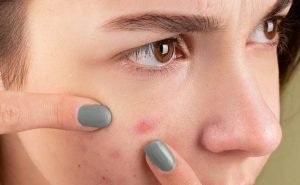
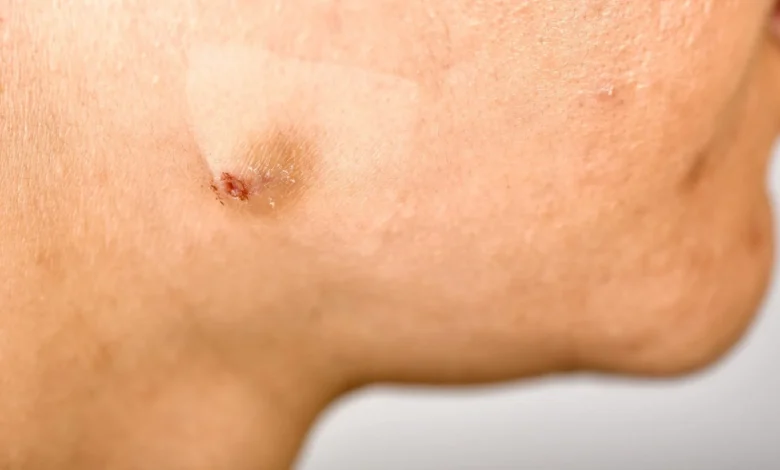
Deep pimples, often referred to as cystic or underground pimples, are distinctive skin blemishes that can be particularly frustrating. Unlike typical whiteheads or small breakouts, these painful lesions develop beneath the skin’s surface, making them not only more uncomfortable but also harder to treat. They often feel like a solid lump that doesn’t seem to come to a head, which can be both annoying and concerning.
When these types of pimples appear, it’s natural to feel an urgent need to address them instantly. The urge to squeeze, cover, or treat them aggressively is common. However, it’s crucial to approach treatment carefully to avoid exacerbating the situation or leaving lasting damage to your skin.
Common Mistakes When Dealing with Deep Pimples
When faced with a deep, painful pimple, it can be easy to panic and try multiple treatments at once. However, there are several actions that can worsen the condition of your skin or prolong the healing process. Here are key strategies to avoid:
1. Refrain from Touching or Squeezing
It’s tempting to attack a deep pimple, especially because of the discomfort it causes. However, squeezing can inadvertently push infection deeper into the skin, leading to increased inflammation and potential scarring. It’s essential to resist the urge to touch.
2. Avoid Harsh Scrubbing
While scrubbing might feel like an effective way to cleanse your face, deep pimples form beneath the skin. Scrubbing can irritate the surface, redden the area, and actually delay healing. Gentle cleansing is the way to go.
3. Don’t Overload with Products
Applying several acne treatments—such as salicylic acid, benzoyl peroxide, and others—simultaneously can overwhelm your skin. This can lead to dryness and irritation. Choose one suitable product and give it time to work.
4. Skip Heavy Makeup
Applying thick layers of makeup in an attempt to cover a deep pimple can clog pores further. If makeup is necessary, go for lightweight, non-comedogenic products that won’t block your pores and always remove makeup thoroughly.
5. Limit Ice Application
Using ice can help reduce swelling, but it should be done carefully. Prolonged ice application can cause cold burns. Keep application brief—about a minute or two—and take breaks in between.
6. Avoid Home Remedies
While it might be tempting to try home solutions such as toothpaste or lemon juice, these can irritate sensitive skin and exacerbate inflammation. Stick to tested methods for treating acne.
7. Be Cautious with Heat
Applying direct heat can aggravate deep pimples by increasing inflammation. While heat might assist in tackling surface-level issues, it generally does not benefit deeper lesions.
8. Don’t Over-Inspect Your Skin
Constantly checking in the mirror can lead to stress and the temptation to touch. Instead, distract yourself and provide your skin the space it needs to heal.
9. Be Patient with Healing
Understand that deep pimples often take longer to heal—typically several days to two weeks. Allow your skin the time it requires to recover without pressuring yourself for immediate results.
10. Watch for Infections
If you notice increased pain, pus formation, or spreading redness, it could signal an infection. This is the time to consult a healthcare professional. Seeking help is essential.
Effective Strategies for Treating Deep Pimples
Now that you know what to avoid, here are some practical tips that can positively impact your skin’s healing process:
1. Warm Compress Application
A warm compress can be beneficial for soothing and softening the skin around the pimple. Here’s how to use it effectively:
- Take a clean cloth or towel and soak it in warm (not hot) water.
- Wring it out and place it against the affected area for about 5 to 10 minutes.
- Repeat this process once a day, ensuring that the cloth is freshly laundered.
The warmth can help ease discomfort and allow your skin to heal naturally.
2. Select One Gentle Treatment
Rather than layering multiple treatments, choose one gentle spot treatment. Consider ingredients like:
- Salicylic acid to help clear blocked pores.
- Low-concentration benzoyl peroxide to combat bacteria without excessive dryness.
- Niacinamide to calm inflammation and redness.
Apply a small amount once or twice daily to the pimple and monitor your skin’s response.
3. Utilize Pimple Patches
Pimple patches can be a lifesaver. These simple, adhesive stickers protect problematic areas from external contaminants, which can help reduce the temptation to touch or pick. Some patches also contain active ingredients that assist in fluid absorption.
4. Maintain a Balanced Cleansing Routine
Stick to cleansing your face twice daily with a gentle, non-stripping cleanser. Avoid ingredients that can irritate or dry your skin out. Post-cleansing, don’t skip moisturizer—even oily skin needs hydration.
5. Change Pillowcases Regularly
Regularly changing your pillowcase is a small but significant step. Pillowcases can harbor oils, sweat, and bacteria that can contribute to breakouts. Aim for a change every two to three days, especially if you are experiencing acne.
6. Keep Your Hands Away from Your Face
Our hands often carry germs that can exacerbate acne. To minimize contact, tie back long hair and keep your hands busy to reduce the likelihood of touching your face throughout the day.
7. Prioritize Rest and Hydration
Your skin benefits from plenty of rest and water. Aim for restorative sleep to aid the healing process, and ensure you are hydrated to support your skin’s health from within.
FAQs About Deep Pimples
Are there quick remedies for deep pimples?
Unfortunately, there is no miraculous shortcut to get rid of deep pimples rapidly. While warm compresses and appropriate spot treatments can reduce swelling and discomfort, healing takes time. Be patient and avoid strategies that might worsen the situation.
What is the best home treatment for a deep pimple?
Keep treatments simple:
- Apply a warm compress once daily.
- Select one effective spot treatment.
- Avoid touching or scrubbing the affected area.
- Use a clean pillowcase and keep your skin moisturized.
Is it possible to pop a deep pimple safely?
Avoid the temptation to pop deep pimples. Attempting to do so can push bacteria deeper, causing more swelling and increasing the risk of scarring. Hands off!
How long does it take for a deep pimple to heal?
The healing duration for deep pimples can vary from 5 days to 2 weeks. Factors such as size and hormonal changes can influence the timeline. If they remain uncomplicated and you resist the urge to manipulate them, they will typically resolve autonomously.
Conclusion
Encountering a deep pimple can feel distressing, especially if you have an event or important engagement approaching. Remember that you are not alone—everyone experiences these irritating skin issues from time to time. What counts is how you respond to these moments. Prioritizing gentle skincare, patience, and self-care over harsh remedies can lead to more favorable outcomes.
Care for your skin thoughtfully and treat yourself kindly during breakouts. With a gentle approach and understanding, you can enhance your healing process significantly. Whether it’s learning what not to do or finding effective ways to support your skin, the path to recovery is achievable.