Embracing the Future of Vegan Mineral Sunscreens
The clean beauty movement is experiencing a significant shift, and one of the most exciting developments this year is the rise of vegan mineral sunscreens. Finally, they are getting the recognition they deserve! For too long, the ingredients list for sunscreens has been filled with questionable components that raise red flags for many. It’s about time we demand better.
The Excitement Around Mineral Sunscreens
Vegan mineral sunscreens are becoming a sensation in the beauty community, and I can’t help but feel thrilled about this progress. As someone who formulates products with natural ingredients, I understand the importance of effective sun protection that aligns with our values. The mainstream sunscreen market has long been filled with concerns about harmful chemicals that not only affect our skin but also pose a risk to the environment.
Fortunately, brands today are cutting through the noise with innovative zinc oxide formulations. This mineral provides a physical barrier to UV rays without the need for dubious chemical filters. Many companies are making strides to create formulas that not only work effectively but also feel great on the skin. This movement is more than just marketing hype—it’s a step toward genuine change.
This post contains affiliate links. If you make a purchase through my links, I may receive a small commission at no additional cost to you. I only recommend products I truly believe in.
What’s Working Now
Let’s dive deeper into what’s happening in the realm of mineral sunscreens. For starters, the industry is finally addressing a long-standing issue: the notorious “ghostly” residue often associated with zinc oxide formulations. Many brands are making significant improvements, ensuring that these products blend seamlessly into the skin without leaving a chalky finish.
This means no more compromise between skin protection and aesthetics! More importantly, these vegan mineral sunscreens steer clear of animal-derived ingredients, making them suitable for all consumers, regardless of their ethical concerns. This shift is monumental because we are now prioritizing products that respect both our skin and our planet.
The Importance of Non-Nano Zinc Oxide
When it comes to choosing a mineral sunscreen, the type of zinc oxide matters greatly. Non-nano zinc oxide sits on the skin’s surface, providing broad-spectrum protection against UVA and UVB rays. This form is also reef-safe, meaning it won’t harm delicate marine ecosystems.
Unfortunately, some “natural” sunscreens still sneak in animal byproducts like beeswax, which contradicts the essence of vegan products. It’s heartening to see brands stepping up with truly plant-based options that not only perform well but also align with our principles.
Rising Demand for Vegan Products
The demand for vegan skincare is on the rise. According to industry reports, searches for vegan beauty products are skyrocketing, with mineral sunscreens taking the lead. This indicates that consumers are becoming more informed and are making conscious choices about their skincare routines.
People are realizing that sun protection shouldn’t come with a hefty price tag or complex jargon. It should be available to all, regardless of budget or background.
Areas Still Needing Improvement
However, it’s not all sunshine and rainbows. While the vegan mineral sunscreen market is thriving, there are significant areas that still need improvement. First, let’s talk about accessibility. Some brands are marking up prices to £40 or more for just 50ml of sunscreen labeled “clean.” This is problematic and veers into the realm of luxury wellness—something that doesn’t sit well with me.
Sun protection should be universal. There’s no reason it should be treated as a luxury item. Furthermore, sustainability is often merely a buzzword thrown around, as evidenced by unnecessary packaging—multiple layers of plastic in a large box that serves no real purpose other than to look good on a shelf. Genuine sustainability means considering the entire lifecycle of the product.
Key Features of Effective Mineral Sunscreens
When shopping for or creating mineral sunscreens, there are several fundamentals you should not overlook:
Zinc Oxide Concentration
Ensure that the formulation has a zinc oxide concentration between 15% and 25%. This level provides the most effective sun protection.
Non-Nano Particles
Always opt for non-nano particles. These are safe for both your skin and the reefs and will not penetrate your skin barrier harmful.
Plant-Based Carrier Oils
Incorporating plant-based oils like coconut oil or shea butter not only enhances application but also nourishes the skin.
Minimal Ingredients
Choose products with minimal ingredients—no fillers, synthetic fragrances, or unnecessary additives. The fewer components, the better.
Reef-Safe Formulation
Always confirm that the sunscreen is reef-safe, meaning it doesn’t contain harmful ingredients like oxybenzone and octinoxate.
Less is More
Sometimes, five simple ingredients can outperform a list of twenty average ones. Quality over quantity always wins.
The Science Behind Sunscreen Innovations
The beauty of biotechnology is transforming sunscreens in ways we couldn’t imagine a few years ago. New research indicates that fermentation technology is creating plant-derived UV filters that are changing the game. These nature-inspired actives could foster breakthroughs in both effectiveness and sensory qualities.
Encapsulation technologies are also making strides, creating sunscreens that feel lighter, smoother, and easier to wear without compromising on protection. Imagine applying a luxurious lotion with sunscreen benefits instead of a thick paste that leaves a residue.
DIY Mineral Sunscreen: A Fun Experiment
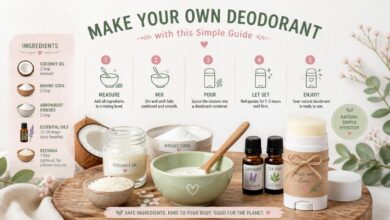
Feeling adventurous? Why not try your hand at crafting your own mineral sunscreen at home? Here’s a straightforward recipe you might enjoy:
Simple Mineral Sunscreen Base
- Non-Nano Zinc Oxide (20%) – Provides SPF 30+
- Coconut Oil or Shea Butter – Acts as a nourishing base
- Carrot Seed Oil (a few drops) – Adds an antioxidant boost
- Optional: Iron Oxide – For a natural tint
Blend these ingredients carefully until smooth. Be sure to apply it evenly and don’t forget to patch-test first. Remember that homemade sunscreens can vary in their protective capabilities, so it’s wise to limit sun exposure and reapply often.
The Path Forward: A Shift in Consumer Behavior
As we head towards 2025, consumers are becoming more savvy. We’re learning not to fall for extravagant marketing or celebrity endorsements. Instead, we seek brands that prioritize effectiveness, ethical practices, and reasonable pricing.
The winners on the market will be those who understand this new consumer mindset and deliver products that are both straightforward and effective. Those brands clinging to the belief that a higher price guarantees better results will inevitably fall behind. The truth is simple: plant-based protection that is functional and accessible is what the market needs.
Let’s celebrate the arrival of vegan mineral sunscreens that respect our skin and intellect, and let’s continue to demand better from the industry. Ethical skincare should not be revolutionary; it should simply be the norm.
Love,
Patri
Conclusion
The rise of vegan mineral sunscreens marks an important step in creating a healthier future for both our skin and our environment. As we navigate this exciting landscape, let’s pledge to support brands that align with our values. Together, we can foster a skincare culture that is inclusive, accessible, and above all—effective.
Thank you for joining me in this journey toward better skincare choices. Let’s continue advocating for products that respect our wellbeing and our planet.