The Hidden Dangers of Phenoxyethanol in Your Skincare (You Probably Applied it Today)

Understanding Phenoxyethanol in Skincare
As a certified organic skincare formulator with over ten years of experience, I have seen countless ingredients come and go. However, few have caused as much internal conflict as phenoxyethanol. Initially hailed as a “miracle” preservative, my journey with it has evolved into something quite different.
In my early formulation days, phenoxyethanol was touted as the perfect alternative to parabens, meant to preserve products while being safer. Following what I learned, I included it in my formulations without further questioning. However, a sense of unease lingered. Could a preservative that significantly extends shelf life come with unseen risks?
Natural skincare often comes with trade-offs, and as I dug deeper into the research, I found that my suspicions about phenoxyethanol were justified. Today, I no longer include this ingredient in my formulations, and this decision is rooted in a principle of continuous learning and a commitment to safe, natural skincare practices.
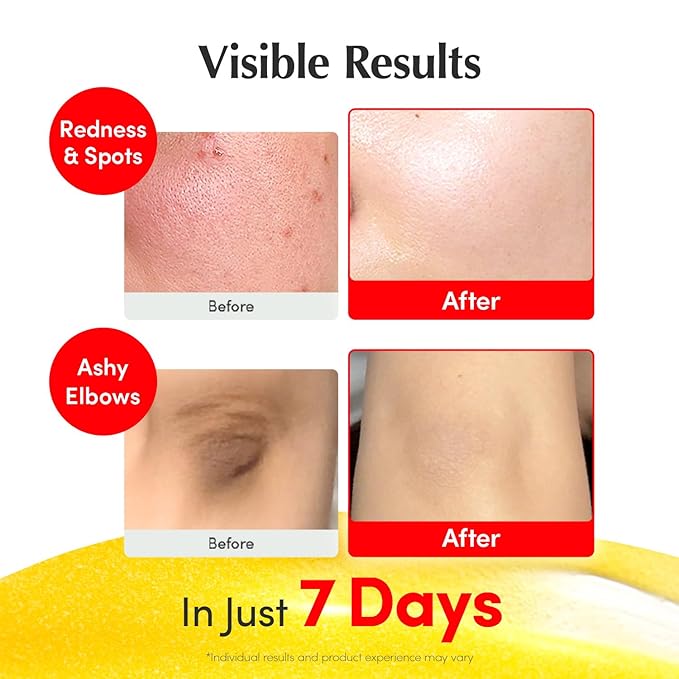
Below, I explore why phenoxyethanol is raising concerns within the clean beauty community so you can make better decisions for your skincare routine.
The Realities of What You Use
Have you ever taken a hard look at the ingredient list on your moisturizer? The days when we could trust everything on the shelves are over. If you glance at your favorite face cream and spot ‘phenoxyethanol,’ know that this synthetic preservative is more common than you might think, even in “natural” products.
So, what exactly is phenoxyethanol? It’s a synthesized preservative made from phenol—derived from benzene—and ethylene oxide. While the final product is not as harmful as its base ingredients, it doesn’t align with the natural solutions many consumers seek. Phenoxyethanol primarily prevents the growth of bacteria and fungi in creams and lotions. However, keeping products “fresh” might come at the cost of your skin’s health.
As consumers, we’ve become more conscious about what we eat; it’s time we apply that same scrutiny to what we apply to our skin.
The Shift Away from Parabens
Remember the fear surrounding parabens? The beauty industry faced a dilemma as consumers demanded paraben-free products. Phenoxyethanol stepped in, presenting itself as an alternative that wouldn’t raise eyebrows. Many embraced it as the new go-to preservative, but I couldn’t shake the feeling that something wasn’t quite right.
Despite its growing popularity, my instincts steered me to question whether we were replacing one problem with another. Quick fixes often mask unforeseen consequences, especially in skincare. I now approach every ingredient with a healthy skepticism, asking myself whether it serves our skin well.
The Unveiling of Dark Truths
As I researched phenoxyethanol further, the glamour surrounding it began to fade. Here are some unsettling facts I discovered:
Skin Irritation Concerns
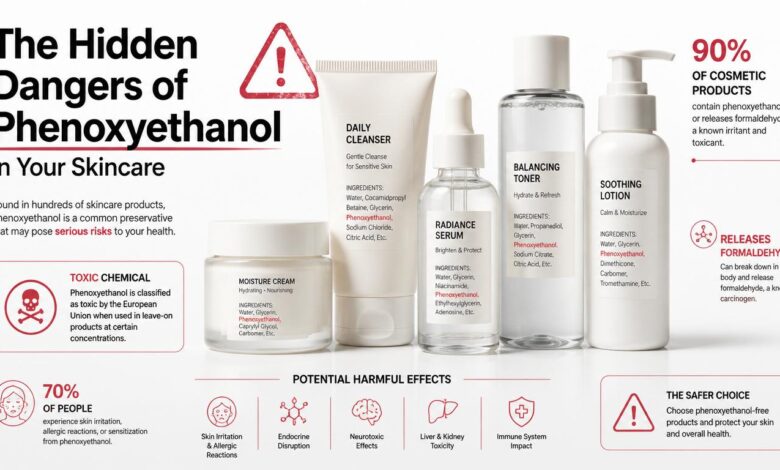
While many may use products containing phenoxyethanol without issue, others report adverse reactions such as rashes and allergic responses. Rare instances of contact dermatitis and urticaria have been documented. This realization led me to pay close attention, especially for individuals with sensitive skin who could experience discomfort.
Endocrine Disruption Worries
Researchers have raised concerns that phenoxyethanol may mimic estrogen, potentially acting as an endocrine disruptor. While phenoxyethanol differs chemically from other harmful glycol ethers banned in various regions due to their reproductive toxicity, its position within the same chemical family raises alarms. The European Scientific Committee on Consumer Safety has concluded that phenoxyethanol is safe for cosmetic use at concentrations of up to 1%. However, they advise extreme caution, particularly regarding infants and their delicate skin.
Cumulative Exposure Issues
Although phenoxyethanol is labeled safe at specific levels, it’s prevalent across many products—moisturizers, toners, serums, and cleansers. Users may unknowingly layer multiple products, accumulating doses that far exceed the recommended concentration. This cumulative exposure risks surpassing what is considered acceptable, especially for sensitive individuals or children.
Environmental Impacts
The environmental effects of phenoxyethanol are coming under scrutiny, especially as it enters our water systems. Though it can degrade in water under certain conditions, it still poses risks to aquatic life at higher concentrations. Phenoxyethanol can disrupt marine ecosystems, adversely affecting the growth and reproduction of fish and other organisms, raising concerns about long-term ecological balance.
Concerns About Production Practices
Another layer of concern stems from the chemicals used in phenoxyethanol’s manufacturing process, which involves potentially carcinogenic substances. Although processes are tightly regulated and the end product is deemed safe, the association with hazardous precursors prompts questions about aligning with the principles behind “clean” beauty. Clean beauty encompasses the entire lifecycle of ingredients—not just what’s inside the bottle.
Phenoxyethanol Under Fire
The scrutiny surrounding phenoxyethanol is growing as consumers become more educated about ingredient safety. However, this growing concern is fueled by a combination of factual information and misunderstandings. It’s vital to focus on scientifically sound information to navigate this complex dialogue.
Retailer Bans
Some clean beauty retailers, like Follain, have chosen to ban phenoxyethanol, aiming to align with customer desires for safer products. While this move may appear progressive, it’s essential to recognize that these actions reflect shifting market trends rather than new scientific discoveries. Banning phenoxyethanol aligns with a broader aim to encourage brands to develop alternative ingredients, reinforcing the need for cleaner formulations.
Embracing Nature’s Alternatives
As the quest for synthetic preservatives like phenoxyethanol dwindles, a world of natural alternatives flourishes. These options not only protect our products but also offer additional skincare benefits. Here are some remarkable natural preservatives that are gaining traction in the industry:
Radish Root Ferment Filtrate
This powerful preservative is derived from radishes and is effective against various types of bacteria and fungi. It is gentle on the skin and biodegradable, making it an eco-friendly choice.
Lactobacillus Ferment
Probiotics can do wonders beyond gut health! Lactobacillus ferment serves as a clean preservative while contributing to skin health. It may assist in balancing skin microbiomes, leading to a radiant and strong complexion.
Leuconostoc/Radish Root Ferment Filtrate
Another fermentation gem, this preservative comes from lactic acid bacteria and is particularly effective against gram-negative bacteria and mold.
Essential Oils
Nature’s fragrant oils offer more than just pleasant aromas; various essential oils possess strong antimicrobial properties. Examples include:
- Tea Tree Oil: Renowned for its antibacterial qualities.
- Rosemary Oil: Provides antioxidant benefits while acting as a preservative.
- Lavender Oil: Not only soothing but effective against germs too.
Antioxidant-Rich Extracts
Certain extracts can preserve products and nourish your skin. Examples include:
- Grapefruit Seed Extract: Broad-spectrum antimicrobial properties.
- Rosemary Extract: Packed with antioxidants to combat free radicals.
- Green Tea Extract: Supports preservation and offers numerous skin benefits.
Neem Oil
Extracted from the neem tree, this oil is known for its strong antimicrobial properties, specifically useful in oil-based formulations.
While these natural alternatives present exciting opportunities, challenges exist, such as matching the effectiveness and shelf stability of synthetic preservatives. Formulating with natural preservatives may necessitate combinations to ensure optimal protection. Moreover, natural doesn’t automatically equate to allergy-free—for this reason, patch testing remains essential, especially for sensitive users.
The Path Forward in Clean Preservation
My journey as a certified organic skincare formulator has taken me from parabens to phenoxyethanol, and now towards embracing natural alternatives. This evolution reinforces a critical lesson about the importance of mindful ingredient selection.
Consumers today are more informed and demand high-quality, safe alternatives. As we journey into the future of skincare preservation, nature offers an abundance of effective, skin-friendly options. While these alternatives may come with a higher price tag, they signify an investment in both personal health and environmental well-being.
Ultimately, your choices shape the industry. Your skin, having accompanied you through every phase of life, deserves the best care possible. As you contemplate your skincare products, consider the impact of your decisions.
In the words of Follain skincare’s spokesperson, “We ban things all the time, but this ingredient [phenoxyethanol] is contentious,” noting that it’s essential to push for safer alternatives and to encourage chemical manufacturers to innovate. This collective push can lead to meaningful change in the skincare industry.
As skincare consumers, the power is in your hands.