Choosing the Right Carrier Oils for Your Skin: A Comprehensive Guide
As a skincare formulator, I understand that selecting the ideal carrier oil can be a daunting task. The market is teeming with options, which can make it challenging to find one that aligns with your skin type and individual needs. Whether you’re seeking a lightweight, non-greasy oil or a rich, hydrating option, there is a perfect carrier oil out there for you. It’s essential to grasp how each oil interacts with your skin, its benefits, and the specific skin concerns it addresses. In this comprehensive guide, I will take you through some of the best carrier oils available, highlighting their unique properties to help you discover the one that will elevate your skincare routine.
How to Select the Right Carrier Oil for Your Skin Type
Finding the perfect carrier oil is all about identifying what suits your skin’s unique requirements. Here’s how to simplify the process:
For Dry Skin
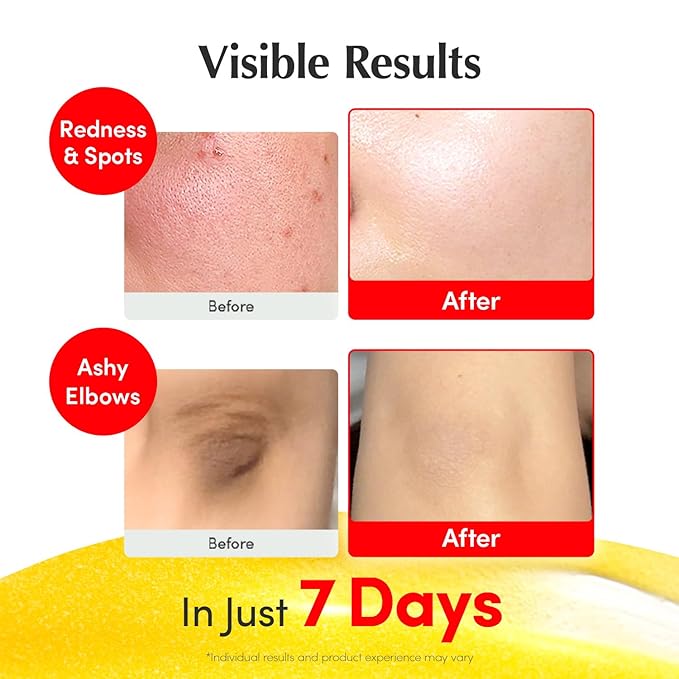
If your skin is on the drier side, opt for oils that are deeply hydrating and nourishing. Avocado and olive oils are excellent choices, as they help lock in moisture and keep your skin feeling comfortable and hydrated.
For Oily or Acne-Prone Skin
Those with oily or acne-prone skin should look for lightweight oils that won’t clog pores. Grapeseed and hemp seed oils are fantastic options because they absorb quickly while contributing to a balanced complexion.
For Sensitive Skin
If you have sensitive skin, choose gentle and calming oils. Sweet almond and apricot kernel oils are ideal, as they are less likely to irritate and can help soothe inflammation.
For Mature or Ageing Skin
For those concerned about signs of ageing, oils such as rosehip and argan are highly beneficial. Rich in antioxidants, these oils support skin regeneration and help reduce the appearance of fine lines.
Important Considerations When Choosing Carrier Oils
Comedogenic Rating
Understanding the comedogenic rating of oils is crucial. This rating indicates how likely an oil is to clog your pores. For example, coconut oil has a higher rating, making it more prone to causing breakouts, while oils like jojoba and sunflower are generally safer for your skin.
Texture and Absorption Rate
The feel of the oil on your skin is equally significant. If you prefer a lightweight touch, opt for oils that absorb quickly, such as marula or grapeseed. In contrast, richer oils like avocado or baobab work wonderfully for nighttime treatments, providing deep nourishment while you sleep.
A Handy Reference Table for Carrier Oils
Here’s a table that can guide you in selecting the right oil based on skin type, concerns, and absorption rate:
| Carrier Oil | Dry Skin | Oily/Acne-Prone | Sensitive Skin | Mature Skin | Fast Absorption | Comedogenic Rating |
|——————–|———-|——————|—————-|————-|—————–|———————|
| Jojoba Oil | ✓ | ✓ | ✓ | ✓ | ✓ | 1 |
| Sweet Almond Oil | ✓ | ✓ | ✓ | ✓ | | 2 |
| Coconut Oil | | | | | | 4 |
| Argan Oil | ✓ | ✓ | ✓ | ✓ | ✓ | 0 |
| Grapeseed Oil | ✓ | ✓ | | | ✓ | 1 |
| Rosehip Seed Oil | ✓ | | | ✓ | ✓ | 1 |
| Avocado Oil | ✓ | | | | | 3 |
| Apricot Kernel Oil | ✓ | ✓ | ✓ | ✓ | | 2 |
How to Incorporate Carrier Oils into Your Skincare Routine
Using carrier oils in your skincare can be a game-changer. Here’s how to seamlessly integrate them into your routine:
As a Facial Oil
After cleansing and toning your skin, apply a few drops of your chosen carrier oil onto your face and neck. Gently massage it in for a radiant glow and to help lock in moisture. You can use oils like jojoba, rosehip, or argan either on their own or blended together.
Add to Your Moisturizer or Serum
Not ready to commit to a full face of oil? No problem! Mix a couple of drops of your favorite carrier oil into your daily moisturizer or serum for an extra hydration boost without feeling heavy.
Oil Cleansing Method
For those who love double cleansing or struggle with makeup removal, carrier oils are essential. Massage a small amount onto dry skin, then remove it with a warm cloth. This technique is perfect for clearing away dirt while keeping your skin soft and hydrated.
DIY Masks and Treatments
Get creative by adding carrier oils to your homemade face masks. For instance, mixing rosehip oil with clay creates a rejuvenating mask that nourishes and brightens the skin.
As a Body Oil
After a shower or bath, take advantage of your damp skin by smoothing a light layer of carrier oil all over your body. Oils like argan and sweet almond are excellent choices for locking in moisture and leaving your skin silky smooth.
Exploring the Benefits of Popular Carrier Oils
Now that you know how to choose and use carrier oils, let’s dive deeper into some of the most popular options and their unique benefits:
1. Jojoba Oil: The Universal Hero
Skin Type: Suitable for all skin types, especially oily and acne-prone.
Benefits: Mimics the skin’s natural sebum, balances oil production, and hydrates without clogging pores.
How to Use: Apply a few drops directly to your face post-cleansing, twice a day.
Pro Tip: Combine it with your favorite moisturizer for an extra boost of hydration.
2. Sweet Almond Oil: The Soothing Elixir
Skin Type: Ideal for dry, sensitive, and normal skin.
Benefits: Packed with vitamins E and A, it soothes irritating skin and is exceptional for moisturizing.
How to Use: Massage 4-5 drops into slightly damp skin, concentrating on dry areas.
Pro Tip: Add a drop to your night cream for enhanced hydration.
3. Coconut Oil: The Hydrator
Skin Type: Best for dry and sensitive skin.
Benefits: Deeply hydrating with antibacterial properties, although virgin coconut oil may clog pores for some.
How to Use: Apply a thin layer before bedtime for overnight absorption.
Pro Tip: Serve as a natural makeup remover for stubborn products.
4. Argan Oil: The Anti-Aging Marvel
Skin Type: Suitable for all, particularly mature or dry skin.
Benefits: Rich in antioxidants and fatty acids, it helps reduce signs of aging while restoring skin’s elasticity.
How to Use: Warm a few drops between your palms and press into your skin before bed.
Pro Tip: Use it as a nourishing cuticle oil too.
5. Grapeseed Oil: The Lightweight Moisturizer
Skin Type: Great for oily, acne-prone, and combination skin.
Benefits: Absorbs fast and aids in oil control while being rich in antioxidants.
How to Use: Use 2-3 drops as a light moisturizer.
Pro Tip: Perfect as a base for DIY massage oil blends.
6. Rosehip Seed Oil: The Skin Regenerator
Skin Type: Ideal for dry, mature, and sun-damaged skin.
Benefits: Loaded with vitamins A and C, it fades fine lines and scars while rejuvenating skin cells.
How to Use: Pat it onto your face after toning, once daily.
Pro Tip: Mix it with sunscreen for added protection.
7. Avocado Oil: The Deep Moisturizer
Skin Type: Excellent for dry, aging, and sensitive skin.
Benefits: Deeply nourishing, it enhances collagen production and repairs damaged skin.
How to Use: Warm drops in your palms and press into dry areas.
Pro Tip: Use as a cuticle oil for healthier nails.
8. Apricot Kernel Oil: The Gentle Nourisher
Skin Type: Perfect for sensitive, dry, or mature skin.
Benefits: Soothes irritation while being gentle and high in vitamin A.
How to Use: Massage drops into clean, damp skin.
Pro Tip: Combine with brown sugar for a gentle scrub.
9. Olive Oil: The Classic Moisturizer
Skin Type: Ideal for dry and sensitive skin.
Benefits: Offers intense hydration, antioxidants, and acts as a protective barrier.
How to Use: Pat a few drops onto your skin post-nightime routine.
Pro Tip: Use on dry hair ends to moisturize.
10. Hemp Seed Oil: The Balancer
Skin Type: Best for oily, acne-prone, combination, and mature skin.
Benefits: Non-comedogenic, balances oil levels, and has anti-inflammatory properties.
How to Use: Massage a few drops into clean skin.
Pro Tip: Mix with aloe vera for a soothing mask.
Blending Carrier Oils with Essential Oils
To enhance your skincare routine, consider blending carrier oils with essential oils. This combination leverages the moisturizing benefits of carrier oils while integrating the targeted effects of essential oils.
Getting Started with Blending
-
Choose Your Carrier Oil: Select an oil that complements your skin type, such as jojoba or rosehip.
-
Add Essential Oils: Since essential oils are highly concentrated, start with 1-2 drops per teaspoon of carrier oil.
Suggested Blends
-
For Acne-Prone Skin: Blend jojoba oil with tea tree or lavender essential oil to soothe irritation and balance oil production.
-
For Dry or Mature Skin: Combine rosehip oil with frankincense essential oil to reduce fine lines and improve elasticity.
-
For a Calming Routine: Mix sweet almond oil with chamomile essential oil for a soothing evening ritual.
-
For Anti-Aging: Create a luxurious blend of argan oil with a drop of ylang-ylang essential oil for a rejuvenating facial oil.
Common Mistakes to Avoid When Using Carrier Oils
While carrier oils can elevate your skincare game, certain mistakes could hinder their effectiveness. Let’s highlight a few common pitfalls:
1. Overusing Oils
Starting with too much oil is tempting, but moderation is key. Just a few drops are sufficient for most applications. Using excess oil can result in a greasy feeling and limit absorption.
2. Selecting the Wrong Oil
Ensure you match the oil to your skin type. For instance, avoid heavy oils like coconut if you have oily skin, and instead, opt for lighter alternatives to prevent breakouts.
3. Skipping Patch Tests
When trying a new oil, especially with essential oil blends, always conduct a patch test. This step helps prevent unexpected reactions or sensitivities.
4. Improper Storage
Store oils in a cool, dark location to maintain potency. Dark glass bottles can help keep oils protected from light degradation. Some oils may even require refrigeration to preserve their integrity.
5. Using Expired Oils
Always check your oils for freshness. If you notice any off smells, discoloration, or changes in texture, it’s best to discard the oil to safeguard your skin.
Proper Storage for Carrier Oils
Maintaining proper storage conditions for your carrier oils is essential for preserving their quality.
Storage Tips
-
Keep Them Cool and Dark: Light and heat can degrade oils, so store them in a cupboard away from direct sunlight.
-
Use Dark Glass Containers: If your oils are in clear bottles, transfer them to dark amber or blue glass to protect from light exposure.
-
Be Aware of Shelf Life: Most carrier oils last between 6 to 12 months, depending on their composition.
-
Check for Spoilage: Regularly inspect your oils for any irregularities in smell or appearance, indicating that they may have gone bad.
Conclusion
Embracing the right carrier oils can work wonders for your skin, delivering hydration and nourishment tailored to your specific needs. By learning about the various oils available, understanding their benefits, and incorporating them thoughtfully into your skincare routine, you will see significant improvements in your skin health. Remember, your skin deserves the best, and carrier oils can be a fantastic addition to your daily regimen. Enjoy the journey to radiant, healthy skin with your new favorite carrier oils!