The Essential Guide to Nourishing Oils for Mature Skin
Mature skin requires a special kind of care—one that is nourishing, gentle, and effective, without any unnecessary embellishments. If you’ve stumbled upon this guide after seeing that intriguing pin about natural oils, you’re in for a treat. We will explore deep, actionable insights into popular oils like rosehip, jojoba, and sea buckthorn, while also highlighting the best practices and common pitfalls to avoid.
Who This Guide is For
This guide is crafted for those who:
- Are 40 years old or older and desire effective skincare solutions devoid of marketing fluff.
- Prefer a minimalistic approach with high-quality products rather than a cumbersome 10-step routine.
- Have sensitive, dry, or transitioning skin and are ready for gentler alternatives.
This post contains affiliate links. If you make a purchase through my links, I may receive a small commission at no additional cost to you. I only recommend products I truly believe in.
The Magic of Rosehip Oil

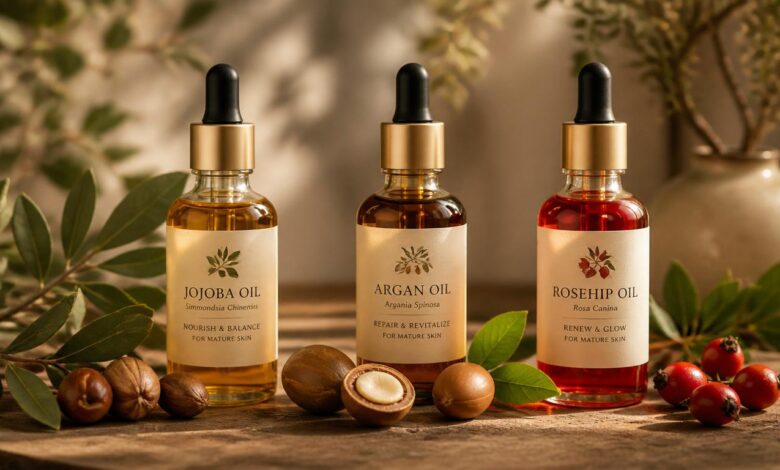
Rosehip oil is a timeless favorite in the skincare realm, and it boasts its popularity for a good reason. Packed with antioxidants—particularly vitamins A and C—this oil is bursting with essential fatty acids like linoleic and linolenic acid, making it a fantastic choice for dry or mature skin. Do you want to enhance your skin’s elasticity, soften those pesky lines, or even fade sun spots? Look no further; rosehip oil is your ally.
How to Use Rosehip Oil
To maximize its benefits, apply it correctly. After cleansing your face, gently pat it until it’s slightly damp. This helps the oil absorb better. Using 2-3 drops of rosehip oil, lightly press it into your skin. While nighttime is often recommended, feel free to incorporate it in the morning—but remember to follow up with SPF protection.
Tips for Enhancing Your Routine
Consider mixing a drop or two with your evening moisturizer for an extra boost. Alternatively, you can use it during a relaxing ritual with a gua sha tool or a facial roller to promote circulation while pampering yourself.
Caveats to Keep in Mind
Store rosehip oil in a cool, dark place to prevent it from oxidizing quickly. If you have acne-prone skin, a patch test is prudent. Remember, oils can work differently for everyone; some may find linoleic acid beneficial, while others may not. Patience is key; don’t expect instant results.
Discovering the Benefits of Jojoba Oil
Although technically a wax, jojoba oil feels like a light oil and closely resembles the natural sebum your skin produces. This makes jojoba oil an excellent choice for both dry and oily skin types. Its ability to stabilize your skin, especially during hormonal fluctuations, is just one of its many merits.
How to Apply Jojoba Oil
You can incorporate jojoba oil into your daily routine—morning or night. Simply warm 3-5 drops between your hands and press them into your skin. Its quick absorption makes it ideal under makeup as well.
Bonus Applications
Jojoba oil is also a fantastic first cleanse or makeup remover. Massage it into your dry skin before removing it with a warm, damp cloth for a refreshing cleanse. Additionally, if you struggle with a dry scalp, massaging jojoba oil into your scalp 30 minutes before shampooing can work wonders.
Important Considerations
While generally well-tolerated, patch testing is still essential for new oils. If you decide to add essential oils to the mix, restrict it to one drop per tablespoon of jojoba. A common issue people face is using too much; even a single drop can be surprisingly effective.
Unleashing the Power of Sea Buckthorn Oil
Sea buckthorn oil is akin to a potent shot of espresso for your skin, brimming with brightening and barrier-repairing properties. Packed with vitamins C and E, omega-7, and beta-carotene, it works wonders, especially when your skin feels dull or thin.
Application Techniques for Sea Buckthorn Oil
Given its potency, it’s best to start small. Add a drop or two into your favorite serum or moisturizer a few times each week. This approach often suffices to reap the benefits without overwhelming your skin.
Creative Uses
Why not whip up a quick glow mask? Mix sea buckthorn oil with a little clay and aloe vera gel, apply for about ten minutes, and then rinse off for a refreshing burst of vitality.
Precautions to Consider
While sea buckthorn oil is beneficial, it can stain. To prevent discoloration, mix it with a carrier oil like jojoba before application. And if you have sensitivities to seaberry or related fruits, this oil may not be advisable for you. Always conduct a patch test first.
Bonus Tips for Maximizing Mature Skin Oil Use
While oils can provide substantial benefits, your application technique plays an equally critical role. Here are details that can significantly enhance your experience:
1. Apply to Damp Skin
Oils are excellent for sealing in hydration but do not provide it on their own. Mist your face with a hydrating toner or facial mist before applying oil.
2. Layering Is Key
When layering products, follow the order of lightest to heaviest. Start with serums, followed by oils, and finish with a moisturizer. This ensures each product can effectively penetrate your skin and perform its designated function.
3. Exercise Patience
Real improvements in skin tone and texture take time. Don’t expect results within days; rather, allow weeks for your skin to adjust and respond.
4. Embrace the Power of Massage
Incorporating a gentle massage during your application not only feels luxurious but also aids in lymphatic drainage and boosts circulation.
5. Monitor Your Skin’s Response
Natural doesn’t always mean irritation-free. Keep an eye on your skin, especially when using multiple active ingredients together. If irritation occurs, reduce your usage or consult a dermatologist.
Final Notes and Safety Guidelines
Before diving headfirst into the world of oils, consider these crucial points:
- Always conduct a patch test before using new oils, regardless of whether they are natural.
- Be particularly cautious with rosehip oil, as it contains vitamin A, which can make your skin more sensitive to sunlight; always apply SPF afterward.
- Some oils can leave stains, so avoid heading to bed immediately after application.
Key Takeaway for Mature Skin Care
You don’t require an arsenal of products to see results. The right oil, genuinely applied, can lead to visible improvements. If you’re new to using oils, choose the one that aligns best with your skin’s needs and observe how your skin reacts over a couple of weeks.
Keep your routine simple and consistent. Above all, enjoy the process of nourishing your skin; it’s about the experience as much as it is about achieving results. Embrace this opportunity to care for yourself—it’s not simply a routine but a delightful ritual that enhances your well-being.