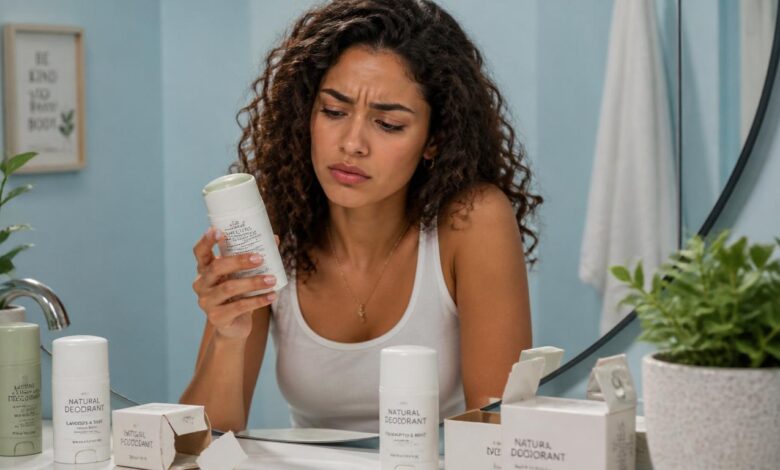
When you decide to switch to natural deodorant, you might feel like you’re facing a unique challenge. You’re not alone if you’ve found yourself struggling with body odor after making this change. It can be a puzzling experience—purchasing what you believe to be a clean, effective product, only to have it not meet your expectations. Your confidence might take a hit as you wonder if your sweat is particularly potent or if you’re somehow to blame for this unexpected issue. Well, let’s set the record straight: it’s not you. Natural deodorants can be effective, but they do operate differently than their conventional counterparts. If you’ve been left guessing about what to do when your natural deodorant isn’t performing well, this article is here to guide you. We’ll break down the possible reasons your deodorant may not be effective, offer solutions, and help you reclaim your sense of freshness, all while respecting your lifestyle choices. Let’s dive in and nurture your underarms.
Understanding the Ingredients
The first step to ensuring your natural deodorant works is to inspect its ingredients. Just because a product is labeled as “natural” doesn’t automatically mean it’s mild on your skin. Surprisingly, many popular natural deodorants can contain substances that could disrupt your skin’s balance.
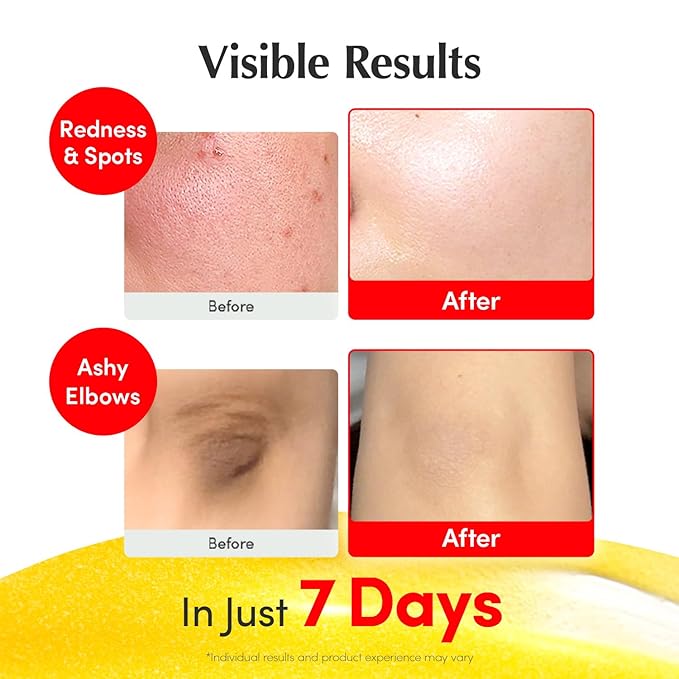
One ingredient to watch out for is baking soda. While it can effectively combat odor for many, it is also a leading cause of skin irritation for some users. Symptoms like redness, itching, or a bumpy texture under your arms could indicate that your deodorant is too harsh.
Essential oils are another area for caution. Even though they come from natural sources, these oils can be highly concentrated. Certain blends, especially those containing citrus oils, may irritate the skin with frequent use.
Instead, consider looking for natural deodorants crafted with the following ingredients:
- Magnesium hydroxide: This ingredient is known for fighting odor without disrupting your skin’s pH balance.
- Zinc oxide: This is great for sensitive skin and can help reduce inflammation.
- Arrowroot or tapioca powder: These ingredients absorb moisture gently without causing irritation.
- Plant-based butters and oils: Substances like shea butter, coconut oil, and jojoba oil soothe the skin and provide nourishment.
If your current product causes any stinging, burning, or strange sensations, it’s a clear sign it may not be the right fit for you, and a switch is in order.
Resetting with an Underarm Detox
Has your deodorant stopped working for you, or are you new to natural products? If so, it may be time for a skin reset. Over time, residue from products, dead skin cells, and an imbalance of bacteria can accumulate underneath your arms. Such buildup can clog your pores and disrupt the natural balance of your skin’s microbiome, ultimately worsening odor.
To clear out this buildup, consider trying a simple underarm detox. Here’s a straightforward method to do just that:
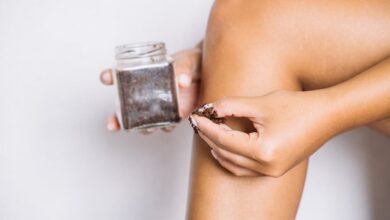
- Mix one tablespoon of bentonite clay with one teaspoon of apple cider vinegar.
- Add enough water to create a smooth paste.
- Apply a thin layer of this mixture to clean underarms.
- Allow it to sit for five to ten minutes before rinsing thoroughly.
- Repeat this process two to three times weekly for a week or two.
This detox can help cleanse the buildup and restore balance to your skin, making it more receptive to your next deodorant product. If you have sensitive skin, consider replacing the clay with a gentle charcoal soap or using a soft cloth with a bit of jojoba or sunflower oil for a soothing touch.
Allowing Time for Adjustment
Transitioning to natural deodorant may come with an adjustment period, especially if you’re switching from aluminum-based antiperspirants. Initially, you may experience increased sweating or odor, and that is completely normal. It doesn’t indicate that your natural deodorant is ineffective; rather, it’s a signal that your body is adapting.
During this transition, your sweat glands are becoming more active, and the composition of bacteria on your skin is also realigning. This adjustment period usually lasts between two to four weeks, although it can take longer if your skin is inflamed or if you’re frequently switching products.
To help ease the process, consider implementing these tips:
- Choose loose, breathable fabrics to promote airflow.
- Avoid synthetic fabrics that retain moisture.
- Take a shower before bed, especially after a hot day.
- Allow your skin to dry completely before applying deodorant.
- If you experience irritation, consider going without deodorant for a day or two.
Your body needs some space to recalibrate during this time, so give it the patience it deserves.
Supporting Your Skin’s Microbiome
One often overlooked aspect of deodorant use is the importance of your skin’s microbiome. Your underarms host a variety of bacteria, and when this balance is disrupted, you might notice increased odor or irritation. Instead of resorting to stronger deodorants that target bacteria, focus on nurturing the beneficial bacteria present.
Here are a few ways to support your skin’s microbiome and maintain a healthy balance:
- After showering, apply a gentle probiotic mist or cream to your underarms.
- Use diluted apple cider vinegar as a skin toner (mix one part vinegar to four parts water) applied with a cotton pad once daily.
- Give your underarms a break from products at night, allowing them to breathe.
- Post-shaving, apply aloe vera gel to help soothe and facilitate healing.
- If you’ve noticed a stronger smell than usual, consider using magnesium oil sprays.
The goal is not to wipe out all bacteria but to cultivate an environment on your skin that manages sweat and odors naturally with just a bit of assistance.
Practical Application of Natural Deodorant
A common misconception about natural deodorants is that they function just like antiperspirants. In reality, they do not block sweat but instead help to manage odor when sweating occurs. This understanding is crucial because it means you may need to reapply more often, especially during hot weather or moments of stress.
Reapplication is not a sign of failure; it’s simply part of the maintenance routine. Here’s how to effectively reapply without causing buildup or stickiness:
- Start by patting your underarms dry with a tissue or clean cloth.
- Apply a light layer of deodorant – less is often more.
- If your deodorant comes in a jar or balm, warm it slightly between your fingers before applying.
- Carry a travel-sized version for convenience during long days out.
- At night, wash your underarms gently with water or a soft cloth instead of soap every time.
Frequent reapplication—once or twice a day—is perfectly acceptable for natural deodorants, allowing your skin to be happier while staying fresh.
Crafting Your Own Deodorant
If you’ve tried numerous commercial options without finding one that feels right, consider making your own deodorant. This approach lets you control the ingredients entirely and often results in a gentle yet effective product that works for your body chemistry. Here’s a simple recipe you can try:
Ingredients:
- 2 tablespoons shea butter
- 2 tablespoons arrowroot powder
- 1 tablespoon magnesium hydroxide or zinc oxide
- 1 tablespoon coconut oil or jojoba oil
- 3 to 5 drops of your favorite essential oils (lavender, palmarosa, or sage can work well)
Instructions:
- Begin by gently melting the shea butter and coconut oil together.
- Stir in the arrowroot powder and magnesium (or zinc).
- Once the mixture has cooled, add the essential oils.
- Pour the mixture into a small jar and allow it to set.
This homemade blend is soothing and adaptable, enabling you to tweak the texture to your liking. If it’s too runny, add extra arrowroot; if it’s too stiff, incorporate a bit more oil. Fresh, homemade options can often outperform store-bought ones simply because they lack irritants and are formulated just for you.
Troubleshooting When Nothing Works
Sometimes, despite your best efforts—detoxing, adjusting your routine, and trying different natural deodorants—you may still find yourself struggling with body odor. At this stage, it’s essential to consider that the issue might extend beyond topical solutions.
Here are a few potential underlying factors to explore:
- Hormonal Changes: Fluctuations during perimenopause, menstrual cycles, or stress can influence body odor.
- Dietary Choices: Consuming foods rich in sulfur (like garlic and onions), as well as alcohol, sugar, and processed items, can impact how your body odor develops.
- Gut Health: An imbalanced digestive system or microbiome can manifest through your skin and sweat.
- Medication Side Effects: Certain medications, especially those for anxiety or blood pressure, can alter sweat production and its scent.
You don’t need to undertake an entire lifestyle overhaul to see improvements. Start with small, manageable changes. Cut back on processed foods, drink more water, incorporate more fruits and vegetables, and consider adding fermented items to your diet if you can.
And let’s remember: taking a break to use conventional deodorant periodically isn’t a setback; it’s a sign that you’re listening to your body’s needs.
Embracing the Journey
If you’ve read this far, it’s evident that you genuinely care about your health and personal care choices. Embracing natural deodorant is a significant step, and like any tool, it’s most effective when it aligns with your overall lifestyle and health needs.
When you encounter challenges, remember they may be your body’s way of communicating its needs. Approach your journey with curiosity and kindness; be willing to experiment and take breaks when necessary. Trust in your ability to find a solution that best suits you.
You are not navigating this alone, and there’s no need for panic or shame. Embrace each small step forward with confidence. If you found this information helpful, make sure to keep it for future reference as you continue on your journey. Your underarms deserve all the care and attention you give them.