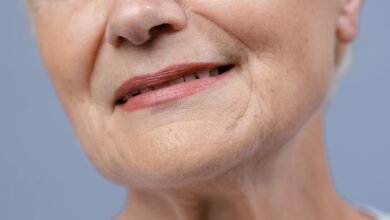
Have you ever looked in the mirror and felt like something was off with your skin? You know the feeling: that dull, greyish tint, dry patches catching the light in unflattering ways, and a tired look that lingers no matter how much rest you get. If this resonates, you’re not alone. Many of us experience dull, fatigued skin at some point. Sometimes, the best remedy isn’t another complex serum or a tedious skincare regimen. Instead, your skin may be craving something simple, effective, and nourishing. That’s where vitamin E comes in.
Vitamin E has long been celebrated in the world of skincare, and for good reason. It’s a reliable and easily accessible ingredient that can breathe new life into your complexion without the fuss. Let’s dive deeper into what vitamin E is and how it can transform your skin.
Understanding Vitamin E
Vitamin E is a powerful, fat-soluble antioxidant known for safeguarding your skin against damage caused by environmental stressors like pollution and UV rays. By neutralizing free radicals—those pesky molecules that contribute to aging—vitamin E helps maintain your skin’s overall health and protects it from irritation.
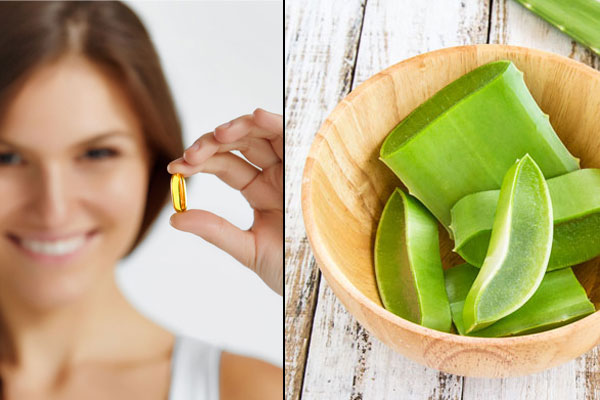
When you apply vitamin E, its thick oil structure penetrates the outer layer of your skin, filling in micro-cracks while creating a protective barrier that locks in moisture. This can make a significant difference in the appearance of dry, tired-looking skin, bringing back vitality and a smoother texture.
In this guide, we’ll explore:
- What exactly vitamin E is
- Why it’s a staple in natural skincare
- How to incorporate it into your routine effectively
- The results you can look forward to
- Simple tips to get started today
What is Vitamin E?
In the simplest terms, vitamin E is an antioxidant, which means it protects your skin from oxidative stress caused by daily environmental factors. This includes sunlight, pollution, and even stress itself. Its fat-solubility allows it to blend effortlessly with oils and penetrate your skin deeply, offering hydration and protection.
There are two primary forms of vitamin E:
-
Tocopherol: The natural form found in plants such as sunflower and wheat germ oils; this is the preferred choice for those seeking natural skincare products.
-
Tocopheryl Acetate: A synthetic, more stable variant that needs to be converted by your skin before it can be effective. While it works well, many prefer tocopherol for its natural integrity.
Both formulations have their merits, supporting skin health and offering beneficial results, but the effectiveness often depends on how they are used and what they are combined with.
The Benefits of Vitamin E in Skincare
Vitamin E stands out in natural skincare because of its proven efficacy. Here’s why it deserves a spot in your skincare routine:
1. Skin Protection
Every day, your skin faces various stresses. Vitamin E helps combat this by neutralizing free radicals, minimizing damage, and decreasing signs of aging.
2. Supports Skin Barrier
Your skin acts as a natural barrier, keeping moisture in and irritants out. Vitamin E strengthens this barrier, making your skin feel softer, more resilient, and less prone to dryness.
3. Naturally Soothing
If you often deal with skin irritation or redness, vitamin E can help calm your skin. Its gentle nature makes it suitable even for sensitive skin types.
4. Brightens Dull Skin
Consistent use of vitamin E can help even out your skin tone over time, providing a brighter, more rested appearance without harsh treatments.
5. Complementary Ingredient
Vitamin E works beautifully alongside other natural ingredients like rosehip oil for regeneration and aloe vera for hydration. Together, they can amplify each other’s benefits and create even more effective skincare products.
Who Should Use Vitamin E?
Vitamin E is typically beneficial for various skin types, especially if you experience:
- Dry, flaky, or tight skin after cleansing
- Signs of dullness or uneven skin tone
- Sensitivity to harsh products
- The effects of stress or environmental factors on your skin
If you struggle with oily or acne-prone skin, it’s wise to approach vitamin E with care. While it offers great benefits, its rich oil nature may feel heavy. In such cases, consider using vitamin E-infused products rather than applying the oil directly.
How to Use Vitamin E for Face Care
To reap the full benefits of vitamin E, it’s crucial to know how to use it correctly. Here are three reliable methods:
1. Mix with Your Moisturizer
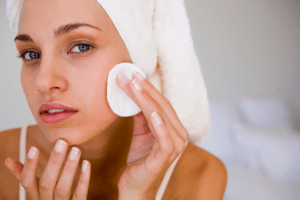
This is one of the simplest and most effective ways to incorporate vitamin E into your routine. Add a couple of drops of vitamin E oil to your regular moisturizer. Mix it in your palm before applying it on slightly damp skin, enhancing absorption.
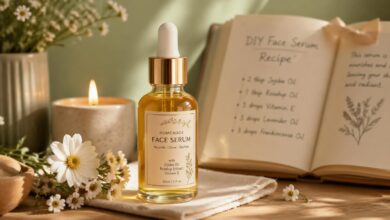
2. Create a DIY Facial Oil
If you’re into DIY skincare, try blending your own vitamin E oil for a gentle facial treatment:
- 10ml of cold-pressed rosehip oil or sunflower oil
- 2 drops of vitamin E oil
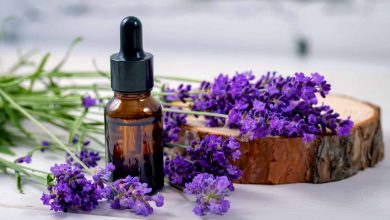
- Optional: 1 drop of calming lavender or chamomile essential oil
Mix it gently in a dark glass bottle and apply 2-3 drops at night, right after cleansing.
3. Choose Products with Vitamin E
If you prefer products that already contain vitamin E, look for nourishing facial oils, creamy moisturizers, or night serums. Remember that it doesn’t have to be at the top of the ingredients list for it to be effective.
Tips for Getting the Most Out of Vitamin E
To maximize the results when using vitamin E, keep these tips in mind:
1. Apply to Damp Skin
Always apply vitamin E on slightly damp skin. This helps with absorption and reduces heaviness.
2. Use Less than You Think
A little goes a long way with vitamin E. If your skin feels greasy or clogged, you’ve likely used too much.
3. Pair with a Light Hydrator
Consider layering vitamin E over a hydrating serum, like aloe vera gel or a light hyaluronic acid gel, to seal in moisture.
4. Avoid Active Breakouts
If you have inflamed breakouts, avoid applying pure vitamin E directly to those areas. It may be too rich and could worsen the situation.
5. Simplify Your Routine
You don’t need to layer numerous products. Allow vitamin E to work without competing with other products. One or two well-chosen items will suffice.
Common Mistakes to Avoid
While vitamin E is generally gentle, here are common pitfalls to steer clear of:
- Overusing it: Stick to a couple of drops, as too much can lead to greasiness.
- Applying to dry skin: Ensure your skin is damp for the best absorption.
- Using it on active breakouts: This can exacerbate existing irritation.
- Overmixing: Vitamin E works well with many ingredients, but simpler blends often yield better results.
- Expecting quick results: This is not a miracle worker. Consistency is key to seeing improvements.
Best Natural Companions for Vitamin E
Vitamin E is versatile and plays well with other ingredients. Here are a few natural partners:
1. Aloe Vera
Aloe vera is fantastic for hydration. Use it under your vitamin E application if your skin feels hot or dry.
2. Rosehip Oil
This oil complements vitamin E by offering natural vitamin A, which supports cell turnover and helps fade discolorations.
3. Jojoba Oil
Jojoba oil mimics your skin’s natural oils, making it an excellent option for diluting vitamin E while achieving a smooth finish.
Final Insights
Vitamin E isn’t a fleeting trend or a product that promises miraculous results. Instead, it’s a reliable choice that offers nourishing support to your skin. As an ingredient, it works subtly but effectively—softening rough patches, enhancing your skin’s barrier, and gradually restoring radiance over time.
If your skincare routine has become overwhelming or if you’re not getting the results you hoped for, consider introducing vitamin E into your regimen. It’s a straightforward, gentle, and proven remedy that may be just what your skin needs.
FAQs
Can I use vitamin E daily on my face?
Yes! If your skin has no adverse reactions, you can use it daily. Start with a few times a week, then adjust as needed.
Is vitamin E safe around my eyes?
In small amounts, yes. However, it’s safe to use products formulated for the eye area rather than pure oil to avoid irritation.
Can I mix vitamin E with my vitamin C serum?
Absolutely! Vitamin E works synergistically with vitamin C, enhancing its antioxidant effects. Just ensure your skin can tolerate both.
What if I have a nut allergy?
Since some vitamin E sources come from nuts, always check the ingredient source. Opt for products labeled nut-free if you’re allergic.
By maintaining an open mind and a simple approach to skincare with vitamin E, you might be surprised at how much healthier and vibrant your skin can become!