How to Get Rid of Acne
Acne isn’t just a teenage problem. According to dermatologists, one in three adults deals with breakouts at some point in their life. They show up at the worst possible moments — before an important meeting, on a date, on the day of a photoshoot. And while you can live with breakouts on your back, hidden under clothing, acne on your face is a different story entirely.
Why Does Acne Happen?
It all starts with a pore. When sebum and dead skin cells clog a pore channel, inflammation follows. The main culprit is hormonal fluctuation — testosterone in particular (yes, women have it too, just in smaller amounts).
That’s why acne tends to flare during the teenage years. But not only then. Women often notice breakouts at certain points in their cycle, during pregnancy, or around menopause. Hormones essentially tell your skin when to rebel.
Beyond hormones, certain medications can trigger breakouts — corticosteroids and anticonvulsants among them. Genetics also play a significant role: if your parents had problem skin, your chances of dealing with acne are considerably higher.
Diet and Acne: Is There a Connection?
For a long time, chocolate and greasy food were blamed for causing pimples. Modern dermatology takes a more nuanced view.
Some studies point to a link between dairy consumption and acne — likely due to the hormones found in milk. However, more recent research hasn’t confirmed this connection conclusively.
More compelling is the evidence around high-glycemic diets. White bread, pastries, sugary drinks — these may all worsen skin inflammation. If you want to test it yourself, try cutting out fast carbs for a month and see how your skin responds.
Types of Acne: What’s Actually on Your Face?
Before choosing a treatment, it helps to understand what type of acne you’re dealing with:
- Closed comedones (whiteheads) and open comedones (blackheads) — the mildest form
- Papules and pustules — red, inflamed pimples, sometimes with pus
- Nodules — deep, painful lumps beneath the skin
- Cystic acne — the most severe form, which always warrants a visit to a dermatologist
Over-the-Counter Treatments
For mild to moderate acne, there are plenty of effective options available without a prescription.
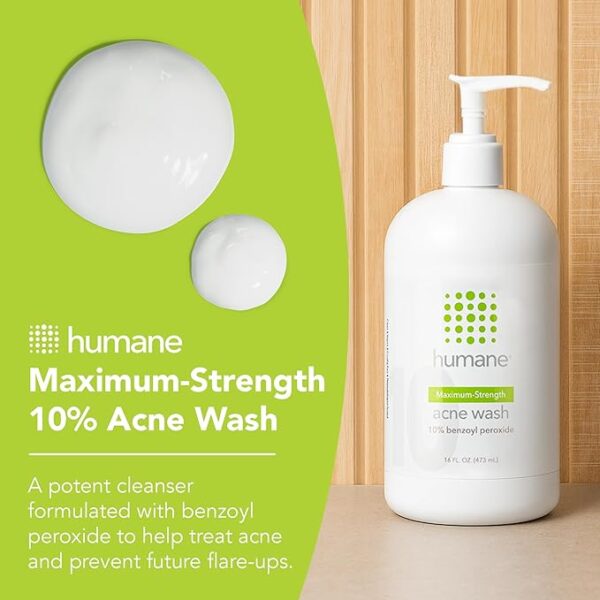
Benzoyl peroxide is arguably the most well-studied and reliable ingredient in acne care. It destroys the bacteria that cause inflammation. Results don’t appear for at least four weeks, and it needs to be used consistently — stop, and the pimples come back. It comes in gels, creams, lotions, and foams. On the downside, it can dry out the skin and bleach fabric. Benzoyl Peroxide Gel
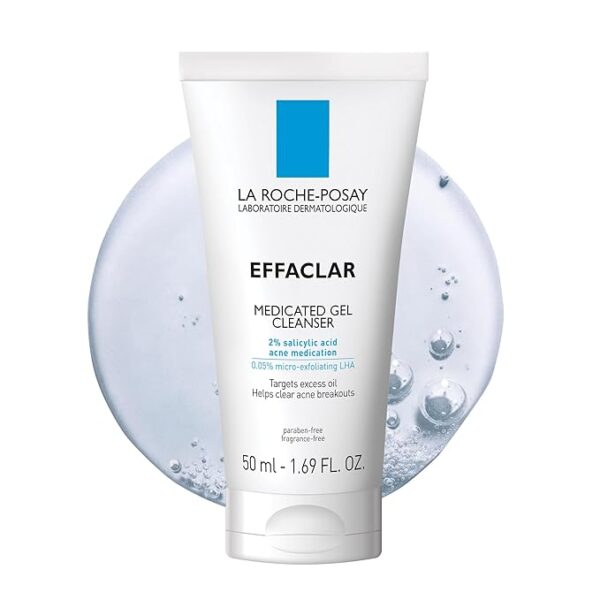
Salicylic acid helps normalize skin cell shedding and gently unclogs pores. It doesn’t affect bacteria or sebum production, so it works best alongside other ingredients. Like benzoyl peroxide, it requires consistent use. Salicylic Acid Cleanser
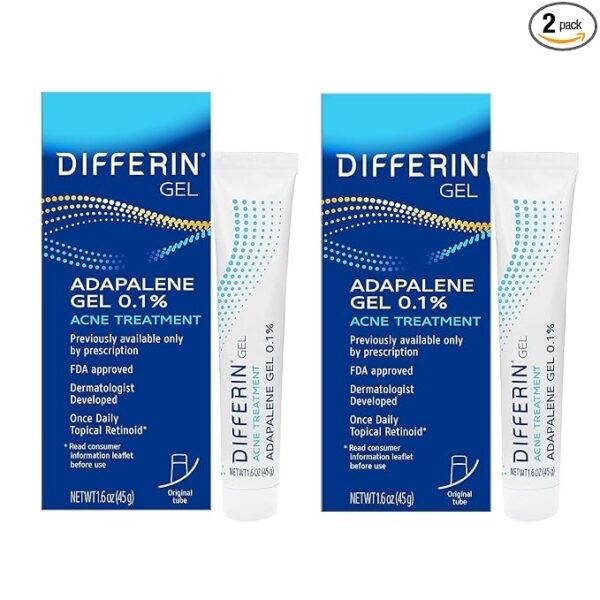
Retinol gels and creams speed up skin cell turnover, preventing pores from getting blocked. In the first few weeks, acne may look worse — that’s normal: retinol brings to the surface what was already forming deep in the skin. Budget 8–12 weeks before judging results. Retinol Gel
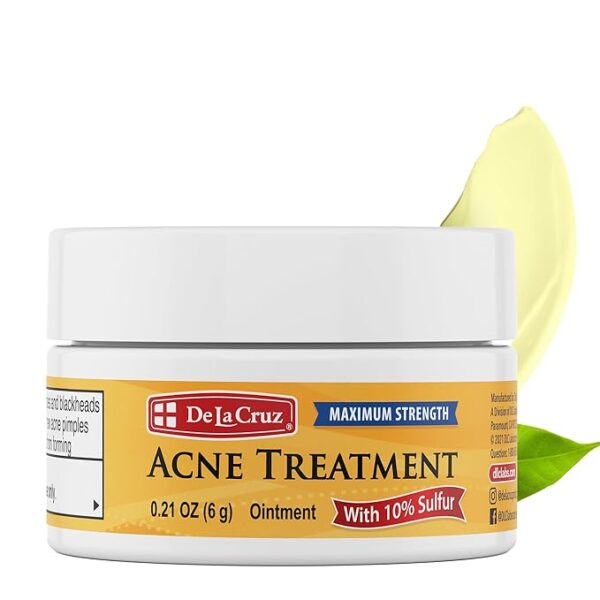
Sulfur, used in combination products, helps slow bacterial growth and prevents pore blockages. It’s rarely used on its own due to its distinctive smell, but paired with other ingredients it can be quite effective. Sulfur Acne Mask
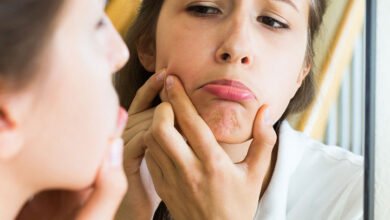
⚠️ Important: Don’t squeeze pimples yourself. That’s a reliable path to scarring and deeper inflammation. If a pustule is ready to burst, apply a warm compress — and let your skin handle the rest.
Prescription Treatments
If over-the-counter options haven’t produced results after 2–3 months, it’s time to see a dermatologist.
Topical antibiotics — clindamycin and erythromycin — are applied directly to the skin, reducing inflammation and suppressing bacteria. They’re always best combined with benzoyl peroxide or a retinoid to reduce the risk of antibiotic resistance developing in skin bacteria.
Oral antibiotics — doxycycline, minocycline, and tetracycline — are prescribed for more severe forms of acne. They work deeper, reaching the sebaceous glands through the bloodstream. A course typically runs several months. Most oral antibiotics are contraindicated during pregnancy.
Topical retinoids (prescription-strength) tackle moderate to severe acne by influencing skin cell growth and renewal. They can cause dryness, redness, and flaking — especially in the first few weeks.
Isotretinoin (Accutane and its equivalents) is the heavy-duty option for cystic acne that hasn’t responded to other treatments. It’s the only drug that targets all the underlying mechanisms of acne at once. Around 85% of patients achieve lasting remission. That said, the side effect profile is serious: an absolute ban during pregnancy, possible mood changes, and severe dryness of skin and mucous membranes. It’s used only under close medical supervision.
Spironolactone is an oral medication that blocks the effect of androgens on the sebaceous glands. It’s particularly effective for women whose acne flares before menstruation.
Oral contraceptives help women with hormonally driven acne by reducing testosterone’s influence on the skin. The full effect typically becomes visible after 3–4 months.
Clascoterone (Winlevi) is a relatively new topical treatment that blocks hormonal receptors in the skin. It’s suitable for both women and men aged 12 and older.
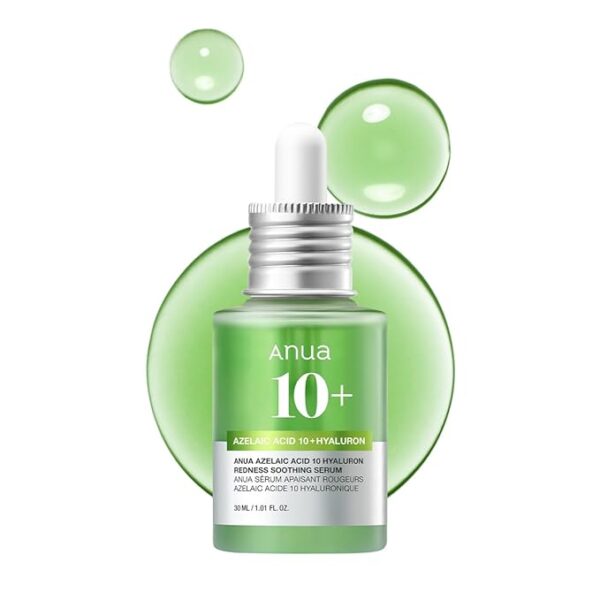
Azelaic acid in gel or cream form offers both antibacterial and anti-inflammatory action. It’s more commonly prescribed for rosacea, but also helps with mild acne. Azelaic Acid Gel
Treating Acne Scars
The breakouts have cleared, but the marks remain? Dermatology offers several solutions:
- Microneedling stimulates collagen production and smooths skin texture
- Chemical peels with glycolic acid or salicylic acid renew the surface layer of skin
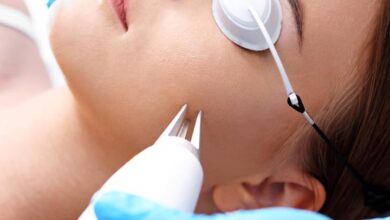
- Laser resurfacing and dermabrasion remove damaged skin to reveal healthier tissue beneath
- Filler injections raise depressed scars to the level of the surrounding skin
Simple Skincare Rules
Whatever treatment path you choose, certain basics always apply.
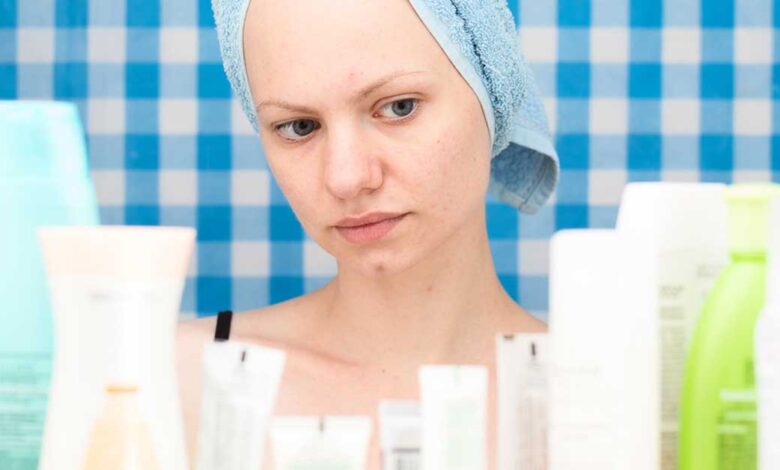
Wash your face twice a day with a gentle cleanser — not soap. Don’t scrub with harsh exfoliants. Use water-based cosmetics, not oil-based. Keep your hands away from your face, and keep your phone away from your skin too. Many acne treatments — benzoyl peroxide, salicylic acid, retinoids — increase sun sensitivity, so SPF protection is non-negotiable.
Will Acne Go Away on Its Own?
For most people, acne settles down by the end of adolescence. But for some it continues well into adult life — and for others it appears for the first time after 25. The good news: virtually all acne can be treated. The key is finding the right approach for your skin and having the patience to stick with it. Results rarely come quickly, but with the right routine, they tend to last.
If acne is affecting your self-esteem, leaving scars, or hasn’t responded to over-the-counter treatments after several months — don’t put off seeing a dermatologist.