Debunking Common Skincare Myths: What You Really Need to Know
Let me tell you something—after years spent crafting organic skincare remedies, I can’t stand by and watch people buy into persistent skincare myths. These aren’t just innocent misunderstandings; they’re actively harming our skin, draining our wallets, and filling us with unnecessary worry about what should be a straightforward process. So grab a soothing drink and let’s dive into the skincare misconceptions that really need to go.
Myth 1: The Skincare Industry Prioritizes Your Skin Health
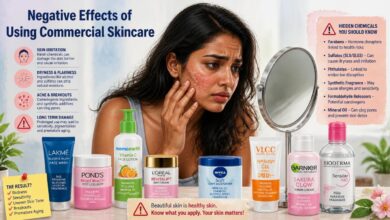
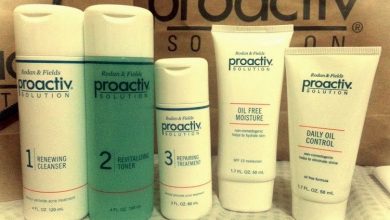
First up, let’s address the elephant in the room: the skincare industry’s true motives. Contrary to popular belief, they aren’t as invested in your skin health as they are in keeping you constantly purchasing. They thrive on trends and often push you toward the next “miracle” product. The truth is, miraculous transformations don’t exist.
Understanding the Marketing Machine
Consider this: many products flaunt trendy ingredients in such minuscule amounts that you’d need to buy a dozen just to see any real effect. You might see the words “with hyaluronic acid” on a product, but if it contains only 0.01%, how can you expect to gain the benefit when you actually need at least 1%? They create faux problems that leave you feeling inadequate if you don’t purchase their latest offerings. This cycle is not only misleading but also dangerous.
The Clean Beauty Deception
And then there’s the so-called “clean beauty” movement—what a marketing ploy that is! Clean labels often boast a list of unnecessary ingredients while charging exorbitantly. All the while, fundamental formulations from years past remain just as effective.
Ingredients That Truly Work
Now, let’s talk about the real hero ingredients backed by research:
-
Zinc Oxide: A mineral barrier that protects against both UVA and UVB rays. It’s gentle, reef-safe, and still the gold standard for sun protection.
-
Bakuchiol: A plant-based alternative to retinol, effective in minimizing fine lines and boosting skin elasticity without the irritation.
-
Aloe Vera: Renowned for its calming characteristics, backed by studies showing its role in skin healing.
-
Green Tea Extract (EGCG): A potent antioxidant known for its ability to reduce UV damage and redness.
-
Rosehip Seed Oil: Rich in essential fatty acids, vitamin C, and vitamin A, this oil supports skin health and brightens your complexion.
These ingredients might not generate the “wow” factor on social media, but they deliver real results. In fact, a good natural SPF is likely your most effective “anti-aging” product.
Spotting Manipulation in the Market
When you navigate the skincare aisles, keep an eye out for these red flags:
-
New products launched monthly that promise “revolutionary” results.
-
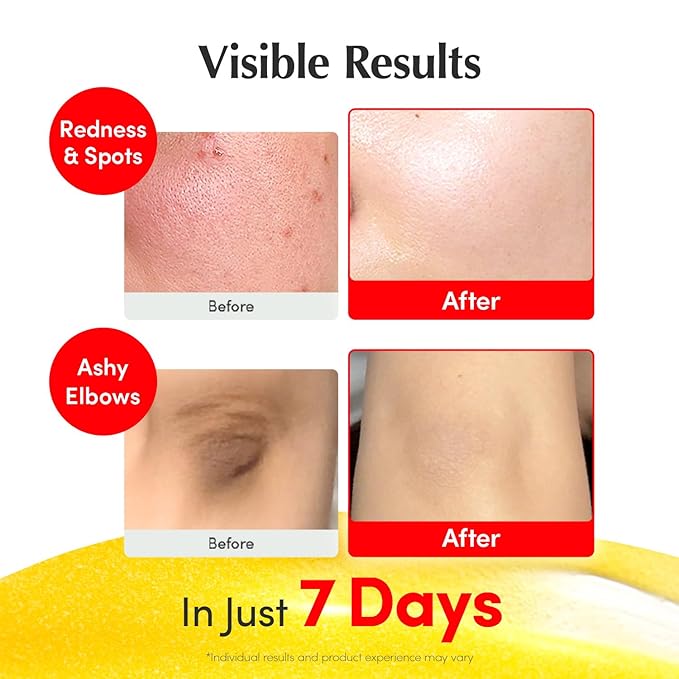
Before-and-after photos that seem too edited to be true.
-
Celebrity endorsements that lack expertise in skincare.
-
Claims promising to solve all your skin challenges overnight.
-
Pressure tactics with limited-time offers that urge you to buy now.
Remember: a brand that genuinely cares about your skin will prioritize education, realistic expectations, and proven ingredients over creating a sense of inadequacy to drive sales.
This post contains affiliate links. If you make a purchase through my links, I may receive a small commission at no additional cost to you. I only recommend products I truly believe in.
Myth 2: Anti-Aging Equals Total Wrinkle Erasure
“Anti-aging” is a term I passionately disagree with, as it implies that aging is something to be ashamed of or fought against. This leads to unrealistic expectations about the capabilities of skincare products. Let’s be real: no cream can completely erase wrinkles, including those pricey ones.
The Cycle of Expensive Disappointment
People invest in these miracle serums only to be disheartened after two weeks when they still look the same. It’s crucial to understand that skincare can support your skin’s well-being, slowing damage and enhancing your natural appearance—but it won’t reverse the clock.
What Skincare Can and Cannot Do
What skincare can achieve:
-
Prevention: A good SPF blocks further UV damage (this is your real anti-aging secret).
-
Protection: Antioxidants shield your skin from harmful environmental factors.
-
Moisture: Hydration helps prevent those pesky fine lines.
-
Gentle Exfoliation: Supports natural exfoliation processes.
What skincare can’t do:
-
Erase deep-set wrinkles (for that, you might need surgical interventions).
-
Change genetic factors.
-
Transform mature skin to look like it did decades ago.
-
Serve as a replacement for professional treatments.
Healthy skin generally belongs to those who started sun protection early, found a routine they could stick to, maintained realistic expectations, and focused on skin health over perfection.
The Critical Prevention Conversation
Your anti-aging routine starts and ends with sunscreen—every single day. This is critical not just to avoid wrinkles prematurely, but because protecting your skin now is far more effective than attempting to correct damage later.
Look for a mineral sunscreen containing zinc oxide or titanium dioxide; they sit atop your skin, reflecting UV rays— and they’re typically gentle even for sensitive skin! It’s never too late to start prioritizing your skin’s health, and your efforts will pay off in the long run.
Myth 3: If It Burns or Tingling, It’s Effective
Nothing gets under my skin (pun intended) quite like this one. That tingling or burning sensation? It’s not a good sign; it screams that your skin needs help. We’ve been conditioned to think that skincare needs to be uncomfortable to be effective—much like believing the best massage involves severe pressure, which could not be further from the truth.
The Dangers of TikTok Trends
Social media has taken this myth and run with it, showcasing cringeworthy “hacks” such as:
-
Undiluted lemon juice as a brightening agent (let’s not walk down the road of chemical burns).
-
Undiluted apple cider vinegar used as toner (wrong pH level).
-
Baking soda scrubs that wreak havoc on your skin barrier.
-
DIY vitamin C using citric acid (no, thank you).
-
Essential oils applied straight to the skin (please, let’s not).
People boast about their painful red skin as a sign of success, but they’re doing significant damage instead.
What Healthy Skincare Feels Like
Good skincare should feel:
-
Soothing or neutral during application.
-
Comfortable shortly after the application is complete.
-
Gradually more effective in the weeks to come.
Pain and irritation are definitely not the goal. Healthy skin should be calm, balanced, and resilient—not raw or distressed.
The pH Principle You Need to Know
Burning sensations often arise from using products with improper pH levels. Your skin typically prefers a slightly acidic environment (around pH 5.5). When you apply highly alkaline substances like baking soda, you’re essentially setting yourself up for a burn.
When Mild Tingling is Acceptable
Some mild tingling is normal in certain situations:
-
When first introducing retinoids (but it should subside after a few weeks).
-
Specific vitamin C serums (again, it shouldn’t sting or burn).
-
Professional chemical peels (but only when administered by experts).
Nonetheless, it should always be mild and temporary. Focus instead on nurturing your skin with gentle, pH-balanced products and ensuring that any irritation warrants immediate attention.
Myth 4: Higher Price Means Higher Efficacy
Now we come to the age-old belief that more expensive skincare automatically means more effective products. This misconception can be frustrating. The reality is that sometimes you’re just paying for fancy packaging and clever marketing.
The Hyaluronic Acid Truth
Hyaluronic acid is one of the most efficient hydrating agents around, capable of holding 1,000 times its weight in water. You could easily find a reliable hyaluronic acid serum for around $15, while a luxury-labelled version might cost $150. Remember, the molecular structure of hyaluronic acid doesn’t care about the price tag.
What You’re Really Paying For
In many luxury products, you’re essentially financing:
-
Upscale packaging (those heavy glass jars don’t come cheap).
-
Deceptive marketing strategies.
-
Markups that you wouldn’t see in drugstores.
-
Fragrance and sensory experiences (which often do nothing for effectiveness).
How to Spot Misleading Marketing
Look out for these red flags when shopping:
-
Claims that seem too good to be true—don’t fall for it!
-
Ingredients lists filled with water and thickeners lacking effective components.
-
Ambiguous “proprietary complexes” that keep you guessing.
-
Over-the-top anti-aging claims that sound more medical than cosmetic.
In contrast, keep an eye out for green flags:
-
Transparent ingredient lists backed by research.
-
Realistic claims regarding product effectiveness.
-
Good concentrations of active ingredients focused on skin health.
Spend Smart, Not Just Big
Learn to read ingredient lists carefully. The first five ingredients are usually what the product is about. If they mostly consist of water, thickeners, and other fillers, don’t waste your money, no matter howpretty the packaging looks.
Myth 5: Your Skin Type is Permanent
Think you were born with a specific skin type that will never change? Wrong! Your skin is a living organ that evolves with age, hormones, seasons, diet, and other factors. Your oily skin from your twenties may turn into dry skin in your forties.
Letting Go of the Loyalty Trap
I meet people who cling fiercely to products they’ve used for decades, convinced they need to stick with their “oil-free” regimen because they were once oily. The grim reality is that their skin might now be dehydrated, crying out for moisture.
What Influences Changes in Skin Type
-
Age: As you grow older, oil production usually decreases, potentially altering how your skin behaves.
-
Hormonal changes: Life events like periods, pregnancy, menopause can disrupt your skin’s needs significantly.
-
Seasonal differences: Many find their skin behaves differently with changing weather.
-
Stress levels: High stress may lead to sensitivity, breakouts, or dullness—regardless of your past skin type.
Recognizing When to Reassess
It’s time to evaluate your routine if you notice:
-
Products that once worked now cause irritation.
-
Your skin feels different with seasonal changes.
-
Major life events are affecting your skin.
-
Hormonal shifts like birth control alterations or pregnancy occur.
Advantages of a Flexible Approach
Instead of locking yourself into a rigid skin type, think about your skin’s current needs. Right now, your skin may demand:
- Extra hydration,
- Gentle exfoliation,
- Barrier support,
- Relief from sensitivity.
These needs fluctuate throughout the year and are perfectly normal.
The Secret to Great Skin: Simplicity and Consistency
After all this information, let me share the real secret to achieving healthy skin: consistency over perfection. A straightforward routine, followed daily, will outperform an intricate one you abandon after a week.
Focus on Gentle Care
Your skin inherently responds better to kindness rather than aggression. Prioritize protection over correction—daily sunscreen use and antioxidants will benefit your skin far more than a pricey cream.
The Importance of Patience and Realism
Remember, significant changes in your skin may take months to appear, not days. Healthy skin is not defined by unrealistic expectations but by its overall well-being.
Your Action Plan for Skincare Success
Start by auditing your current skincare routine. Are your practices sensible, or have you simply been swayed by trends?
Key Steps to Consider
-
Challenge conventional wisdom. Just because others are doing it doesn’t mean it’s right for you.
-
Patch test any new ingredients—even natural ones.
-
Focus on the essentials: cleansing, moisturizing, and sun protection before experimenting with fancy treatments.
-
Always listen to your skin. If something consistently irritates it, stop using it, irrespective of how well-reviewed it may be.
What’s Next for You?
Remember, your skin doesn’t crave perfection; instead, it thrives on consistency, gentleness, and realistic expectations. Effective skincare isn’t about enduring discomfort. It’s about comfort and protection. Most importantly, your skin should reflect your unique self, not someone else’s standards.
The beauty industry will undoubtedly continue its efforts to convince us that skincare is a complicated arena requiring constant vigilance and large investments. But here’s a reassuring truth—it doesn’t have to be!
The key to great skin lies in establishing good habits, utilizing gentle ingredients, and maintaining realistic expectations. Everything else? Just noise. Trust your skin and the process, and wherever possible, filter out the misinformation from social media!
With this knowledge, you’re well-equipped to navigate the skincare landscape with confidence. Now go out there and embrace your skin’s natural beauty!