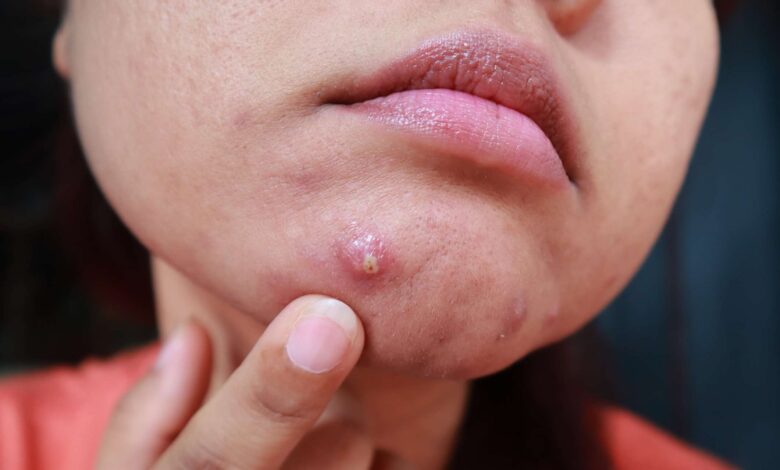
Cystic acne is not your average breakout. While most people are familiar with the occasional pimple, cystic acne is an entirely different beast — deeper, more painful, and far more stubborn. The good news is that you don’t always have to reach for harsh medications. Natural approaches can make a real difference, especially when used alongside proper medical care.
What Exactly Is Cystic Acne?
You probably know what acne looks like. It’s one of the most common skin conditions in the world, affecting around 80% of teenagers — and no, adults aren’t off the hook either. About 20% of adults seek treatment for acne at some point in their lives.
But cystic acne is something else entirely. It’s the most severe form of acne, and it goes far deeper than the surface of your skin. Men tend to be more affected than women. Unlike typical pimples, cystic acne can permanently scar the skin if left untreated — which is why catching it early matters so much.
How Is It Different From a Regular Pimple?
Here’s the short answer: a regular pimple stays close to the surface. A cyst goes deep.
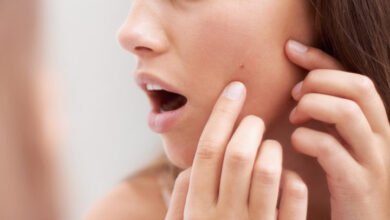
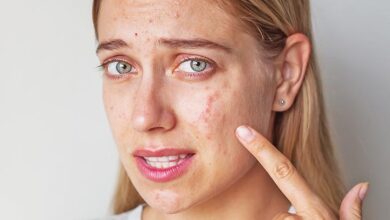
Cystic acne forms painful, firm lumps beneath the skin that don’t have a visible whitehead or blackhead on top. They tend to cluster on the lower face — the chin, jaw, cheeks, and neck. They’re often red, swollen, and tender to the touch, and they can linger for weeks.
If you’re unsure whether you’re dealing with a cyst or a pimple, here’s a useful rule: if it hurts without touching, sits deep under the skin, and shows no sign of coming to a head — it’s likely cystic. A dermatologist can confirm this and help you avoid the permanent scarring that comes from mishandling these lesions.
What Causes It?
Cystic acne typically has a hormonal or genetic origin. It starts when the pilosebaceous follicle — the tiny canal that contains a hair and its oil gland — becomes disrupted. The result is overproduction of sebum, bacterial proliferation, and deep inflammation.
Stress also plays a bigger role than many people realize. It triggers the release of cortisol, a hormone that ramps up oil production and worsens inflammation — essentially creating perfect conditions for a breakout.
What Treatments Do Doctors Typically Prescribe?
For severe cases, dermatologists usually turn to a few key options.
Antibiotics based on tetracycline or erythromycin are commonly prescribed to bring bacterial inflammation under control. They work well, but they’re not a long-term solution — bacteria can develop resistance over time.
Oral isotretinoin (known by brand names like Accutane, Absorica, and Claravis) is the most powerful conventional treatment available. Derived from vitamin A, it directly targets the sebaceous glands and dramatically reduces sebum production. Around 85% of patients see lasting results. However, its side effects are serious: it’s strictly off-limits during pregnancy due to the risk of fetal malformation, and it can cause skin dryness, eye irritation, and in some cases mood changes including depression. It should only ever be used under close medical supervision.
Topical retinoids and benzoyl peroxide are used for milder presentations or as supportive treatments alongside stronger medications.
Natural Approaches: Gentler Options Worth Knowing
Given the side effect profile of conventional treatments, it makes sense to explore natural alternatives — either on their own for mild cases, or alongside medical care for more severe ones.
Diet is a powerful lever. Foods with a high glycemic index — white bread, sugary drinks, pastries — can worsen inflammation and make breakouts more frequent. Dairy products are another potential trigger for some people, possibly due to the hormones they contain. Cutting back on these and loading up on antioxidant-rich foods like pomegranate, berries, and leafy greens can help calm skin from the inside out.
Zinc deserves special mention. It’s one of the most well-researched natural compounds for acne, and for good reason — zinc helps regulate the sebaceous glands, supports wound healing, and fights the bacteria responsible for inflammation. Since your body can’t produce zinc on its own, you need to get it through food or supplements. Good dietary sources include pumpkin seeds, legumes, and lean meats. Zinc Supplements for Acne
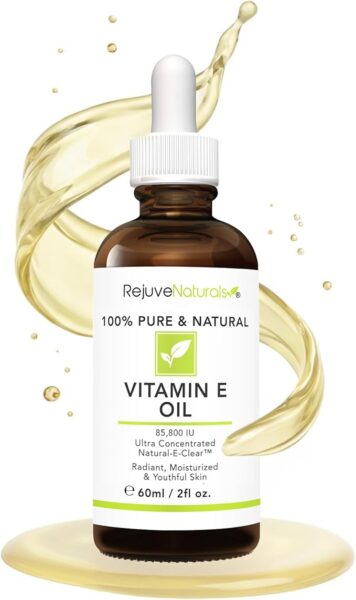
Vitamins B2, C, and E strengthen microcirculation in the skin and help flush out impurities. Think of them as quiet, background support for everything else you’re doing. Vitamin C Serum – Vitamin E Oil
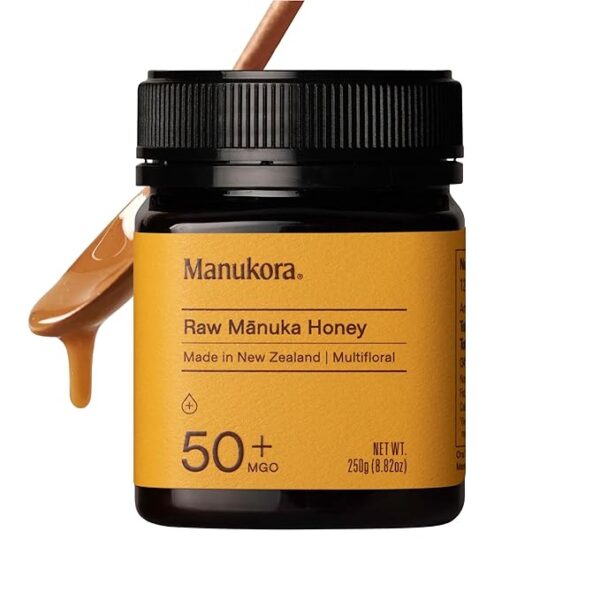
Honey has long been recognized for its skin benefits — it regenerates, hydrates, and provides natural antibacterial protection. Applying raw honey as a spot treatment or mask is a low-risk option worth trying. Raw Manuka Honey
Plant-based oils, particularly those with purifying and anti-inflammatory properties, can help balance the skin’s microbiome without the harsh side effects of chemical treatments. Carapa procera oil, used in some natural acne formulas, is one example with both exfoliating and cleansing action.
Practical Tips to Manage Cystic Acne Day-to-Day
Don’t touch, squeeze, or pop your cysts. This one cannot be stressed enough. Every time you manipulate a cyst, you raise the risk of infection, deeper inflammation, and permanent scarring. It’s tempting — but it almost always makes things worse.
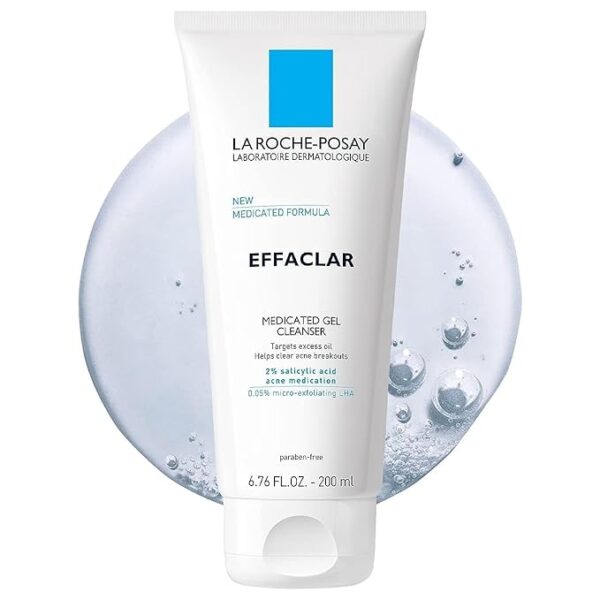
Cleanse twice a day, but gently. Morning and evening cleansing removes excess sebum, makeup residue, and environmental pollutants. Use a mild, non-comedogenic cleanser — not soap, which can disrupt your skin barrier. Gentle Acne Cleanser
Maintain a healthy lifestyle. Limit alcohol and tobacco, which are known aggravating factors for acne. Regular physical activity improves circulation and helps regulate hormones — both of which benefit your skin. And if stress is a trigger for you, practices like yoga, meditation, or simply getting enough sleep can meaningfully reduce the frequency and severity of breakouts.
How Long Does Cystic Acne Last?
Without treatment, cystic acne can persist for years, fluctuating with hormones, stress levels, and diet. With the right care — whether conventional, natural, or a combination of both — many people begin to see improvement within a few months.
The key word is patience. Skin doesn’t transform overnight, and any approach worth taking requires consistency. Stick with your routine, protect your skin from unnecessary irritation, and work with a dermatologist if things aren’t improving.
Can the Scars Be Treated?
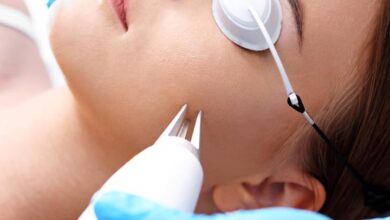
Yes — though it’s always better to prevent them in the first place. For existing acne scars, dermatologists may recommend microneedling, chemical peels with glycolic or salicylic acid, laser resurfacing, or filler injections to restore an even skin surface. These are effective options, but they work best when the active acne has already been brought under control.
Frequently Asked Questions
Can cystic acne leave permanent scars? Yes, it can — particularly if cysts are picked at or left untreated. The deep inflammation damages the lower layers of the skin, leading to atrophic or hypertrophic scarring. Early, appropriate treatment is the best way to prevent this.
What foods should I avoid? Dairy products, high-glycemic foods (white bread, sweets, sodas), and foods high in saturated fat are the most commonly cited dietary triggers. A diet rich in antioxidants and omega-3 fatty acids tends to have the opposite effect — calming inflammation and supporting clearer skin.
Does stress really make it worse? It does. Stress drives cortisol production, which in turn increases oil secretion and promotes inflammation. Stress management isn’t a luxury when you’re dealing with cystic acne — it’s part of the treatment plan.
How do I know if my acne is hormonal? Hormonal acne tends to appear on the lower face — the jaw, chin, and neck — and in women it often follows the rhythm of the menstrual cycle. It manifests as deep, painful cysts rather than surface-level blackheads or whiteheads. If this pattern sounds familiar, it’s worth discussing hormonal evaluation with your doctor.
Cystic acne is serious, but it is treatable. Whether you go the natural route, the medical route, or a thoughtful combination of both — the most important thing is to start and to be consistent.