Facebook X Pinterest 6 Save
Do you ever find yourself scrolling mindlessly through TikTok before bed, only to look up and realize two hours have flown by? I certainly have. Not long ago, my feed was flooded with videos showcasing the latest trend: people pouring rice water over their hair. Yes, I’m a bit behind the times—this trend took off about 2-3 years ago. As I get older, keeping up with every new beauty craze can be a challenge. But when it comes to harnessing natural ingredients, eventually, I always get curious enough to explore them.
So here we are, diving into the beauty elixir that made waves online—rice water. Just when I thought it was another passing fad, I decided to give it a try. While I wasn’t initially thrilled with the results, I also realized I might not have given it a fair shot. Sometimes we just need a little patience to see the wonders of natural remedies. In case you’ve been considering joining in on the rice water trend, but need some convincing backed by research and evidence, you’re in the right place. I’ve compiled the information to help you understand this more clearly.
What Is Rice Water?
Let’s break it down. Rice water is simply the starchy water that remains after soaking or boiling rice. That’s right—no complex ingredients or formulas, just plain old rice and water. Some may be surprised that such a simple mixture garnered so much attention, but this traditional beauty secret has roots in Asian cultures, particularly in Japan, China, and Korea, where it has been used for centuries.
The origins of utilizing rice water date back to the Heian period in Japan (794 CE to 1185 CE), a time when the health and beauty of Japanese women were often celebrated. They would rinse their hair with rice water to maintain its luxurious length and shine. Fast forward to today, and we see the renowned Yao women of Huangluo, China, who are famous for their long, beautiful hair and have also consistently used rice water as a part of their hair care routine. While genetics and diet play a significant role in their remarkable hair, rice water certainly adds to the mix.
The Benefits of Rice Water
Now let’s talk about what makes rice water so appealing. It is filled with amino acids, vitamins B and E, minerals, and antioxidants—nutrients that aim to strengthen hair and nourish skin. Here’s what these components do for your hair and skin:
Amino Acids
These are the building blocks of protein, essential for hair health. They can help with the overall structure of your hair, reducing damage and encouraging a fuller appearance.
Vitamins B and E
These vitamins act like a multivitamin for your hair and skin. Vitamin B promotes hair growth, while Vitamin E helps combat oxidative stress, which can lead to premature aging.
Minerals
Rice water contains a variety of minerals that can nourish and enhance the health of your skin and hair.
Antioxidants
These compounds fight off free radicals—unstable molecules that can damage cells and lead to aging. Incorporating antioxidants into your routine may help maintain youthful skin and vibrant hair.
While the purported benefits of rice water sound fabulous, it’s worth mentioning that most of the supporting evidence comes from anecdotal reports rather than extensive scientific research. However, some studies have looked more closely at its effectiveness.
Research suggests that rice water may help:
- Strengthen hair and decrease breakage
- Enhance shine and smoothness for a glossy finish
- Potentially stimulate hair growth
- Soothe and brighten the complexion
- Assist with acne and skin irritation
Does Rice Water Actually Work?
You might be wondering if the buzz around rice water is justified. When I first tried it out, I didn’t notice any staggering results immediately. But I realized that with natural remedies, it’s crucial to be consistent and patient. It took a bit of time, but patience often yields positive results when it comes to using nature’s beauty secrets.
Making Rice Water
What’s great about rice water is that it’s remarkably affordable and incredibly simple to make. You likely have some rice lying around if you’re planning a meal. When compared to expensive hair serums or skincare products, rice water is a wallet-friendly option.
Methods of Preparing Rice Water
Here are three popular methods to prepare your own batch:
Soaking Method (My Personal Favorite)
- Rinse 1/2 cup of uncooked rice.
- Place the rice in a bowl and add 2-3 cups of water.
- Let it soak for about 30 minutes.
- Strain the rice, keeping the water for your hair or skin.
This method is quick and doesn’t require cooking, so more nutrients are likely retained.
Boiling Method
- Cook 1/2 cup of rice with more water than you typically would.
- Once finished, strain the rice but save the excess water.
Fermented Rice Water
- Follow the soaking method but allow the strained water to sit at room temperature for up to two days.
- After fermentation, strain and store it in the refrigerator.
Fermentation increases the nutrient content but can result in an odor that some people may not enjoy.
How to Use Rice Water
Once you’ve prepared your rice water, here’s how to utilize this versatile ingredient:
As a Hair Rinse
After shampooing, pour the rice water over your hair, massaging it into your scalp. Leave it in for 5-10 minutes, then rinse thoroughly. For optimal results, aim to do this 1-2 times weekly.
Storage Tip
Store any leftover rice water in an airtight container in the fridge for 5-7 days to keep it fresh and effective.
As a Face Toner
You can pour rice water into a spray bottle and use it as a refreshing toner after cleansing your face. You can also apply it with a cotton pad. Incorporate this into your daily skincare routine for the best results.
In Your Bath
Add a cup of rice water to your bathtub for an all-over skin treatment. It makes for a relaxing soak while giving your skin some nourishment.
Important Notes on Usage
Shelf Life: Rice water can last in the fridge for 5-7 days. If you notice any changes in smell or color, it’s best to discard it and make a new batch.
Patch Test: Before applying to your face or body, always conduct a patch test to ensure there’s no sensitivity.
What Results to Expect
While rice water is not a magic potion that delivers instant results, here’s a general timeline of what you may observe:
For Hair
You might experience less breakage and more shine within a few weeks. However, noticing significant hair growth can take a few months of regular use.
For Skin
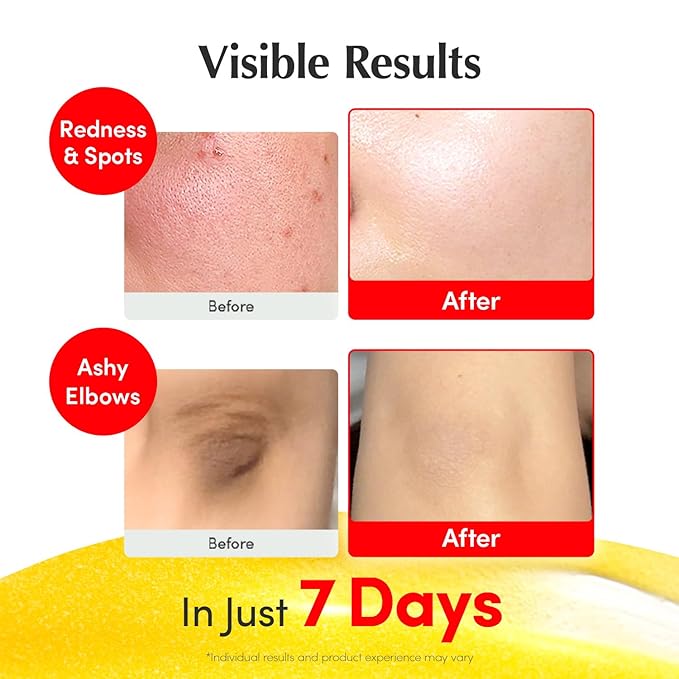
Some users report brighter, clearer skin in just a couple of weeks. Still, if you struggle with persistent skin issues, results may take longer.
Remember, individual results can differ greatly. What works wonders for a friend might not yield the same effect for you.
Potential Drawbacks
As with any beauty remedy, it’s wise to keep a few cautionary notes in mind.
Protein Overload
Rice water is rich in protein. While a little can be beneficial, too much can leave hair feeling stiff, dry, or brittle. If you notice your hair losing its flexibility, reduce your usage to once every two weeks or apply it alongside moisturizing treatments.
Fermentation Odor
Balancing the benefits of fermentation with potential odor can be tricky. If you enjoy the advantages but dislike the smell, consider adding a few drops of essential oils to improve the scent. Alternatively, don’t ferment the rice water too long, or stick with freshly made rice water.
Time Commitment
Integrating rice water into your routine can feel like an added task, especially when you have an established regimen. To save time, prepare a batch of rice water and store it in the fridge for up to a week.
Additional Tips for Optimizing Use
Dilution: If you’re concerned about too much protein affecting your hair, simply dilute the rice water with a bit more plain water before using it. This makes it gentler while still providing benefits.
Storage Techniques: If you decide to ferment your rice water, keep it in a cool, dark spot for 12-24 hours before refrigerating it. This storage method preserves freshness.
Final Thoughts
So, is the rice water trend truly worth the hype? In my opinion, absolutely, but with a couple of caveats. Rice water is a natural, inexpensive solution with a long-standing history in beauty routines. While it has benefits backed by some scientific research, it’s no miracle cure. My suggestion? Give it a shot for a couple of months. Remain consistent, patient, and evaluate how your body responds. At worst, you’ll have utilized some leftover rice; at best, you might just find a new favorite beauty secret that works for you.
Use Rice Water to Nourish Plants Too
Not into using rice water for beauty? You can also put it to good use in your garden! Rice water can serve as nutrient-rich fertilizer for your plants. Here’s why:
Nutrient Boost
Those vitamins and minerals we discussed before? Plants thrive on them too! The starch in rice water breaks down into simple sugars, delivering energy to beneficial soil microorganisms that help your plants flourish.
pH Balance
Rice water has a slightly acidic nature, which can help maintain the pH balance in the soil for plants that thrive in such conditions, including many popular houseplants.
Natural Pesticide
Some gardeners advocate for using rice water as a natural pest deterrent. While I can’t confirm its effectiveness, the starch might create a protective layer on plant leaves, potentially making them less appealing to pests.
Promotes Growth
Rice water can stimulate plant growth and improve overall health. I regularly use it on my plants, and I can see a noticeable difference each time.
Application Method
Dilute the rice water (1 part rice water to 2 parts regular water) and water your plants weekly. It’s a fantastic two-for-one deal when preparing your rice dish.
As with any new treatment, introduce it in small amounts and observe how your plants respond.
Conclusion
From beauty elixir to plant food, rice water proves to be a multifunctional wonder. Who knew that something so simple could hold so much potential? Have you experimented with rice water? I’d love to hear about your experiences, so feel free to share in the comments!