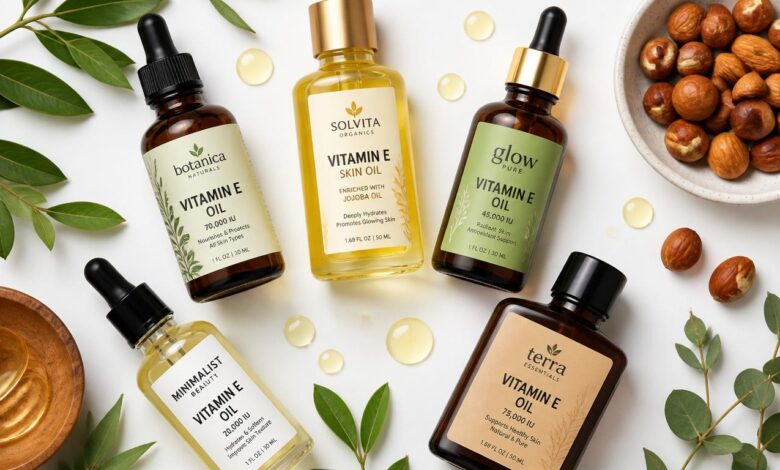
Discover the Power of Vitamin E Oil for Radiant Skin
If you’ve been exploring skincare options lately, you’ve likely encountered the buzz about Vitamin E oil. Whether it’s through social media influencers, recommendations from friends, or as a key ingredient in beloved skincare products, Vitamin E is everywhere. But how effective is it really for your skin?
Let’s delve into the world of pure Vitamin E oil, its properties, and how to incorporate it into your current skincare routine for the best results.
Why Vitamin E Oil?
Vitamin E is celebrated for its multitude of benefits that can transform your skin. With antioxidant properties, moisturizing capabilities, and skin barrier support, it’s no wonder why this vitamin is a staple in many skincare regimes.
Antioxidant Production
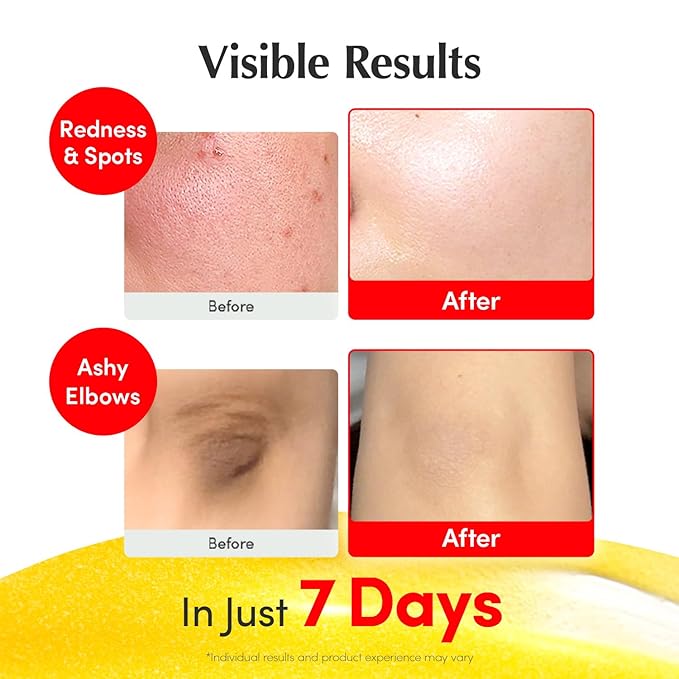
One of the primary advantages of Vitamin E is its potent antioxidant properties. It helps combat free radicals which can lead to skin damage. By shielding your skin from environmental stressors like pollution, Vitamin E plays a vital role in maintaining your skin’s health.
Deep Hydration
Vitamin E oil acts as an emollient, a substance that softens and hydrates the skin. This attribute is particularly beneficial for anyone experiencing dryness or wanting to enhance their skin’s overall hydration levels.
Skin Barrier Health
By reinforcing your skin’s natural barrier, Vitamin E aids in retaining moisture while keeping irritants at bay. This is particularly important for those whose skin tends to feel irritated or sensitive after using various products.
Using Pure Vitamin E Oil
Although pure Vitamin E oil can be applied directly to the skin, it is quite thick and sticky, which may not be suitable for everyone. Some may prefer to opt for carrier oils rich in Vitamin E instead. Here are a few tips for using pure Vitamin E oil effectively:
- Dilute It: If you choose to apply pure Vitamin E oil, consider mixing it with a carrier oil. A general guideline is to use 2-3 drops of Vitamin E oil with each tablespoon of carrier oil.
- Apply Wisely: For optimal results, consider applying Vitamin E oil on damp skin. This helps lock in moisture and enhances absorption.
Despite its benefits, the viscosity of pure Vitamin E oil can be overwhelming for some. Thus, exploring oils with high Vitamin E content that have additional advantages is a smart alternative.
My Top 5 Vitamin E Oils for Glowing Skin
I’ve gathered a list of the best oils that not only contain Vitamin E but also offer unique benefits suited to various skin types.
1. Wheat Germ Oil: The Vitamin E Powerhouse
Vitamin E Content: Wheat germ oil is unrivaled in Vitamin E content, boasting about 20 mg per tablespoon.
Benefits: This oil is amazing for deeply nourishing dry skin and protecting against sun damage. Thanks to its rich formulation, it’s also a powerful antioxidant.
Usage Tips: Because of its thickness, mix wheat germ oil with lighter oils or your favorite moisturizer for easier application. It’s recommended to use wheat germ oil during nighttime skincare routines to give your skin a rejuvenating boost while you sleep.
Best For: Dry skin types needing intense hydration and nourishment. Those seeking a strong antioxidant help will find this oil beneficial.
2. Sweet Almond Oil: Soft and Radiant Skin
Vitamin E Content: Sweet almond oil contains around 5.3 mg of Vitamin E per tablespoon.
Benefits: Known for its ability to soften skin, almond oil also aids in evening skin tone, giving a natural glow.
Usage Tips: After cleansing, apply sweet almond oil directly or mix it with your favorite moisturizer. You can even use it for facial massages to promote better circulation and relaxation.
Best For: Suitable for various skin types, especially normal to dry skin. If your skin tends to be oily, consider using it sparingly or pairing it with lighter oils.
3. Hazelnut Oil: Balanced Hydration
Vitamin E Content: Hazelnut oil features about 6.4 mg of Vitamin E per tablespoon.
Benefits: This lightweight oil balances oily skin while providing the moisture needed without clogging pores.
Usage Tips: Incorporate a few drops into your daily moisturizer, or use it alone for a light and nourishing effect.
Best For: Ideal for those with oily or acne-prone skin. It delivers hydration without the risk of added greasiness.
4. Sunflower Oil: Lightweight Moisture
Vitamin E Content: Sunflower oil offers approximately 5.6 mg of Vitamin E per tablespoon.
Benefits: This oil is known for its light texture and excellent hydration capabilities while maintaining your skin’s barrier.
Usage Tips: Apply sunflower oil to clean, damp skin for the best results. It’s a versatile option that can easily be blended with other products.
Best For: Anyone looking for lightweight, non-greasy hydration. It’s particularly effective for combination or normal skin types.
5. Cottonseed Oil: Daytime Hydration
Vitamin E Content: Cottonseed oil contains around 4.8 mg of Vitamin E per tablespoon.
Benefits: Lightweight and easily absorbed, cottonseed oil is perfect for all-day use, keeping your skin hydrated without heaviness.
Usage Tips: Use cottonseed oil alone or mix it with your moisturizer for daytime hydration.
Best For: Ideal for normal to oily skin types seeking light hydration without a greasy feel. For those needing deeper moisture, layering it with a richer oil may provide the perfect solution.
Integrating Vitamin E Oils into Your Skincare Routine
Once you’ve selected your preferred Vitamin E oil or oils, integrating them into your routine can be straightforward.
Start Simple
Choose one oil to begin, applying it consistently over time to gauge its effects on your skin. You may even opt to blend oils for a customized experience.
Application Method
To maximize the benefits of your chosen oil, follow these application methods:
- Preparation: Start with clean skin, and warm 2-3 drops of oil between your palms.
- Application: Gently press the oil into your skin rather than rubbing it in. Circular motions encourage absorption and improve blood circulation.
- Timing: If using at night, allow the oil to absorb into your skin before heading to bed. For daytime use, especially lighter oils, let it sit for a few minutes before applying makeup or sunscreen.
Frequency of Use
While most Vitamin E oils can be used daily, consider the thickness of the oil and your skin’s needs. Heavier oils are best applied at night, while lighter options can be incorporated during the day without an issue.
Anticipating Results
With regular use, you can expect visible improvements in skin texture and hydration within 2-4 weeks. Radiance and a more balanced appearance may take a bit longer, typically between 4-6 weeks.
Additional Tips for Success
- Pace Yourself: If you have sensitive skin, start with small quantities to gauge your skin’s reaction. Avoid overwhelming your skin with multiple new products at once.
- Patch Test: Always conduct a patch test with new oils, especially when applying to your face. This practice helps to avoid adverse reactions before widespread use.
- Damp Application: For enhanced absorption, apply oils to slightly damp skin, which allows for better hydration retention.
Final Thoughts
Incorporating Vitamin E-rich oils into your skincare routine can be immensely beneficial. Whether you seek hydration, protection from environmental factors, or a natural glow, these oils can significantly improve your skin health.
Start with one oil that fits your skin’s unique needs, and enjoy the journey of exploring natural skincare. With patience and consistency, you’ll uncover the remarkable benefits that these oils have to offer.
Here’s to embracing the nourishing power of Vitamin E for radiant skin!