The Ultimate Guide to Natural Remedies for Bug Bites
Introduction
We’ve all been there—enjoying a beautiful summer evening only to be interrupted by the dreaded itch of a bug bite. Whether it’s a mosquito, midge, or fly, that prickly sensation can turn a peaceful night into a scratching frenzy. Fortunately, you don’t need to rush to the pharmacy at midnight for relief. Nature has gifted us with a plethora of effective remedies that can alleviate the itch and promote healing quickly. In this guide, you’ll discover which natural solutions truly work and how you can create simple DIY recipes to keep on hand all summer long.
Understanding Bug Bites
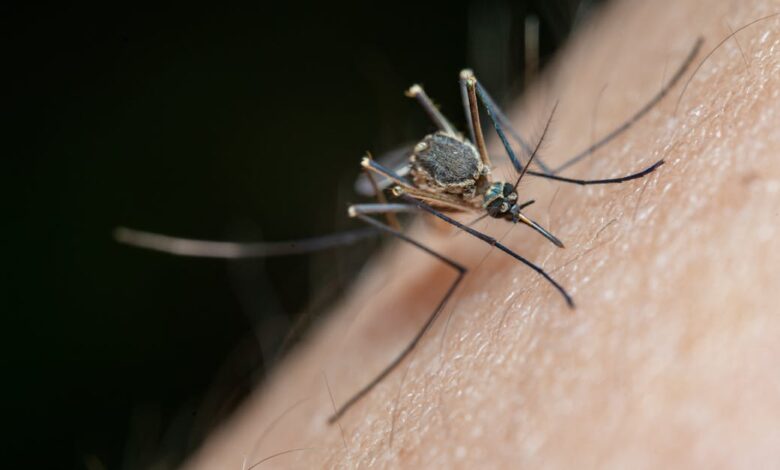
To fully appreciate how to treat bug bites, it helps to know what occurs when a bug bites you. When an insect penetrates your skin, it injects saliva that your immune system recognizes as a foreign substance. In response, your body releases histamine—a compound linked to allergic reactions. Histamine’s role is to trigger inflammation, which increases blood flow to the area, resulting in redness and swelling, while also activating nerve endings, causing that pesky itch.
For effective relief, you’ll want to utilize ingredients that:
- Reduce inflammation (diminishing swelling and redness)
- Soothe nerve endings (alleviating the itch)
- Support skin repair (promoting faster healing)
Natural remedies excel at achieving these goals without the use of numbing agents or synthetic fragrances.
This post contains affiliate links. If you make a purchase through my links, I may receive a small commission at no additional cost to you. I only recommend products I truly believe in.
8 Natural Remedies to Relieve Itching
These natural ingredients are not only effective but also gentle and safe for most skin types. Below are some of the best remedies to combat itching and irritation.
1. Aloe Vera: Instant Cooling Relief
Aloe vera is renowned for its cooling and anti-inflammatory properties. Rich in polysaccharides, aloe can ease irritated skin and speed up the healing process.
How to Use:
Apply pure aloe vera gel directly to the affected area. If you have access to a fresh aloe leaf, slice it open and rinse off the yellow sap first, as it can cause irritation. Rub the clear gel onto your skin as needed. It’s gentle enough for children and sensitive skin.
2. Witch Hazel: Quick Swelling Reduction
Witch hazel acts as a natural astringent, helping to tighten inflamed tissue and reduce swelling. It also has mild anesthetic properties that can relieve itching almost instantly.
How to Use:
Soak a cotton pad with alcohol-free witch hazel and gently press it onto the bite for a few minutes. You can also create after-bite sprays with this ingredient.
3. Chamomile: Gentle Enough for Everyone
Chamomile is packed with chamazulene and bisabolol—two compounds celebrated for their anti-inflammatory properties. Its gentle nature makes it ideal for children and sensitive skin.
How to Use:
Use chamomile hydrosol (floral water) as a soothing spray or apply cooled chamomile tea directly to the bite with a cotton pad. Chamomile-infused oil can also be added to balms.
4. Lavender Essential Oil: Fast-Acting Relief
Lavender essential oil is unique in that it can be applied undiluted to small areas of skin for immediate relief. This oil has anti-inflammatory and antimicrobial properties that help to reduce itching.
How to Use:
Dab one drop of pure lavender oil directly onto the bite. If using on children or sensitive skin, dilute it in a carrier oil such as coconut or jojoba (1-2 drops per teaspoon).
5. Tea Tree Essential Oil: Infection Prevention
Known for its antiseptic qualities, tea tree oil not only helps to reduce swelling but also prevents infection—especially critical if you’ve accidentally scratched the bite.
How to Use:
Always dilute tea tree oil before applying it to the skin—1-2 drops per teaspoon of carrier oil. Avoid using it on broken skin or sensitive areas. If you haven’t used it before, conduct a patch test first, as it can be sensitizing for some individuals.
6. Calendula: Soothing and Healing
Calendula, commonly known as marigold, is cherished for its healing properties. Traditionally used for bites and irritated skin, it is safe for children and those with sensitive skin.
How to Use:
You can use calendula-infused oil in balms, apply calendula cream directly to the bites, or prepare a strong calendula tea, let it cool, and use it as a compress.
7. Plantain Leaf: Nature’s Quick Fix
If you find yourself outdoors when a bite occurs, look for the common “weed” known as plantain (Plantago major). This versatile plant has been used for centuries as a remedy for bites.
How to Use:
Chew a fresh plantain leaf to release its juices and apply it directly to the bite. Alternatively, you can crush the leaf between your fingers and press it onto the skin for fast relief.
8. Colloidal Oatmeal: Effective for Multiple Bites
Colloidal oatmeal contains avenanthramides, compounds that are effective in calming itching and soothing irritated skin. This remedy works particularly well for multiple bites.
How to Use:
Mix finely ground oats with a small amount of water to form a paste, then apply it to the bites. Let it sit for 10-15 minutes before rinsing. You can also add colloidal oatmeal to a cool bath for full-body relief.
Easy DIY After-Bite Spray
For quick and effortless relief, this easy cooling anti-itch spray is a must-have. It’s a portable solution you can keep in your bag or by the door.
Ingredients:
- 60 ml alcohol-free witch hazel
- 30 ml aloe vera gel or juice
- 10 ml chamomile hydrosol
- 5 drops lavender essential oil
- 3 drops tea tree essential oil (optional)
Instructions:
- Combine all ingredients in a clean 100 ml spray bottle.
- Shake well before each use.
- Spray directly onto affected areas as needed. It won’t sting or irritate the skin.
Shelf Life: Store in the refrigerator for up to 2 weeks, or consider adding 5-10 drops of a natural preservative like leucidal for longer shelf life.
Tip: Refrigerating the spray enhances its cooling effect, making it incredibly soothing for itchy, hot skin.
DIY After-Bite Balm for Long-Lasting Relief
If you prefer a richer balm that provides a protective barrier on your skin, this recipe is perfect. It locks in moisture and delivers concentrated relief.
Ingredients:
- 2 tablespoons coconut oil (or shea butter for thicker consistency)
- 1 tablespoon calendula-infused oil
- 1 teaspoon candelilla wax (or beeswax)
- 5 drops lavender essential oil
- 3 drops chamomile essential oil (optional)
- 2 drops tea tree essential oil (optional—avoid for young children)
Instructions:
- Melt the coconut oil, calendula oil, and candelilla wax together in a double boiler or heatproof bowl over simmering water.
- Once melted, remove from heat and allow to cool slightly.
- Stir in the essential oils and pour the mixture into a small tin or jar.
- Let it set at room temperature.
How to Use: Rub a small amount directly onto the affected area and reapply as required.
Shelf Life: This balm can last 6-12 months when stored in a cool, dark place.
Swaps for Sensitive Skin or Kids: If you’re making this for sensitive skin or young children, you can replace tea tree oil with extra lavender or chamomile. For babies and toddlers, limit lavender to 2-3 drops. Alternatively, you can exclude essential oils altogether and stick with calendula and coconut oil for soothing effects.
Preventing Bug Bites
While treating bug bites is essential, the best way to deal with them is to avoid getting bitten in the first place. Here are some tips to help you protect yourself naturally:
- Wear light-colored, loose-fitting clothing during dusk and dawn when mosquitoes are most active.
- Utilize natural insect repellents containing essential oils like citronella, eucalyptus, or lemongrass.
- Steer clear of heavily scented lotions or perfumes outdoors, as these can attract bugs.
- After a bite, keep your skin calm and cool; both heat and friction can make itching worse.
- Resist the urge to scratch—breaking the skin increases your risk of infection. Instead, opt for immediate treatment with a remedy.
- For quick swelling reduction following a bite, use a cold compress for the first few minutes.
- If you’re likely to be around plenty of insects, consider applying a thin layer of coconut oil mixed with lavender or eucalyptus oil on exposed skin. Although it won’t act as a full repellent, it can provide an extra line of defense.
Conclusion
Bug bites can be a nuisance, but they don’t have to ruin your outdoor adventures. With the right natural ingredients in your toolkit, you can calm inflammation, relieve itching, and help your skin heal quickly. The recipes provided are simple, affordable, and highly effective. Trust in the power of nature’s remedies and keep your summer fun and bite-free! Save this guide for the next time you’re faced with the itchy consequences of a bug bite.