The Truth About DIY Face Serums vs. Store-Bought… What’s Best for Your Skin? ✨

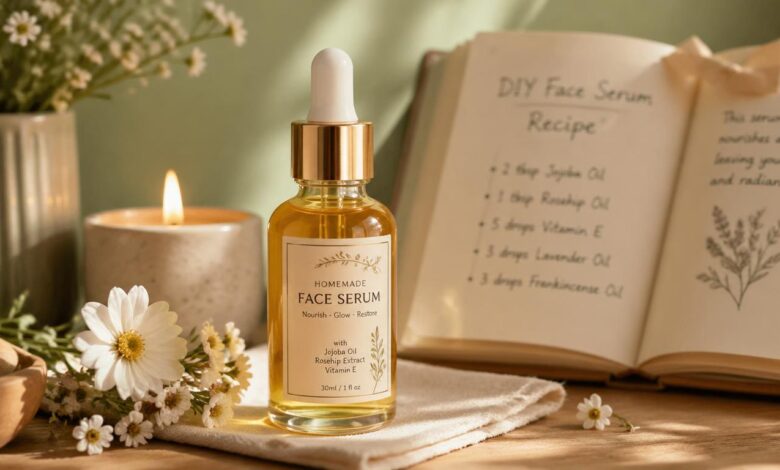
A Comprehensive Guide to DIY Face Serums vs. Store-Bought Options
As a certified organic skincare formulator and health coach, I’ve witnessed endless trends rise and fall in the beauty industry. One question that often arises is: “Should I create my own face serums or purchase them from a store?” It’s an excellent question! The answer isn’t straightforward, as both paths offer distinct advantages and disadvantages. In this article, I aim to empower you with the knowledge necessary to make an informed choice for your skin and lifestyle. By the end, you’ll be ready to confidently decide which approach suits you best.
If you’re intrigued by the idea of DIY face serums, I’ve got a treasure trove of resources on the subject. Feel free to explore and see what you might whip up at home! I’ve been crafting my own face serums and oils since 2018, and the experience has been enlightening.
The Allure of DIY Skincare: Crafting Your Own Elixirs
Honing your skills to create skincare products at home is not just rewarding; it taps into our desire for customization and control over what we apply to our skin. Going natural is essential, and my life has transformed dramatically since I embraced this approach in 2018.
Benefits of Crafting Your Own Face Serums
-
Complete Control of Ingredients
One of the most significant advantages of creating your own serums is the ability to select every single ingredient. This means you can tailor your formulation to meet your skin’s specific needs. Do you have sensitive skin? You can avoid irritants. Struggling with dryness? Opt for moisturizing oils. Want to tackle hyperpigmentation? Incorporate targeted brightening agents. It’s akin to having a skincare line uniquely designed for you. -
Transparency in Ingredient Lists
With homemade serums, you no longer have to decipher long, complex ingredient lists filled with terms that might baffle you. You know exactly what goes into your serum because you crafted it yourself. This transparency is particularly reassuring for those who prioritize organic, natural, or minimalist skincare. -
Cost-Effective Over Time
While the upfront cost of raw ingredients might initially seem substantial, DIY serums can ultimately save you money. Many potent actives are available in bulk, allowing you to create multiple batches for a fraction of the price compared to high-end store-bought options. -
Freshness Matters
Homemade serums are typically crafted fresh, maximizing the potency of active ingredients. You won’t have to worry about using products that have been sitting on a shelf for months or, worse, years. -
Less Environmental Impact
By using reusable containers and purchasing ingredients in bulk, you can significantly cut down on packaging waste linked to commercial products. This aligns wonderfully with a sustainable lifestyle.
This post contains affiliate links. If you make a purchase through my links, I may receive a small commission at no additional cost to you. I only recommend products I truly believe in.
Drawbacks of DIY Face Serums
-
Learning Curve
Crafting safe and effective serums requires knowledge of cosmetic chemistry. Proper ingredient compatibility and preservation techniques are crucial to prevent bacterial growth, which could be harmful. Without this understanding, you risk creating formulations that are either ineffective or potentially irritating. -
Shorter Shelf Life
Due to the absence of sophisticated preservation methods found in commercial products, DIY serums generally have a shorter shelf life. This necessitates creating smaller batches more frequently and proper storage (often in the refrigerator) to maintain product integrity. -
Sourcing Quality Ingredients
Not all raw materials are created equal. It requires effort to find high-quality, ethically sourced ingredients. Utilizing poor-quality components can compromise the effectiveness of your serum or trigger adverse reactions. -
Time Commitment
Making your own serums is time-intensive. From researching and formulating to blending and bottling, the process can be cumbersome for those with busy lifestyles. -
Lack of Lab Testing
Unlike commercial products, which undergo rigorous efficacy, stability, and safety testing, DIY serums don’t offer that level of assurance. While personal experiences might suggest effectiveness, they lack scientific validation.
The Appeal of Store-Bought Serums
Let’s be honest: store-bought serums provide convenience, reliability, and often impressive results. For many, the primary advantage lies in their ready-made formula, crafted by professionals who understand skincare.
Advantages of Store-Bought Face Serums
-
Expertise and Experience
Most commercial serums are created by skilled cosmetic chemists who understand ingredient interactions and how to formulate stable products that cater to a wide array of skin types. This expertise minimizes the guesswork for you. -
Extended Shelf Life
Thanks to advanced preservation techniques, store-bought serums tend to have a longer shelf life. You won’t have to rush to use them, alleviating concerns regarding bacteria or mold. -
Testing and Verification
Reputable brands often invest in comprehensive lab testing to validate their serums’ effectiveness. Knowing that the product has been scientifically evaluated can add reassurance, especially when you’re making a significant investment. -
Enhanced Absorption
Some commercial serums utilize advanced delivery methods, like micro-encapsulation, which can significantly improve ingredient penetration, leading to quicker and more noticeable results. -
Simplicity and Variety
Store-bought serums offer ease; you simply open the bottle and apply. Additionally, a vast array of options is available for virtually every skin concern, from fine lines to dullness, ensuring you can find something tailored to your needs.
Disadvantages of Store-Bought Face Serums
-
Lack of Customization
Even with extensive options, you’re still confined to what the brand has formulated. You can’t adjust the formulation to meet your specific skin needs or preferences. -
Complex Ingredient Lists
Even though ingredients are displayed on packaging, understanding them can be tricky. Many brands utilize scientific names or proprietary blends that make it challenging to grasp what you are applying to your skin. -
Price Tag
High-quality serums, especially those touting trendy ingredients or luxury branding, can be expensive. The costs can stack up quickly, particularly if you’re switching between products. -
Potential Irritants for Sensitive Skin
Some formulations may contain synthetic preservatives or fragrances that could trigger irritation, making them unsuitable for sensitive skin. -
Environmental Concerns
Most commercial serums come packaged in plastic containers, which may not be easy to recycle. For those aiming to reduce their environmental footprint, this could be a downside.
Deciding Between DIY and Store-Bought Serums
Feeling torn between the two options? Here are some key considerations to help you make a decision.
Assess Your Preferences
Are You a Hands-On Person?
If you love experimenting and learning, DIY could be fulfilling. It allows for creativity and personalization, making it a more enjoyable experience.
Do You Prefer Convenience?
If researching ingredients and managing storage sounds overwhelming, a store-bought serum may be the best fit. There are countless reliable products available from companies who are dedicated to skincare.
Evaluate Time Commitment
Can You Dedicate Time to DIY?
Creating your own serums requires patience and focus. If your daily life is already packed, think about whether you genuinely want to add this task to your routine.
Consider Your Skin’s Needs
Do You Face Unique Skin Issues?
If standard store-bought serums aren’t tackling your particular skin concerns effectively, crafting your own might be worthwhile. This option allows you to customize your serum composition for optimal results.
Reflect on Budget
How Important is Cost?
If your budget is tight but you’re interested in experimenting with DIY serums, you could potentially save money in the long run. However, if you value convenience more, it may be worth investing in a quality store-bought product.
My Personal Perspective as a Formulator
Ultimately, while both DIY and store-bought serums have their merits, I tend to advocate for the DIY approach. I believe in the empowerment that comes from crafting your skincare—when done thoughtfully and with care. Being involved in the creation of your products can deepen your connection to the ingredients and the skincare journey itself.
For those just starting, I recommend you take small steps. Don’t dive headfirst into complex formulations with numerous ingredients. Begin with simpler oil blends using high-quality, cold-pressed oils. Always prioritize cleanliness and safety, and remember to conduct patch tests.
Regardless of whether you lean towards homemade concoctions or prefer the ease of purchased products, the most crucial aspect is to listen to your skin. Choose what feels right for you, aligns with your values, and ultimately enhances your skincare routine. After all, personal skincare should be a journey of self-discovery and joy.