Natural Remedies for Pain After Surgery: A Complete Guide to Gentle, Effective Relief


Recovering from surgery is rarely comfortable. Between the incision tenderness, muscle soreness, and inflammation, post-operative pain can feel relentless — and relying solely on prescription medications isn’t always ideal. Natural remedies for pain after surgery offer a complementary path: gentle, supportive approaches that work alongside your medical treatment to ease discomfort, reduce swelling, and speed up healing. From anti-inflammatory herbs and therapeutic nutrition to mindfulness practices and topical treatments, this guide walks you through the most trusted, evidence-backed options so you can feel better — faster, and more naturally.
1. Herbal Supplements & Plant-Based Anti-Inflammatories
One of the most time-honored approaches to managing post-surgical discomfort is through herbal medicine. Plants have been used for millennia to reduce pain, combat inflammation, and support tissue repair — and modern research increasingly validates what traditional healers have long known. Of course, timing matters: certain supplements should be paused before surgery and reintroduced during recovery, always with your surgeon’s blessing.
Turmeric (Curcuma longa) is arguably the king of natural anti-inflammatories. Its active compound, curcumin, has been shown in numerous studies to inhibit inflammatory pathways — the very pathways that cause much of the pain and swelling after an operation. Taking a high-quality turmeric curcumin supplement with black pepper (piperine) significantly boosts absorption. Aim for products standardized to 95% curcuminoids for the best effect.
Bromelain, a proteolytic enzyme derived from pineapple stems, is another standout. It’s frequently recommended by integrative practitioners after orthopedic and cosmetic procedures because it actively helps break down damaged tissue and reduce edema (fluid-based swelling). You can find it as a standalone bromelain capsule supplement, and it works best taken on an empty stomach between meals for maximum therapeutic effect.

Don’t overlook Arnica montana, a flowering herb with a storied history in post-surgical recovery. Available in oral pellets and topical gels, arnica is particularly popular after cosmetic, dental, or orthopedic surgery for its ability to reduce bruising speed and tissue soreness. Similarly, Boswellia serrata (also known as frankincense) offers powerful resin-based compounds called boswellic acids that block the production of leukotrienes — inflammatory messengers that amplify post-op pain signals.
⚠️ Important Note
Always consult your surgeon or physician before adding any herbal supplement to your post-operative routine. Some herbs interact with blood-thinning medications or anesthesia residues. Your safety comes first.
2. Healing Nutrition & Dietary Strategies
What you eat after surgery is not just about fueling your body — it’s about directing your biology toward repair. Post-operative nutrition plays a critical role in wound healing, immune function, and the speed at which inflammation resolves. A diet rich in whole foods, anti-inflammatory compounds, and key micronutrients can meaningfully reduce how long and how intensely you experience post-surgical pain.
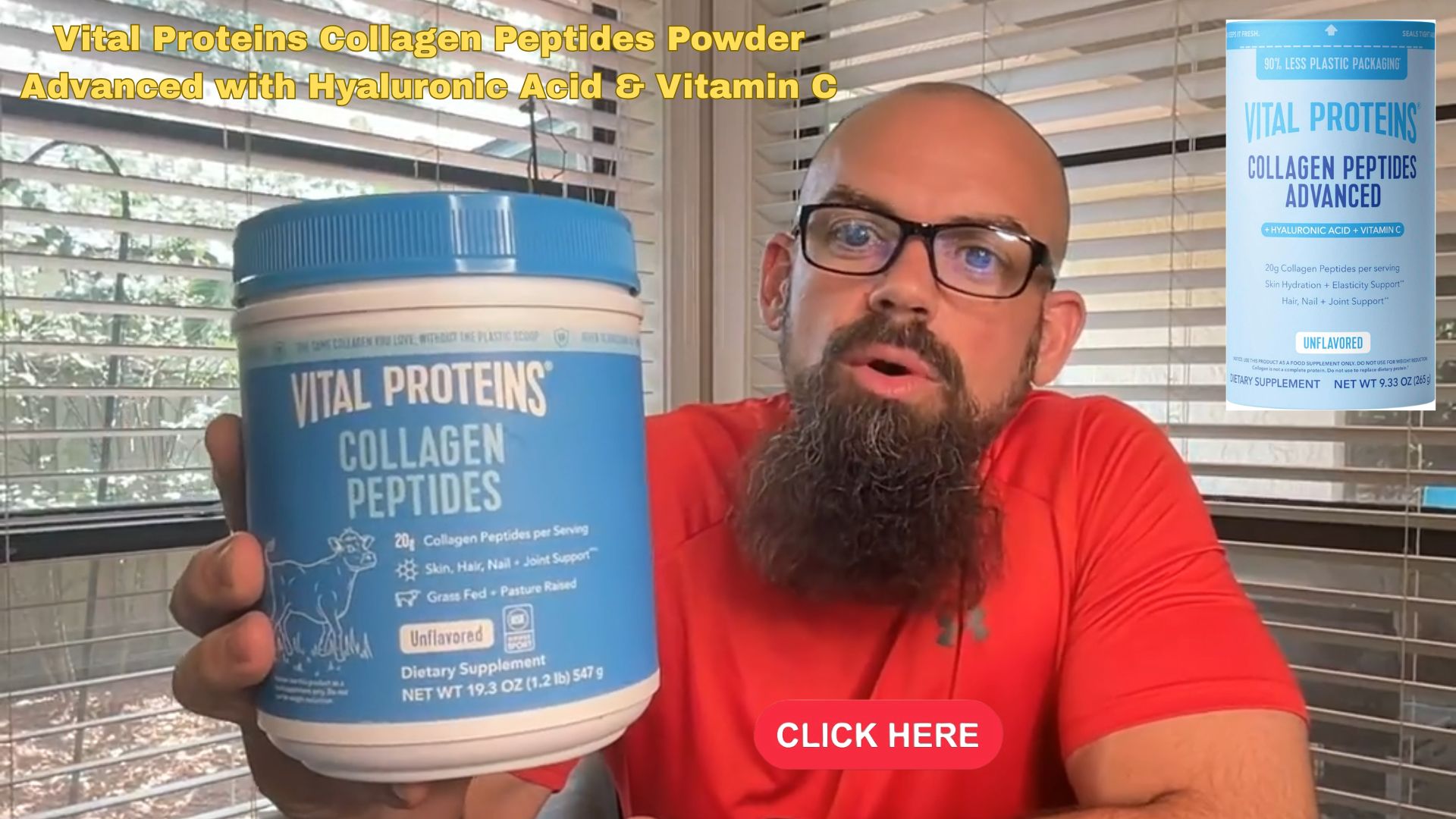
Protein is your body’s number one building material for tissue repair. After surgery, your protein requirements go up significantly — anywhere from 1.2 to 2.0 grams per kilogram of body weight daily, depending on the procedure. Eggs, wild-caught salmon, lentils, Greek yogurt, and bone broth are excellent, easy-to-digest sources. Bone broth in particular is a recovery superstar: it delivers collagen peptides, glycine, and glucosamine — all essential for connective tissue healing. Sipping on a warm mug of organic bone broth a couple of times per day is both comforting and genuinely therapeutic.
Load your plate with deeply colored vegetables and fruits — blueberries, spinach, sweet potatoes, beets, and red cabbage are all packed with anthocyanins, carotenoids, and vitamin C, which are antioxidants that neutralize the oxidative stress produced by surgical trauma. Vitamin C deserves special mention: it’s directly involved in collagen synthesis, meaning an adequate intake directly affects how quickly your incision heals. Alongside food sources, a gentle liposomal vitamin C supplement can ensure you’re meeting elevated post-op needs.
- Omega-3 fatty acids (from salmon, sardines, walnuts, flaxseed) actively reduce inflammatory prostaglandins
- Zinc-rich foods (pumpkin seeds, legumes, shellfish) support immune defense and wound closure
- Probiotic foods (kefir, kimchi, live yogurt) restore gut flora disrupted by antibiotics or anesthesia
- Hydration — aim for at least 2–3 liters of water daily to support lymphatic drainage and toxin clearance
Foods to avoid are just as important as what to include. Processed foods, refined sugar, alcohol, and excess sodium all have a pro-inflammatory effect and can prolong the pain and swelling you’re trying to overcome. Trans fats found in fried fast food are particularly problematic — they directly stimulate inflammatory cytokines. Think of your post-surgery diet as temporary medicine: clean, purposeful, and focused entirely on getting you back on your feet as comfortably and quickly as possible.
3. Topical Remedies & Physical Therapies
When pain is localized — at the incision site, in surrounding muscles, or in the nearby joints — topical natural remedies can deliver targeted relief without the systemic side effects of oral pain medications. From cold and heat therapy to plant-derived creams and gentle manual techniques, this category of post-op pain management is both practical and highly effective.
The ice-and-heat protocol is foundational. In the first 48–72 hours post-surgery, cold therapy (using a wrapped ice pack or a dedicated cold therapy compression wrap) helps constrict blood vessels, numb the area, and dramatically reduce initial swelling. After the acute phase, transitioning to gentle heat helps relax muscle spasms and improves circulation to the healing tissue. Always place a cloth barrier between ice/heat and skin to prevent burns.
Essential oils have surged in popularity as post-op topical supports — and some have credible science behind them. Lavender essential oil has demonstrated mild analgesic and anxiolytic properties; a few diluted drops (mixed with a carrier oil such as coconut or jojoba) massaged gently around (not on) the surgical site can reduce perceived pain intensity and promote relaxation. Peppermint oil contains menthol, which acts as a natural cooling agent and mild analgesic. A quality therapeutic-grade essential oil set is a worthy addition to your recovery toolkit.
For those cleared by their surgeon for gentle movement, lymphatic drainage massage is a remarkable tool — especially after procedures like liposuction, mastectomy, or abdominal surgery where lymph nodes may be disrupted. This specialized massage technique uses very light, rhythmic strokes to encourage lymphatic fluid movement, reducing fluid-based swelling (edema) and the heavy, achy feeling that often accompanies it. You can learn basic self-drainage techniques from a physical therapist, or use a gentle lymphatic massage tool designed for home use.
💡 Pro Tip
Never apply essential oils, arnica gel, or any topical remedy directly over an open incision or wound. Wait until the wound is fully closed and your healthcare provider gives the green light for topical applications near the surgical site.
4. Mind-Body Practices for Post-Surgical Pain Management
Here’s something that might surprise you: your mind is one of the most powerful pain management tools you have. Research in pain neuroscience has demonstrated that the brain actively modulates pain signals — amplifying or dampening them based on psychological states like stress, anxiety, expectation, and attention. Practices that calm the nervous system don’t just make you feel mentally better; they literally alter how pain signals are processed and perceived.
Mindfulness meditation has perhaps the most robust evidence base of any mind-body intervention for pain. Studies using fMRI scans have shown that regular mindfulness practice reduces activity in brain regions associated with pain catastrophizing (like the prefrontal cortex and anterior cingulate cortex) and increases the release of endogenous opioids — your body’s own natural painkillers. Even 10–15 minutes per day of guided meditation during recovery can make a measurable difference. Apps like Insight Timer or Calm offer excellent post-surgery guided sessions, and mindfulness books tailored to healing can be wonderful bedside companions.
Breathing exercises — particularly diaphragmatic (belly) breathing and coherent breathing at a rate of five to six breaths per minute — activate the parasympathetic nervous system (the “rest and digest” mode), which naturally lowers cortisol, reduces muscle tension, and creates a biochemical environment more conducive to healing. Deep breathing is also vital for preventing post-surgical pneumonia in patients who’ve had chest or abdominal procedures, making it doubly beneficial. Box breathing (inhale 4 counts, hold 4, exhale 4, hold 4) is particularly easy to learn and immediately calming.
Don’t underestimate the role of guided imagery and visualization. Techniques developed by pioneers like Dr. Martin Rossman involve mentally picturing the healing process — imagining new blood vessels forming, immune cells clearing debris, and tissue knitting back together. While it may sound purely metaphorical, research suggests these visualizations can influence physiological healing markers. Paired with relaxing music (especially binaural beats in the theta or delta range), this kind of mental engagement gives anxious post-op patients something constructive to do with their minds during those long, quiet days of bed rest.
5. Sleep, Rest & Environmental Recovery Support
Recovery happens during rest — not just in the operating room. Sleep is when your body produces the lion’s share of growth hormone, performs cellular repair, and consolidates immune responses. Yet post-surgical pain often makes quality sleep elusive. Addressing sleep quality as a standalone recovery goal is one of the most underrated natural strategies for reducing pain after surgery.
Sleep positioning can dramatically affect comfort and pain levels. Depending on your procedure, specific pillow arrangements can take pressure off tender areas and reduce fluid pooling. A high-quality wedge pillow for post-surgery positioning can help elevate limbs (reducing edema), prop up the torso (essential after abdominal surgery), or support the back and hips during lateral sleeping. Investing in one before your operation so it’s ready when you get home is smart planning.
Your sleep environment matters more than most people realize. A cool, dark, quiet room (ideally 65–68°F / 18–20°C) promotes deeper, more restorative sleep stages. Blackout curtains, a white noise machine, and elimination of blue light sources in the 90 minutes before bedtime all contribute to faster sleep onset and longer sleep duration. Magnesium glycinate — taken at night — is a particularly helpful natural supplement for post-surgical sleep: it relaxes muscles, calms the nervous system, and has a gentle but meaningful sleep-promoting effect without the grogginess of pharmaceutical sleep aids.
Finally, consider the healing power of nature and gentle sensory stimulation. If you’re well enough, even sitting near an open window with birdsong, gentle breeze, and natural light can reduce stress hormone levels and improve mood — both of which correlate with reduced pain perception. Research from environmental psychology shows that patients with views of nature have shorter hospital stays and require less pain medication. Bring nature to your recovery room: a small plant, a diffuser with eucalyptus essential oil, or a nature soundscape playing softly in the background can create a surprisingly therapeutic healing environment.
Conclusion
Navigating pain after surgery doesn’t have to mean choosing between gritting your teeth and relying exclusively on strong pharmaceuticals. Natural remedies for post-surgical pain — when used thoughtfully and in partnership with your medical team — offer a rich, layered toolkit for more comfortable healing. From the anti-inflammatory power of turmeric and bromelain to the restorative potential of quality sleep, clean nutrition, essential oils, and mindfulness, each strategy contributes a piece to the larger puzzle of recovery.
The key is always to listen to your body, work with your surgeon, and approach healing as a whole-body, whole-mind process. Recovery is not a passive event — it’s an active, intentional journey toward feeling whole again. Start with one or two changes, build gradually, and trust the process. Your body has an extraordinary capacity to heal.
Frequently Asked Questions
Can I use natural remedies for pain instead of prescription medications after surgery?
Natural remedies are best used alongside — not as a complete replacement for — your prescribed medication protocol, especially in the first days of recovery. As your healing progresses, many people find they can reduce reliance on pharmaceuticals with their doctor’s guidance. Never stop prescribed pain management abruptly without medical consultation.
When is it safe to start taking herbal supplements after surgery?
Most surgeons recommend pausing many herbal supplements at least two weeks before surgery due to risks of bleeding or drug interactions. Reintroduction timing after surgery varies by supplement and procedure — typically a few days to a week post-op, once you’re tolerating food and your surgeon approves. Always ask your care team first.
Is turmeric really effective for post-surgical inflammation?
Yes — several clinical studies support curcumin’s ability to reduce inflammatory markers like CRP (C-reactive protein) and TNF-alpha. However, standard turmeric powder has poor bioavailability; look for supplements with piperine (black pepper extract) or in phospholipid-complexed (phytosome) form for meaningful therapeutic effect.
Can essential oils be applied directly to surgical incisions?
No — never apply essential oils, herbal preparations, or any topical substance directly to an open or healing wound without explicit medical approval. Even diluted oils can introduce bacteria or cause skin reactions at vulnerable incision sites. They can be used on surrounding, unaffected tissue only after your surgeon gives the go-ahead.
How long does post-surgical pain typically last, even with natural support?
This varies widely by procedure, individual health, and age. Minor surgeries may involve discomfort for a few days to a week, while major procedures can involve weeks or months of managed recovery. Natural remedies can shorten and soften the pain experience, but realistic expectations and patience are equally important parts of the healing process.