Fast Periods Tips: How to Manage, Support, and Understand a Short Menstrual Cycle

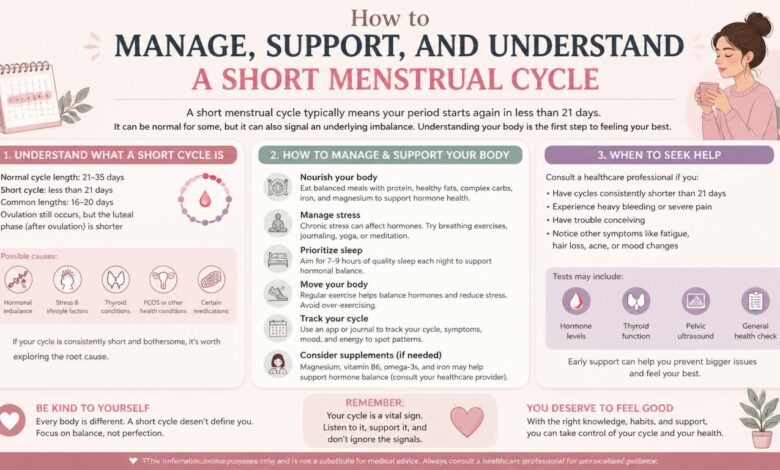
A fast or short menstrual period — typically lasting fewer than three days — is more common than most people realize. While the “textbook” cycle runs 21 to 35 days with bleeding lasting three to seven days, everyone’s body is different. A rapid period can feel like a relief or, for others, a signal worth investigating. Whether you experience light, brief bleeding or sudden heavy flow that ends quickly, knowing how to manage it wisely makes all the difference. This article walks you through practical, science-backed fast periods tips covering everything from lifestyle habits to the best products and when it’s time to check in with your doctor.
What Causes a Fast Period — and Is It Normal?
Before diving into tips, it helps to understand why periods can move quickly. A short cycle or brief menstruation can stem from a range of causes: hormonal fluctuations, stress, low body weight, intense exercise, perimenopause, thyroid disorders, or even certain medications. For some women, a period that lasts just two to three days is simply their biological normal — and that’s perfectly fine. For others, it’s a recent change that might signal something worth exploring.
The difference between a “fast period” and a medically concerning one often comes down to pattern. If your cycle has always been brief and you feel well, there’s usually nothing to worry about. But if you’ve recently shifted from a five-day period to a one-day spotting event, that’s a change worth noting. Conditions like hypothyroidism, polycystic ovary syndrome (PCOS), premature ovarian insufficiency, or even an early pregnancy loss can all cause shortened or irregular bleeding. Tracking your cycle — using a dedicated menstrual tracking journal or a period app — is the first and most empowering step you can take.
It’s also worth noting that a fast period doesn’t automatically mean low fertility. Many women with short cycles ovulate normally and conceive without difficulty. However, if your luteal phase (the time between ovulation and your period) is very short — say, fewer than ten days — this can sometimes affect implantation. Understanding your own hormonal rhythm gives you a major advantage in managing your health proactively.
Lifestyle Habits That Support a Healthy Menstrual Cycle
One of the most underestimated tools for menstrual wellness is simply how you live day to day. Sleep, stress, nutrition, and movement all play a direct role in your hormonal health — and your hormones dictate the length, intensity, and rhythm of your period. If your periods have become shorter over time, taking an honest look at your lifestyle is a great starting point.
Nutrition matters enormously. A diet low in iron, zinc, and healthy fats can reduce the thickness of the uterine lining, leading to lighter and faster periods. Focus on incorporating:
- Iron-rich foods — red meat, lentils, spinach, and fortified cereals to replenish what’s lost during bleeding
- Healthy fats — avocado, salmon, and nuts to support estrogen and progesterone production
- Vitamin C — helps with iron absorption; think oranges, bell peppers, and strawberries
- Magnesium-rich foods — dark chocolate, pumpkin seeds, and bananas to ease cramping and support cycle regularity
Stress is another big player. Chronically elevated cortisol levels can suppress reproductive hormones, causing periods to arrive early, end quickly, or become very light. Practices like yoga, meditation, walking in nature, and even journaling can meaningfully reduce cortisol. A quality magnesium supplement has also been shown in several studies to reduce menstrual-related anxiety and muscle tension, making it a popular addition to many women’s routines. The key is consistency — these habits work best when practiced regularly, not just around your cycle.
Pro tip
Try seed cycling — a natural practice of eating specific seeds during each phase of your cycle (flaxseeds and pumpkin seeds in the follicular phase; sesame seeds and sunflower seeds in the luteal phase) to gently support hormonal balance through nutritional precursors.
Choosing the Right Period Products for a Fast, Light Flow
If your period wraps up quickly, you need products that match your flow — not ones designed for five-day heavy bleeding. The wrong product can lead to discomfort, unnecessary waste, or missed spotting. The good news is the period product market has expanded dramatically, and there are now excellent options for every flow type and lifestyle.
For a fast, lighter flow, consider these options:
- Panty liners or ultra-thin pads — ideal for the tail end of a short period or for spotting; look for organic cotton options that are gentler on sensitive skin, like organic cotton liners
- Menstrual discs — a newer alternative that sits at the vaginal fornix, holding more fluid with less leakage risk; great for active women with short but occasionally heavier days
- Period underwear — reusable, eco-friendly, and perfect for light days; a light-flow period underwear set can replace single-use products entirely on your lighter days
- Menstrual cups (small size) — if you experience a couple of heavier hours within a fast period, a small menstrual cup provides leak-free protection for up to 12 hours
It’s also worth investing in a heating pad for cramp relief. Even when periods are short, cramping can be intense during a rapid flow. A portable heating pad is a discreet and drug-free way to ease uterine contractions on the go. Pair it with gentle movement and hydration, and you’ve got a powerful trio for managing discomfort without reaching for painkillers every time.
Hormonal Balance and Natural Approaches to Regulating Your Cycle
If you’ve noticed your periods becoming consistently faster over several months, supporting your hormonal balance naturally is a worthwhile goal — especially before jumping to pharmaceutical interventions. The endocrine system is remarkably responsive to lifestyle and targeted supplementation, and many women find meaningful improvements through gentle, consistent effort.
Vitex (chasteberry) is one of the most well-studied herbal remedies for cycle regulation. It works by gently influencing the pituitary gland to normalize the ratio of estrogen to progesterone — particularly helpful if low progesterone is causing a shortened luteal phase. A high-quality Vitex supplement taken daily (outside of pregnancy) is a popular starting point for those exploring natural hormonal support. Results typically take two to three cycles to become noticeable.
Other evidence-informed options include:
- Myo-inositol — especially useful if PCOS or insulin resistance is a contributing factor to cycle irregularity
- Vitamin D — deficiency is strongly linked to menstrual disorders; many women benefit from a daily Vitamin D3 + K2 supplement
- Omega-3 fatty acids — anti-inflammatory and supportive of healthy prostaglandin production, which regulates uterine contractions
- B-complex vitamins — particularly B6, which supports progesterone synthesis and can reduce PMS-related symptoms that co-occur with fast cycles
Remember: natural doesn’t mean risk-free. Always check with a healthcare provider before starting any supplement regimen, especially if you’re on hormonal contraceptives, have a thyroid condition, or are trying to conceive. The goal is to work with your body’s natural rhythms, not override them.
When to See a Doctor — Red Flags You Shouldn’t Ignore
Most short periods are harmless, but your body is always communicating with you — and some signals deserve professional attention. Knowing when to make that appointment is one of the most important fast periods tips there is. Don’t let minimizing instincts (“it’s probably nothing”) delay care that could matter significantly.
Consider booking an appointment with your gynecologist if you notice:
- Your period has suddenly shortened from your norm without a clear lifestyle change
- You experience spotting between periods or after sex
- Your period is accompanied by unusually severe cramping, despite being brief
- You are trying to conceive and your luteal phase appears shorter than 10 days
- You are over 40 and experiencing cycle changes that may signal perimenopause
- Blood is very dark brown or nearly black throughout — rather than just at the end of the period
Your doctor may recommend blood tests to check hormone levels (FSH, LH, estradiol, progesterone, TSH for thyroid), a pelvic ultrasound to assess uterine lining thickness, or a referral to a reproductive endocrinologist if fertility is a concern. Having detailed records of your cycle — dates, duration, flow level, and any symptoms — will make that appointment far more productive. A good period health diary or digital app gives you solid data to share.
Conclusion
Managing a fast period doesn’t have to feel confusing or isolating. With the right combination of lifestyle awareness, smart product choices, targeted nutrition, and natural hormonal support, you can feel informed and in control of your menstrual health. Whether your quick cycle is simply your biological normal or a signal to investigate further, knowledge is your greatest asset. Track your patterns, listen to your body, nourish yourself well, and never hesitate to consult a healthcare professional when something feels off. Your period is a vital sign — treat it as the useful information it truly is, and it’ll tell you everything you need to know.
Frequently Asked Questions
Is a 2-day period normal?
Yes, for some women a 2-day period is entirely normal and consistent throughout their reproductive life. It becomes a concern only if it’s a sudden change from your typical pattern, or if accompanied by other symptoms like spotting, severe pain, or fertility challenges.
Can stress make your period end faster?
Absolutely. High cortisol levels from chronic stress can suppress estrogen and progesterone, leading to a thinner uterine lining and consequently a shorter, lighter period. Managing stress through sleep, movement, and relaxation techniques can help restore a more typical flow.
What foods can help regulate a short menstrual cycle?
Focus on iron-rich foods, healthy fats (especially omega-3s), magnesium, zinc, and Vitamin B6. Reducing ultra-processed foods, alcohol, and excess caffeine can also help stabilize hormonal fluctuations that contribute to a fast or irregular cycle.
Does a fast period mean I’m not ovulating?
Not necessarily. You can have a short period and still ovulate regularly. However, if your period is extremely light and brief, it’s worth confirming ovulation is occurring — either through basal body temperature tracking, ovulation predictor kits, or progesterone blood tests in the mid-luteal phase.
Can birth control cause a shorter period?
Yes — hormonal contraceptives, particularly the hormonal IUD, the mini-pill, or hormonal implants, commonly cause lighter and shorter periods. This is a well-documented side effect and is generally considered medically benign, though it’s worth discussing with your provider if it concerns you.