
Hand pain — whether it’s a dull ache in your joints, a sharp tingling from carpal tunnel syndrome, or stiffness that greets you every morning — can quietly steal the joy from even the simplest tasks. Writing a note. Opening a jar. Holding a cup of coffee. Millions of people deal with chronic or recurrent hand discomfort every day, often searching for relief that doesn’t come with a long list of side effects. The good news? Nature has a surprisingly well-stocked medicine cabinet. This guide walks you through the most effective, practical, and evidence-supported natural remedies for hand pain — covering everything from anti-inflammatory herbs to targeted exercises, essential oils, and smart dietary strategies.
🍃 ✦ 🌱
🌿Anti-Inflammatory Herbs and Natural Supplements
Before reaching for an over-the-counter painkiller, it’s worth knowing that several herbs and natural compounds have demonstrated genuine anti-inflammatory and analgesic properties in clinical research. These aren’t just folk remedies passed down through generations — many have been studied in peer-reviewed settings and shown real promise for joint and soft-tissue pain, especially when used consistently over time.
Turmeric is arguably the superstar of natural pain relief. Its active compound, curcumin, blocks certain inflammatory enzymes in a way that’s been compared — cautiously — to some pharmaceutical anti-inflammatories. Adding turmeric to warm milk or water with a pinch of black pepper (which dramatically increases curcumin absorption) is a daily habit worth adopting. For those who prefer supplementation, standardized curcumin capsules with piperine are widely available. Alongside turmeric, ginger is another potent companion: it inhibits prostaglandins, the chemicals responsible for triggering pain signals, and can be consumed as fresh tea, added to meals, or taken as a capsule.

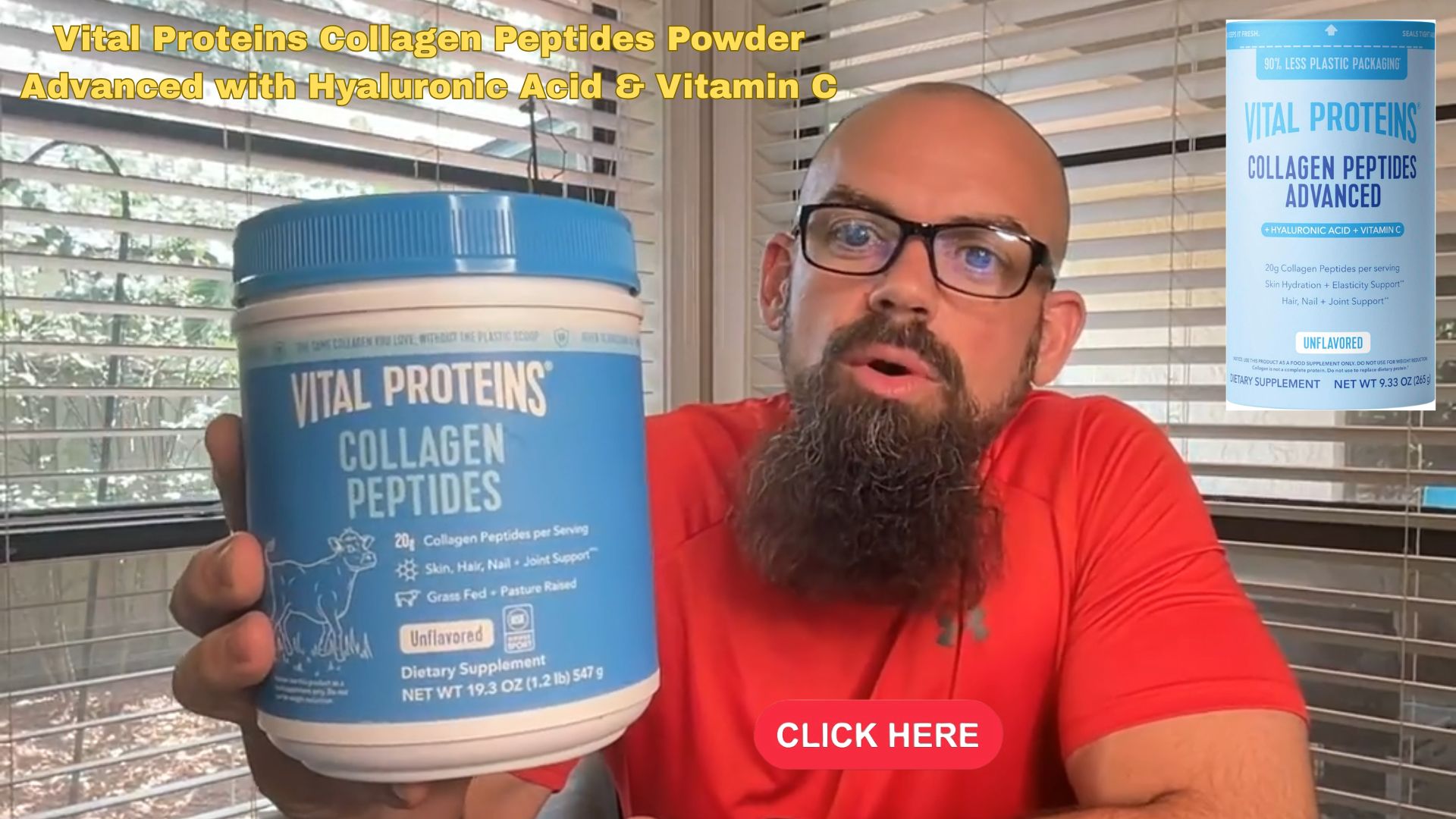
Boswellia (frankincense extract) and devil’s claw are two lesser-known but powerful herbal options that specifically target joint inflammation — making them particularly relevant for people dealing with osteoarthritis or rheumatoid arthritis in the fingers and wrists. Omega-3 fatty acids, found in fish oil, flaxseed, and walnuts, also deserve a spot in your natural toolkit: they’ve been shown to reduce joint stiffness and morning discomfort over 8–12 weeks of regular intake. These aren’t overnight fixes, but with consistent use, many people notice a meaningful reduction in baseline inflammation and pain frequency.
- Turmeric + black pepper — taken daily in warm liquid or capsule form for systemic inflammation
- Fresh ginger tea — steep 1-inch sliced root for 10 minutes; drink 1–2 cups daily
- Boswellia extract — particularly effective for arthritis-related hand stiffness
- Fish oil (omega-3s) — 1–3g daily to reduce joint inflammation over time
- Devil’s claw — traditionally used for joint and connective tissue pain relief
💡 Pro Tip
Always consult your doctor before starting new supplements, especially if you take blood thinners or other medications — some herbs, like ginger and turmeric, can interact with certain drugs at high doses.
🟡Turmeric Curcumin with BioPerine
High-potency curcumin supplement with black pepper extract for enhanced absorption. View on Amazon →
🐟Omega-3 Fish Oil Capsules
Triple-strength EPA/DHA to support joint flexibility and reduce inflammation. View on Amazon →
🧊Hot and Cold Therapy: The Timeless Dynamic Duo
Few natural interventions are as immediately effective — or as simple — as thermal therapy. Yet many people apply heat and cold interchangeably without understanding the important distinction between when to use which. Getting this right can be the difference between genuine relief and accidentally worsening your symptoms. The rule of thumb? Cold for acute injury and inflammation; heat for chronic stiffness and muscle tension.
When hand pain flares suddenly — say, after a repetitive task, a minor strain, or a period of overuse — cold therapy is your best first response. Wrapping a bag of frozen peas or ice cubes in a thin cloth and applying it to the painful area for 15–20 minutes reduces swelling, numbs nerve endings, and slows inflammatory blood flow to the area. Never apply ice directly to skin; always use a barrier. On the flip side, heat therapy works beautifully for the kind of stiff, achy hands that feel tight first thing in the morning or after sitting still for long periods. Soaking hands in a warm (not scalding) paraffin wax bath is a particularly luxurious and effective option — the wax envelops each finger and joint, deeply penetrating heat that loosens stiff connective tissue in a way that a simple warm cloth simply can’t match.
For people dealing with conditions like Raynaud’s phenomenon, arthritis, or repetitive strain injuries (RSIs), alternating between cold and warm water soaks — a method called contrast hydrotherapy — can stimulate circulation and reduce chronic discomfort more effectively than either therapy alone. Try alternating 1 minute in warm water with 1 minute in cool water for a total of 10–15 minutes. It’s surprisingly invigorating and has genuine physiological backing: the vascular cycling helps flush inflammatory byproducts from the tissues.
🕯️Paraffin Wax Bath Machine
Home spa treatment for deep joint and muscle heat therapy — loved by arthritis sufferers. View on Amazon →
🧊Reusable Gel Ice Pack for Hands
Flexible, form-fitting cold therapy pack designed for wrist and hand application. View on Amazon →
🤲Hand Exercises and Gentle Stretching for Long-Term Relief
Here’s a truth that doesn’t get nearly enough attention: movement is medicine. For many types of hand pain — including carpal tunnel discomfort, trigger finger, arthritis, and tendinitis — gentle, targeted exercises are not just safe, they’re one of the most scientifically endorsed forms of long-term management. The problem is that when your hands hurt, your instinct is to rest them completely. And while rest has its place in acute injury recovery, prolonged inactivity often causes the muscles and tendons to weaken and tighten, making pain worse over time.
A simple daily hand exercise routine doesn’t need to be complicated or time-consuming. Finger glides (slowly curling each finger from a flat position to a full fist and back), wrist circles, thumb opposition exercises (touching the tip of your thumb to each finger), and prayer stretches (pressing palms together in front of the chest and slowly lowering until a stretch is felt in the wrists) are all highly effective. Performing these for just 5–10 minutes each morning can dramatically improve flexibility, reduce morning stiffness, and strengthen the intrinsic muscles that support your finger joints.
For those dealing with carpal tunnel syndrome specifically, nerve gliding exercises — which gently mobilize the median nerve through its passageway in the wrist — have strong clinical support. These involve moving the hand through a series of specific positions that stretch and “floss” the nerve, reducing compression-related tingling and pain. It’s also worth incorporating grip strengthening using a soft therapy putty or stress ball, which builds the muscle support around vulnerable joints without jarring impact. The key with all of these is consistency over intensity — gentle and regular always beats occasional and aggressive.
- Finger glides — flat hand to tight fist, 10 repetitions each hand
- Wrist flexion/extension stretches — hold each position 15–30 seconds
- Thumb opposition — builds coordination and reduces joint stress
- Nerve glides — specifically for carpal tunnel and nerve compression pain
- Therapy putty squeezes — gentle grip strengthening for joint support
🤜Hand Therapy Exercise Putty
Available in multiple resistances — great for gradual strength building and pain rehab. View on Amazon →
🧤Arthritis Compression Gloves
Graduated compression supports circulation and reduces joint ache during activity. View on Amazon →
💧Essential Oils and Topical Natural Applications
Topical remedies work differently from supplements or exercises — they act locally, delivering relief right where you need it without needing to travel through your digestive system. Essential oils have been used for centuries in traditional medicine systems around the world for exactly this purpose, and modern aromatherapy research is beginning to catch up with what herbal practitioners have long understood: certain plant-derived compounds interact directly with the skin’s pain receptors to provide meaningful, if temporary, relief.
Peppermint oil contains menthol, which activates the skin’s cold receptors and creates a cooling, analgesic sensation that can temporarily blunt pain signals. Lavender oil is well-studied for its calming effect on the nervous system and has mild anti-inflammatory properties. Eucalyptus oil promotes circulation and has been used effectively for musculoskeletal aches. Frankincense (boswellia) essential oil is perhaps the most potent of all for inflammatory joint pain — it inhibits the same enzymes targeted by pharmaceutical anti-inflammatories when absorbed transdermally. Always dilute essential oils in a carrier oil (like coconut, jojoba, or sweet almond oil) at a ratio of 2–3 drops essential oil per teaspoon of carrier before applying to skin.
Beyond essential oils, capsaicin cream (derived from chili peppers) is one of the most robustly studied topical pain relievers in existence. It works by depleting a neurotransmitter called Substance P, which carries pain signals to the brain — with regular use, this effectively turns the volume down on your hand pain. Arnica gel is another star player: widely used by athletes and arthritis sufferers alike, it reduces bruising, swelling, and soreness with remarkable speed. And don’t overlook a simple magnesium oil spray applied to the hands — many people with chronic pain are deficient in magnesium, and transdermal absorption can help relax cramped muscles and reduce nerve-related pain quickly.
🌶️Capsaicin Cream for Joint Pain
Clinically studied topical formula for arthritis and chronic hand/wrist pain relief.
View on Amazon →
🌼Arnica Gel for Muscle & Joint Pain
Fast-absorbing natural formula for inflammation, bruising, and soft-tissue aching. View on Amazon →
🥗Diet, Hydration, and Lifestyle Shifts That Make a Real Difference
You can rub all the essential oils you want onto your hands, but if your diet is quietly feeding inflammation from the inside, you’ll be fighting an uphill battle. What you eat has a profound and often underappreciated effect on chronic pain, particularly pain that stems from inflammatory conditions like arthritis, gout, or autoimmune-related joint disease. An anti-inflammatory diet isn’t just a wellness buzzword — it’s a legitimate therapeutic strategy backed by decades of nutritional science.
The core principles are straightforward: eat more colorful vegetables (especially leafy greens, beets, and bell peppers), fatty fish, berries, olive oil, nuts, and seeds. Eat less refined sugar, processed foods, vegetable oils high in omega-6 fatty acids (like corn and soybean oil), alcohol, and red meat. These pro-inflammatory foods literally raise the body’s levels of inflammatory markers — the same ones that make your finger joints ache and swell. Switching even 30–40% of your diet toward more whole, plant-rich foods can noticeably reduce systemic inflammation within a few weeks.
Hydration is chronically underrated in discussions about joint health. Synovial fluid — the natural lubricant inside your joints — is largely water-based. When you’re dehydrated, this fluid thins out, and joint cartilage loses its cushioning, making every movement more likely to cause friction and pain. Aim for at least 8 cups of water daily, more if you drink coffee or are physically active. Herbal teas (particularly green tea, which contains EGCG, a powerful anti-inflammatory compound) count toward this total and add therapeutic value. Lifestyle factors matter enormously too: poor sleep raises inflammatory markers, chronic stress triggers cortisol imbalances that worsen pain sensitivity, and smoking directly impairs circulation to extremities like the hands. Addressing these upstream factors can sometimes produce more lasting relief than any single remedy.
- Anti-inflammatory foods: berries, salmon, walnuts, olive oil, leafy greens
- Foods to minimize: processed snacks, refined sugar, fried foods, excess alcohol
- Stay hydrated: 8+ cups of water daily to support synovial joint fluid
- Green tea: 2–3 cups daily for EGCG anti-inflammatory benefit
- Prioritize sleep: 7–9 hours to regulate inflammatory pathways
🌱 Conclusion
Hand pain doesn’t have to be a permanent fixture in your life, and managing it doesn’t always require a medicine cabinet full of pharmaceuticals. As we’ve explored throughout this guide, nature offers a genuinely powerful toolkit — from anti-inflammatory herbs like turmeric and ginger, to the transformative simplicity of hot and cold therapy, targeted hand exercises, potent topical applications, and dietary shifts that fight inflammation at its source. The most important thing to remember is that these remedies work best in combination and with consistency. Think of them as layers of support that, stacked together, create a meaningful reduction in pain and a real improvement in hand function. Start with one or two approaches that resonate with you, build from there, and give your body the time it needs to respond.
❓ Frequently Asked Questions
How quickly do natural remedies for hand pain start working?
It depends heavily on the remedy and the underlying cause. Topical applications like capsaicin cream or peppermint oil often provide noticeable relief within 30–60 minutes of application. Hot and cold therapy works within minutes. Herbal supplements like turmeric or omega-3 fish oil typically require 4–8 weeks of consistent daily use before meaningful systemic changes are felt. Dietary shifts may take several weeks to a few months to significantly alter your baseline inflammation levels. Patience and consistency are essential — natural approaches are generally slower-acting but often more sustainable than pharmaceutical options.
Can natural remedies fully replace medication for conditions like rheumatoid arthritis?
For mild to moderate symptoms, many people achieve excellent results with natural remedies alone. However, rheumatoid arthritis (RA) is a systemic autoimmune disease that can cause irreversible joint damage if left undertreated, and many cases require disease-modifying medications alongside lifestyle strategies. Natural remedies are best viewed as a powerful complement to medical care, not a replacement for it in serious autoimmune conditions. Always work with a rheumatologist or physician and inform them of any supplements you’re taking, as some can interact with medications.
What is the single most effective natural remedy for hand pain?
There’s no universal single answer because hand pain has many causes — but if we had to pick one approach with the broadest benefit across most types of hand pain, it would be a combination of daily gentle hand exercises paired with an anti-inflammatory diet. These two strategies address both the structural and biological root causes of most common hand pain conditions and deliver cumulative benefits that grow over time. For immediate relief, paraffin wax therapy or contrast hydrotherapy are hard to beat.
Are there any natural remedies specifically good for carpal tunnel syndrome?
Yes! For carpal tunnel, nerve gliding exercises are particularly effective and have solid clinical evidence behind them. Wearing a wrist splint at night (a non-pharmacological intervention) dramatically reduces compression on the median nerve during sleep, which is when many people’s symptoms are worst. Vitamin B6 supplementation has some research support for mild carpal tunnel, and reducing repetitive wrist strain through ergonomic adjustments is arguably the most important long-term intervention. Anti-inflammatory herbs and omega-3s can help reduce the associated inflammation around the carpal tunnel itself.
Is hand massage a useful natural remedy?
Absolutely — and it’s one of the most underused ones. Regular self-massage of the hands using a small amount of coconut or jojoba oil (with a few drops of lavender or peppermint essential oil added) stimulates circulation, breaks up fascial tension, and activates the body’s natural pain-modulating responses. Spending even 5 minutes massaging your palms, each finger, and the webbing between fingers can produce noticeable relief from stiffness and aching. For deeper therapeutic benefit, consider scheduling regular sessions with a massage therapist who specializes in hand and forearm work.