How to Heal Knee Pain with Natural Remedies – A Complete Guide to Drug-Free Relief


Knee pain is one of the most common musculoskeletal complaints in the world, affecting millions of people across all age groups — from weekend warriors and athletes to older adults dealing with arthritis and cartilage wear. Whether the discomfort comes on suddenly after a workout or builds slowly over years of daily use, the good news is that nature offers a surprisingly powerful toolkit for relief. This guide explores the most effective, evidence-backed natural remedies for knee pain — from anti-inflammatory nutrition and herbal treatments to targeted movement therapy and restorative home practices — so you can find genuine, lasting relief without automatically reaching for the medicine cabinet.
1. The Anti-Inflammatory Kitchen: Eating Your Way to Healthier Knees
Most people don’t realize just how powerful diet is as a tool for managing knee pain. Chronic inflammation is at the root of conditions like osteoarthritis, bursitis, and tendinitis — and what you eat every single day either fans those flames or puts them out. Shifting your plate toward an anti-inflammatory pattern is one of the most impactful, sustainable changes you can make. Think of your meals not just as fuel, but as medicine that gets delivered to your joints three times a day.
The cornerstone of an anti-inflammatory diet for knee pain is turmeric — and for good reason. Its active compound, curcumin, has been shown in multiple clinical studies to reduce joint swelling and pain with an efficacy that rivals some over-the-counter NSAIDs, but without the gastrointestinal side effects. Pair it with black pepper (which contains piperine, dramatically boosting curcumin absorption) and a healthy fat like olive oil. A warm “golden milk” before bed — made with turmeric, ginger, cinnamon, and oat milk — is not just comforting, it’s genuinely therapeutic. You can find high-quality turmeric curcumin supplements on Amazon if you prefer a concentrated daily dose.
Beyond turmeric, here are foods you should be prioritizing every week:
- Fatty fish (salmon, mackerel, sardines) — rich in omega-3 fatty acids EPA and DHA, which actively suppress inflammatory cytokines that damage cartilage.
- Tart cherries and berries — packed with anthocyanins, potent antioxidants that reduce oxidative stress in joint tissue. Tart cherry extract is a convenient supplement option.
- Leafy greens (spinach, kale, Swiss chard) — high in Vitamin K, which plays a direct role in bone and cartilage metabolism.
- Walnuts and chia seeds — plant-based omega-3 sources that support the synovial membrane lining your knee joint.
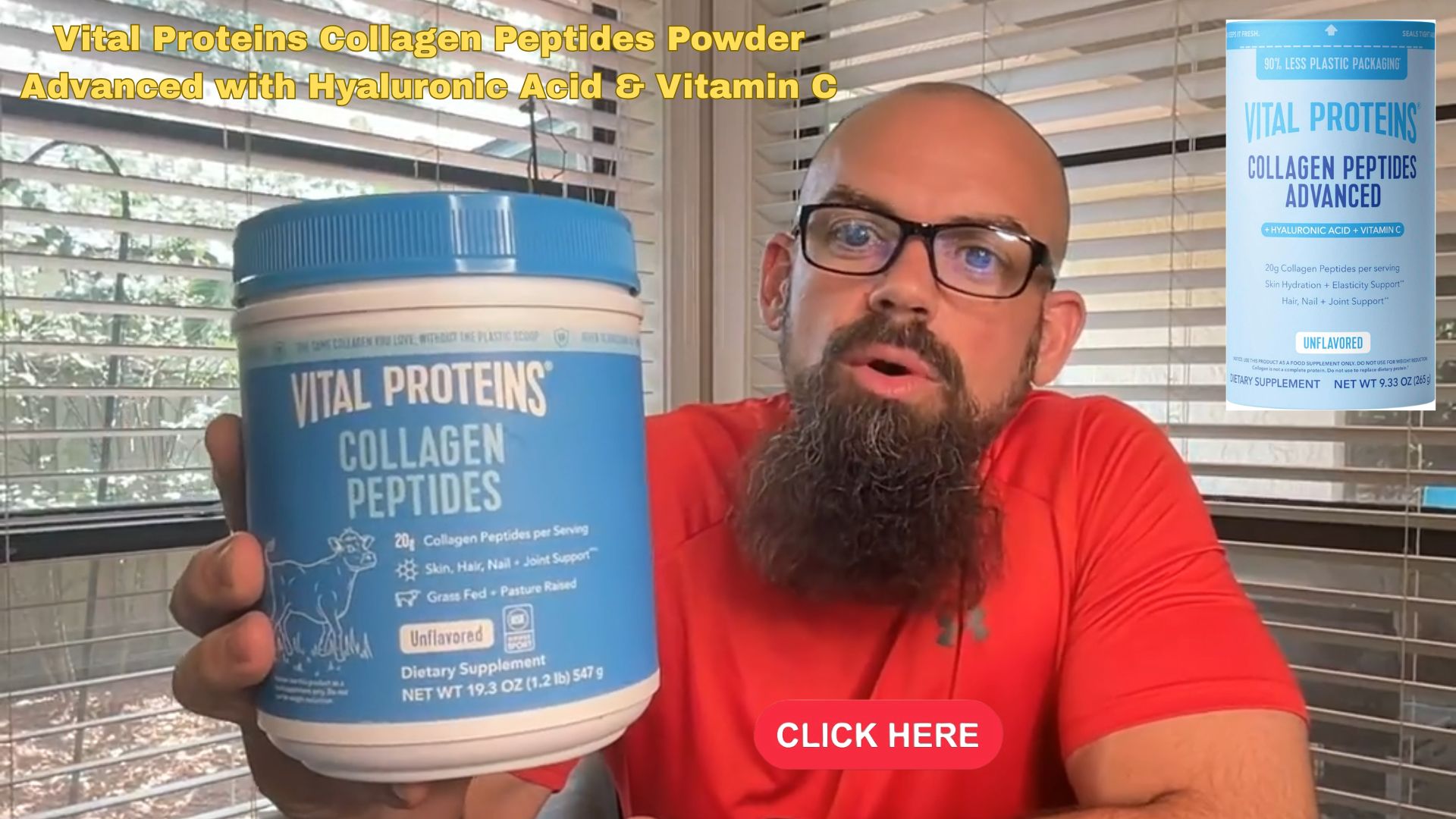
- Bone broth — contains collagen, glucosamine, and chondroitin — the same compounds found in expensive supplements, delivered in bioavailable, delicious form.
Equally important is knowing what not to eat. Processed foods, refined sugars, trans fats, and excessive alcohol all elevate inflammatory markers in the body. If you’re dealing with persistent knee joint pain and you haven’t yet addressed your diet, consider this your most urgent starting point. You may be surprised how much discomfort fades in just two to three weeks of clean, whole-food eating.

2. Herbal & Topical Treatments: Nature’s Pharmacy for Your Joints
Long before pharmaceutical companies existed, people relied on plants to manage joint pain — and many of those ancient remedies have now been validated by modern science. Herbal and topical treatments offer a complementary approach that works in concert with dietary changes, providing faster localized relief while systemic interventions take hold. The key is knowing which plants actually work and how to use them correctly.
Boswellia serrata, also known as Indian frankincense, is arguably the most impressive herb for knee pain supported by clinical research. Studies have found that Boswellia extract significantly reduces pain and improves physical function in people with knee osteoarthritis — in some trials, within as little as seven days. It works by inhibiting 5-LOX, an enzyme that drives a specific inflammatory pathway directly involved in cartilage degradation. Unlike ibuprofen, which blocks COX-2 enzymes, Boswellia targets a completely different but equally important pathway, making them excellent partners when used together.
Topically, arnica gel has long been the gold standard in natural sports medicine. Applied directly to a sore, swollen knee, arnica gel reduces bruising, pain, and local inflammation effectively. It’s widely used by physiotherapists in Europe and is increasingly popular among athletes. Another powerful topical is capsaicin cream, derived from chili peppers. Capsaicin depletes a neurotransmitter called Substance P, which is responsible for transmitting pain signals — meaning regular application can gradually reduce the intensity of chronic knee pain over time. Start with a low-concentration formula and always wash your hands thoroughly after use.
Essential oils are another dimension worth exploring. Here’s what the evidence supports:
- Eucalyptus oil — contains 1,8-cineole, a compound with proven analgesic and anti-inflammatory properties; dilute with a carrier oil and massage into the knee.
- Ginger essential oil — mirrors ginger’s systemic anti-inflammatory effects when absorbed transdermally; excellent combined with a warm compress.
- Frankincense essential oil — the topical equivalent of Boswellia supplementation; calming and deeply effective on inflamed joint tissue.
- Lavender oil — primarily analgesic, making it ideal for acute flare-ups when pain intensity spikes suddenly.
Practitioner Note: Always perform a patch test before applying any topical herbal treatment to broken or sensitive skin. If you are pregnant, nursing, or taking blood thinners, consult a qualified healthcare provider before beginning any herbal supplement regimen.
3. Movement as Medicine: Targeted Exercises and Stretches for Knee Recovery
Here’s a counterintuitive truth that surprises many knee pain sufferers: rest alone is rarely the answer. In fact, prolonged inactivity can weaken the muscles that support the knee joint, worsen stiffness, and accelerate cartilage breakdown. The key isn’t to avoid movement — it’s to choose the right kind of movement, at the right intensity, done consistently. Think of exercise not as something that risks aggravating your knee, but as the scaffold your joint needs to rebuild and stabilize itself.
The most critical muscles to target are the quadriceps and hamstrings, which act as dynamic stabilizers of the knee. When these muscles are weak or imbalanced, the knee joint bears disproportionate load with every step. Straight-leg raises, wall sits, seated leg extensions (at low resistance), and side-lying hip abductions are all beginner-friendly exercises that build meaningful quad and glute strength without compressing the knee joint. Over time, as pain decreases, you can progress to mini squats, step-ups, and resistance band work.
Equally vital is flexibility work. Tight hip flexors, IT bands, and calf muscles all alter knee mechanics in subtle but damaging ways. Daily stretching — particularly a gentle kneeling hip flexor stretch, standing calf stretch against a wall, and supine hamstring stretch — can dramatically reduce the strain placed on the knee during normal walking. A foam roller used on the IT band and outer quad is one of the most effective tools for releasing tension that feeds into knee pain. Yoga practices like yin yoga, which involves long-held passive stretches, are especially beneficial for restoring range of motion without loading the joint.
Low-impact cardiovascular activities deserve special mention here. Swimming, water aerobics, and cycling allow you to maintain cardiovascular health and joint lubrication — synovial fluid circulates through joint cartilage during movement, not rest — without the impact forces that aggravate sensitive knees. Even a 20-minute daily walk on a soft surface can make a measurable difference in pain levels within weeks. The message is clear: move smarter, not less.
4. Hot & Cold Therapy, Compression, and Restorative Home Practices
Sometimes the most effective remedies are also the simplest. Thermotherapy and cryotherapy — better known as heat and ice — have been used for centuries to manage joint pain, and their mechanisms are well understood. The key is knowing when to use each one. As a general rule: use ice for acute pain, swelling, and inflammation (especially within the first 48–72 hours after an injury or flare-up); use heat for chronic stiffness, muscle tension, and soreness that isn’t accompanied by visible swelling.
A reusable gel ice/heat pack applied to a swollen knee for 15–20 minutes several times daily can significantly reduce inflammation by constricting blood vessels and slowing the release of inflammatory mediators. Never apply ice directly to skin, as this risks frostbite. For heat therapy, a warm wheat bag or electric heating pad applied for 15–20 minutes before movement helps relax the surrounding muscles, improve circulation, and ease the morning stiffness that arthritis sufferers know all too well. Contrast therapy — alternating cold and warm in cycles — is particularly effective for improving circulation and reducing chronic joint inflammation.
Compression and elevation round out the classic RICE protocol for good reason. A quality copper-infused compression knee sleeve reduces swelling by encouraging lymphatic drainage and providing proprioceptive feedback that helps stabilize the joint. The mild warmth they generate is an added comfort bonus. Elevating the leg above heart level whenever you’re seated or lying down reduces fluid accumulation in the joint space — a simple but chronically underused technique.
Don’t overlook the role of sleep and stress management in your recovery. Cortisol, the body’s primary stress hormone, actively promotes inflammation — meaning chronic psychological stress can make knee pain measurably worse. Practices like diaphragmatic breathing, progressive muscle relaxation, and even five minutes of daily meditation have been shown to lower systemic inflammation markers. Treat quality sleep as part of your knee healing protocol, not a luxury.
5. Supplements, Weight Management & Lifestyle Habits That Accelerate Healing
Natural healing isn’t just about what you apply to a knee or which exercises you do — it’s also about the internal environment you create in your body. Glucosamine and chondroitin, often sold together, are among the most studied joint supplements: they appear to support cartilage structure and reduce pain in moderate-to-severe knee osteoarthritis, though results vary between individuals. Collagen peptides — specifically Type II collagen — have also shown promise for reducing knee joint discomfort and stiffness.
Omega-3 fatty acid supplementation (fish oil at 2–3g EPA/DHA per day) remains one of the most consistent performers in the research literature for reducing joint inflammation. Vitamin D deficiency has been independently linked to increased knee pain and faster cartilage loss — and deficiency is epidemic in populations that spend most time indoors. Getting your Vitamin D level tested and supplementing accordingly (typically 2,000–4,000 IU daily) is a low-cost, high-impact intervention many people overlook entirely. Magnesium glycinate rounds out this core supplement stack by supporting muscle relaxation and reducing the muscular tension that often accompanies knee joint problems.
Perhaps no lifestyle factor is as immediately impactful as body weight. Research has shown that for every pound of body weight, the knee experiences roughly four pounds of force during normal walking — and up to six times body weight during activities like stair-climbing. Even a modest reduction of 10–15 pounds can produce a dramatic decrease in knee pain, particularly in those with osteoarthritis. Combining the anti-inflammatory dietary pattern described earlier with regular low-impact movement creates a powerful synergy for both weight management and joint healing.
Conclusion
Healing knee pain naturally is absolutely achievable — but it requires a multi-pronged, patient approach. No single remedy works in isolation. The most transformative results come from combining anti-inflammatory eating with targeted supplementation, consistent low-impact movement, herbal and topical treatments, and smart physical recovery practices like hot/cold therapy and compression. Each element reinforces the others, creating a cumulative healing effect that medication alone often cannot replicate. The journey may take weeks or months depending on your specific condition and how consistently you apply these strategies, but the evidence is clear: your body has remarkable regenerative capacity when you give it the right tools. Start with one or two changes, build momentum, and let nature do what it does best.
Frequently Asked Questions
How long does it take for natural remedies to relieve knee pain?
It depends on the severity and cause of the pain. Topical treatments like arnica gel or ice therapy can provide relief within hours. Dietary changes and supplements like turmeric or Boswellia typically show noticeable improvement within 2–6 weeks of consistent use. Strengthening exercises usually produce meaningful results over 4–8 weeks. Patience and consistency are the most important ingredients.
Can natural remedies replace medical treatment for knee pain?
For mild to moderate chronic knee pain — such as early-stage osteoarthritis or overuse injuries — natural remedies can be highly effective as a primary approach. However, for severe structural damage, torn ligaments, meniscus tears, or pain following trauma, natural remedies work best as a complement to medical care, not a replacement. Always get a proper diagnosis before self-treating persistent or worsening knee pain.
Is walking good or bad for knee pain?
Generally, gentle walking is beneficial for knee pain. It stimulates synovial fluid circulation (which nourishes cartilage), maintains muscle strength, and prevents stiffness. The key is surface and intensity: flat terrain, proper footwear, and shorter duration (15–30 minutes) are recommended when pain is present. Avoid steep hills or hard concrete initially. If walking significantly worsens pain, stop and consult a physiotherapist.
What is the single most effective natural remedy for knee pain?
If forced to choose one, most integrative medicine practitioners and physiotherapists would point to targeted strengthening exercises — particularly for the quadriceps and glutes. Strong supporting muscles reduce joint load more effectively than any supplement or topical treatment. However, combining exercise with an anti-inflammatory diet amplifies results significantly and represents the most powerful natural approach overall.
Are there natural remedies safe for seniors with knee arthritis?
Yes — in fact, natural approaches are often preferred for older adults due to the side-effect profiles of long-term NSAID use (such as GI bleeding and kidney strain). Turmeric, omega-3s, Vitamin D, gentle aquatic exercise, and heat therapy are all well-tolerated by most seniors. Always check with a physician regarding supplement interactions with any existing medications, especially blood thinners or diabetes drugs.