The word “natural” has become a ubiquitous label in the world of beauty and skincare, making appearances on everything from moisturizers to hair care products. For individuals searching for healthier, plant-based alternatives, the term seems appealing. However, beneath the green marketing facade lies a confusing landscape rife with misconceptions and hidden drawbacks. This article takes a candid and evidence-based approach to explore the surging popularity of natural skincare and the unspoken truths that several brands conveniently overlook. We will debunk widespread marketing myths, clarify ambiguous terms, point out regulatory shortcomings, and clarify why “natural” doesn’t always equate to safer or superior options. Finally, we will provide practical guidance on how to interpret labels and make informed choices, ensuring you reap the authentic benefits of botanical skincare without falling prey to exaggerated claims.
The Surge of Natural Skincare
Not too long ago, the beauty industry was heavily characterized by synthetic components and artificially formulated products. Around 2010, only about 3% of new cosmetics were advertised as “all-natural.” Now, that figure has jumped to approximately 10% of the beauty market, demonstrating a significant industry shift and accounting for nearly 29% of growth in the sector. Today, nearly 40% of consumers show a preference for products made with natural ingredients. So what exactly spurred this natural skincare boom?
Factors Behind the Natural Trend
Multiple factors have converged to drive the heightened interest in natural skincare:
-
Health Concerns: Media coverage highlighting the potential dangers of parabens, “toxins,” and unfamiliar chemical terms has created anxiety surrounding traditional beauty products. This has led consumers to seek out products with shorter, more recognizable ingredient lists, filled with oils and herbal extracts that are perceived as safer alternatives.
-
Wellness and Environmental Movements: The broader wellness and eco-conscious movements have inspired consumers to seek out eco-friendly and “clean” products across all aspects of life, including their skincare routines. The preference for plant-based creams and a desire to avoid harmful chemicals have become integral components of a healthy lifestyle.
-
Influence of Social Media and Marketing: Platforms like Instagram have amplified the appeal of natural skincare through influencers and indie beauty brands promoting botanical ingredients and DIY formulations, fostering the belief that natural is inherently superior.
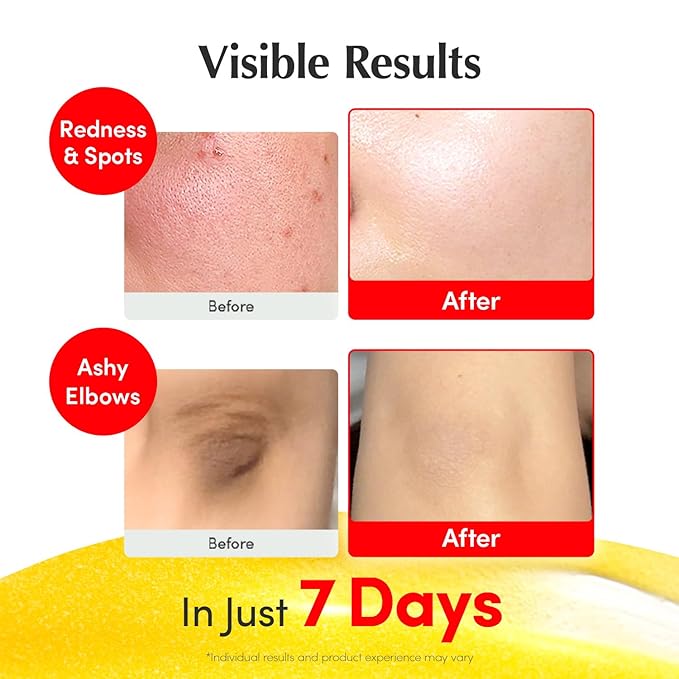
As popular brands started taking notice, they began to launch their own “nature-inspired” lines, elevating natural skincare from a niche category to a mainstream phenomenon during the 2010s. While this shift has encouraged consumers to be more mindful of ingredient origins, it has also caused confusion with a barrage of dubious claims and poorly defined terminology.
Understanding Greenwashing in Skincare
Greenwashing involves overstating how natural or eco-friendly a product is. An example of this occurred with the Australian brand Bondi Sands, which labeled its sunscreen as “reef-friendly” despite containing ingredients harmful to coral reefs—a term that lacks an official definition. This scenario exemplifies greenwashing: using appealing labels that lack regulatory backing.
Greenwashing tactics can come in various forms, including:
- Attractive imagery featuring leaves or plants on packaging.
- Vague terms like “pure” or “eco-friendly” that lack supporting evidence.
- Highlighting one natural ingredient while obscuring a host of synthetic components.
To steer clear of greenwashing, always scrutinize vague claims and look for clear, verifiable details or third-party certifications. If a product is replete with green buzzwords but fails to explain why it is greener or healthier, proceed with caution. Unfortunately, some brands exploit nature as a marketing strategy instead of a genuine formulation guideline.
Unpacking Misleading Terminology
The natural beauty movement has spawned a plethora of buzzworthy terms. Labels featuring words like “clean,” “chemical-free,” “plant-based,” and “non-toxic” are increasingly commonplace. They sound appealing—who wouldn’t want products that are clean and non-toxic? However, many of these terms lack legal or scientific definitions within cosmetics. Here’s a breakdown of some commonly misused terms:
1. The Word “Clean”
- Implied Meaning: Products are safe, non-toxic, and derived from natural sources.
- Reality: There is no strict definition for “clean.” Brands each interpret it differently, and one company’s “clean” might differ significantly from another’s.
2. “Chemical-Free”
- Implied Meaning: The product contains no chemicals, implying complete naturalness.
- Reality: This too is an impossible claim, as everything, including water, is made of chemicals. Most often, it suggests a lack of synthetic chemicals, but no standardized meaning exists.
3. “Plant-Based”
- Implied Meaning: The product is made entirely from plant sources.
- Reality: Many products termed “plant-based” still contain synthetic components, and no legal standard governs this term.
4. “Non-Toxic”
- Implied Meaning: The product is entirely safe and free of harmful substances.
- Reality: There’s no official definition for “non-toxic.” While it suggests safety, without regulatory standards, it largely serves as a marketing term.
In summary, the absence of official standards allows brands to use buzzwords rather liberally. A “non-toxic, chemical-free” label could merely mean a brand’s self-created list of avoided ingredients, without any testing validating its safety. Regulatory bodies in various regions—including the UK, EU, and US—are not strict about policing these terms. As long as they aren’t blatantly misleading, companies can easily use labels like “natural,” “clean,” or “hypoallergenic” with minimal proof.
Regulatory Shortcomings in the Cosmetic Industry
One significant reason why misleading terms are rampant is due to unclear definitions and inconsistent regulations governing cosmetic products. In both the US and EU/UK, terms like “natural” lack official definitions within cosmetic law. Consequently, companies can freely label their products as “natural” without meeting specific benchmarks.
In the US, the FDA largely permits manufacturers to self-regulate the terminology they use, provided the product is deemed safe and not misbranded. The FDA does not require approval for claims of “natural,” except for products with the USDA-certified organic seal, which few cosmetics meet.
In contrast, UK and EU regulators do enforce marketing to be truthful and evidence-based, prohibiting claims of miraculous effects without data. However, the EU and UK still lack an explicit definition of “natural cosmetics.” Industry organizations have introduced voluntary standards like the COSMOS certification in Europe and the Soil Association in Britain, which stipulate criteria for natural or organic cosmetics. Brands that earn certification can use those logos, providing consumers with some assurance.
However, brands that opt out of certification can still leverage terms like “natural” or “pure” in their marketing without any regulatory constraints. While the EU prohibits or restricts more than 1,300 chemicals in cosmetics for safety reasons, the US restricts only around 11. Importantly, neither regulatory framework delineates what “natural” means on a product label.
Thus, words like “natural,” “non-toxic,” and “chemical-free” largely remain marketing slogans. This regulatory gap heightens the prevalence of greenwashing, emphasizing the importance of consumer vigilance regarding product claims.
The Hidden Trade-offs of Swapping Synthetics for Naturals
Transitioning to natural ingredients can affect product performance, stability, shelf life, and even safety. Brands don’t always fully disclose these trade-offs. Some less obvious downsides to replacing synthetic components with natural ones include:
1. Shorter Shelf Life
Natural products typically lack the robust preservatives found in synthetic formulations, which means they often expire more quickly and may carry a higher risk of microbial contamination.
2. Stability Challenges
Products devoid of synthetic stabilizers can experience separation, texture changes, or decreased lather and creaminess. For instance, a sulfate-free natural shampoo might not foam adequately and could settle into layers over time.
3. Performance Concerns
In some cases, natural alternatives may not deliver the same consistent performance as synthetic versions. For instance, a plant-derived extract could vary significantly between batches, whereas the synthetic variant remains uniform and dependable.
Natural brands frequently address these issues by employing innovative packaging techniques or by advising consumers to be mindful of product use-by dates. While these drawbacks do not inherently make natural products inferior, they necessitate careful attention to product handling and consumption options.
Debunking the Myth that “Natural” Equals Safe
Probably the most significant misconception is that anything derived from nature is safe and gentle. In reality, natural does not automatically equate to safety. Numerous natural substances can cause irritation or harm, while many synthetics can be perfectly safe. It all boils down to the specific ingredient and its dosage.
Consider essential oils, often heralded in natural skincare. While they are plant-derived and fragrant, they are among the leading culprits for allergic reactions on the skin. Dermatologists have identified over 80 essential oils as potential triggers for contact dermatitis.
Conversely, some synthetic ingredients, like pure petroleum jelly, are notoriously safe. Adding preservatives like parabens, despite their negative image, has proven them to have a minimal allergic impact on most people. The essence is to evaluate ingredients based on scientific evidence instead of where they came from—whether a plant or a lab.
Never make the assumption that “natural is always gentle.” Approach natural ingredients with the same caution you would for synthetic components. Conduct patch tests and pay attention to how your skin reacts to all new products, regardless of their ingredient origins.
Making Educated Choices in the World of Natural Skincare
Navigating the claims associated with natural skincare can certainly feel overwhelming, but employing a few simple strategies can help clarify the noise:
1. Scrutinize Ingredients
If the main components of a product are synthetic or predominantly consist of water, the natural claim may be more marketing fluff than reality. The ingredient list serves as a reliable gauge of what truly resides within a product.
2. Seek Out Certifications
Look for reputable certification logos, such as COSMOS Organic or USDA Organic seals. These signify that independent entities have verified the product meets stringent natural or organic standards.
3. Perform Patch Tests
Even natural products can provoke allergic reactions. Always test new products on a small patch of skin prior to applying them in broader areas to minimize risk and potential skin irritation.
By remaining informed and maintaining a scientific viewpoint, you can reap the benefits of natural skincare without getting caught in exaggerated marketing claims. Embrace your plant-driven serums and herbal creams, but do so with knowledge in hand. By performing due diligence and cultivating a critical perspective, you can create a skincare routine that remains true to your natural intentions with results you can trust.