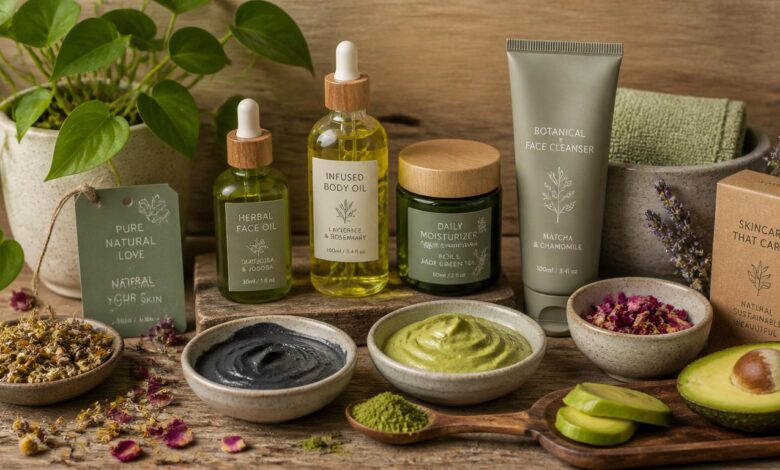
Understanding the “Natural Skincare” Trend
Let’s dive into the concept of “natural skincare.” Lately, it feels as if everyone is promoting products that claim to be pure and plant-based, but many are filled with synthetic additives, harsh preservatives, and ambiguous ingredients that don’t provide clear information about their origins. It’s frustrating to see brands confidently label themselves as “clean,” implying that a mere drop of rosewater or a dash of green tea powder justifies including polyethylene glycols, silicones, or unknown fragrances.
For those with sensitive skin, this kind of misleading marketing can lead to adverse reactions. It’s alarming how companies market their products as “natural” when they clearly fall short of that standard. Let’s explore what you’re actually getting in these so-called natural products and what you should look for instead.
What’s Hidden in So-Called Natural Products
Taking a closer look at the labels of these “natural” creams often reveals some surprising ingredients:
Ingredients to Avoid in “Natural” Skincare
-
Phenoxyethanol: This synthetic preservative is ubiquitous, even in so-called organic ranges. Although allowed in small quantities, it can trigger reactions in sensitive skin and is not derived from nature.
-
Fragrance (Parfum): This vague term can encompass a myriad of undisclosed chemicals. Even if a brand claims to have “natural fragrance,” there are no clear standards, meaning allergens or synthetic additives could be hiding within.
-
Polyethylene Glycols (PEGs): These are derived from petroleum and found in many lotions and cleansers, regardless of what the label declares about being “plant-based.”
-
Silicones: Usually labeled with suffixes like -cone or -siloxane, silicones create a smooth surface layer over the skin. While they aren’t harmful for everyone, they don’t nourish the skin and certainly aren’t natural.
-
Cetrimonium Chloride, Disodium EDTA, Triethanolamine: These lab-created ingredients provide stability to the formula but offer no skincare benefits and deviate from the natural ethos.
The Focus of True Natural Skincare
So, what should natural skincare be all about?
-
Raw Plant Oils and Butters: Ingredients like shea butter, kokum butter, camellia oil, jojoba oil, or sunflower oil nourish the skin and provide genuine benefits.
-
Hydrosols: Real flower waters such as rose, chamomile, or neroli offer gentle therapeutic qualities without additional harmful substances.
-
Herbal Extracts: These should be included in significant amounts, featuring beneficial plants like calendula, green tea, plantain, and marshmallow root rather than appearing only as marketing gimmicks.
-
Minimal Processing: Natural products should ideally be cold-pressed, unrefined, and organic whenever possible, as fewer processing steps allow the nutrients to remain intact.
A Cautionary Example of Misleading Labels
To illustrate what often appears “natural” but is anything but, consider this hypothetical product label:
Label Example: “Hydrating Day Cream with Aloe & Green Tea – 98% Natural”
Ingredients: Aqua (Water), Glycerin, Caprylic/Capric Triglyceride, Cetearyl Alcohol, Glyceryl Stearate, PEG-100 Stearate, Aloe Barbadensis Leaf Juice, Camellia Sinensis (Green Tea) Leaf Extract, Phenoxyethanol, Ethylhexylglycerin, Carbomer, Parfum (Fragrance), Disodium EDTA, Sodium Hydroxide.
Ingredient Breakdown:
Aloe and green tea are indeed present, but they’re overshadowed by a list of emulsifiers, synthetic preservatives, and vague fragrances.
-
PEG-100 Stearate: A synthetic emulsifier, made from ethylene glycol (the same base used for antifreeze), is not a natural component.
-
Phenoxyethanol & Ethylhexylglycerin: Commonly used synthetic preservatives that may lead to skin sensitivity.
-
Carbomer: A synthetic thickening agent; while not strictly harmful, it is far from plant-based.
-
Parfum: A broad term that doesn’t assure clarity or safety regarding its contents.
-
Disodium EDTA & Sodium Hydroxide: These are also synthetic, included for stabilization and pH adjustment.
While aloe and green tea feature in the formula, the bulk consists of cheap synthetic ingredients, and the claim of being “98% natural” lacks genuine transparency, as brands often don’t clarify their calculation methods.
An Ideal Real Natural Product
Now, let’s contrast that with a label that exemplifies authenticity:
Label Example: “Calming Face Cream with Calendula & Rosehip”
Ingredients: Rosa damascena flower water (rose hydrosol), Calendula officinalis flower extract (calendula infusion), Butyrospermum parkii butter (shea butter), Simmondsia chinensis oil (jojoba oil), Rosa canina fruit oil (rosehip oil), Cetearyl alcohol (plant-derived), Glyceryl stearate (from coconut oil), Tocopherol (vitamin E, non-synthetic), Leuconostoc/radish root ferment filtrate (natural preservative), Citric acid (from fruit).
Why This Works:
-
Botanical Ingredients: Every component is plant-based, authentic, and free from synthetic additives.
-
Naturally Derived Emulsifiers: Uses Cetearyl alcohol and Glyceryl stearate derived from coconut or palm, suitable for natural formulations.
-
Natural Preservation: Leuconostoc/radish root ferment acts as a bio-preservative recognized in certified organic cosmetics.
-
Natural Scent: The fragrance arises from the rose hydrosol and calendula, eliminating synthetic scent ingredients.
-
No Fillers or Synthetics: Contains only beneficial ingredients without fillers that do not contribute to skincare.
Recognizing Truly Natural Formulations
To simplify finding genuine natural skincare, keep these guidelines in mind:
Indicators of Authentic Natural Products
-
Shorter Ingredient Lists with Recognizable Names: Legitimate products will have fewer but identifiable ingredients.
-
Use of Latin Names: Pairing Latin (INCI) names with common names provides clear identification, avoiding vague nomenclature.
-
Absence of Unclear Terms: Products should not contain the term “fragrance” or unnecessary colorants.
-
Hydrosol Usage: If water is present, it should often be in the form of hydrosols or herbal infusions rather than just plain water.
-
Natural Preservation Methods: Look for natural preservatives like plant ferments, essential oils, or organic acids instead of synthetic options like phenoxyethanol.
Why This Information Matters
For those with sensitive skin, conditions like eczema or rosacea, using the wrong skincare can trigger a cascade of irritation. Surprisingly, many people shift to “natural” skincare to reduce irritants only to discover that they have introduced a new set of complications from the products they trusted.
Consequences of Unreliable Formulas
-
Compromised Skin Barrier: Synthetic emulsifiers and preservatives can disrupt your skin’s natural microbiome.
-
Unexplained Irritation: When products simply list “fragrance” or “natural origin,” it becomes difficult to understand your reactions.
-
Self-Doubt About Skin: Misleading formulations can make you question your skin rather than the product causing the issue.
Situations can escalate quickly, especially for those dealing with inflammation, allergy concerns, or triggers they are attempting to avoid. Being discerning isn’t mere preference; it’s essential for maintaining the health of your skin.
How to Read Skincare Labels Effectively
Once you recognize the pitfalls, it’s crucial to understand how to protect yourself by reading labels wisely, separating marketing hype from genuine ingredients.
What to Disregard
Focus on ignoring:
-
Buzzwords like “Plant-based”: Just one extract qualifies. It doesn’t equate to a clean formula.
-
“Non-toxic” and “Hypoallergenic”: These terms are not legally defined, and their implications can be misleading.
-
“Fragrance-free”: Products claiming to be fragrance-free can still contain agents that mask scents.
-
“Natural origin”: This term can include synthetic components that are derived from plants.
-
“Key Ingredients” Lists: Just because a few plant extracts are highlighted doesn’t mean they comprise the bulk of the product.
What to Focus On
Instead, concentrate on the following:
-
Reviewing the Full INCI List: The first several ingredients typically make up the bulk of the product your skin absorbs.
-
First Ingredient Analysis: If the first ingredient is water, check if it’s a hydrosol. If not, question whether it’s truly “natural.”
-
Recognizability of Ingredients: A genuine product should primarily contain plant-based names you can understand and pronounce.
-
The Position of Preservatives: Chemicals like phenoxyethanol and PEGs should not dominate the ingredients list in a natural product.
-
Essential Oils Clarity: Essential oils should be explicitly named, with caution exercised if the product also lists “fragrance.”
Skincare should never feel like a guessing game. You deserve transparency and effectiveness.
Identifying Greenwashing Tactics
While not all brands mislead, many use strategic marketing to make products seem safer while incorporating synthetics, irritants, and fillers.
Common Tactics to Watch For
-
Nature Imagery: Products might feature soft green packaging with botanical names, while their formulas contain high percentages of water and synthetic additives.
-
“Free From” Labels: Claims about removing certain harmful components may distract you from significant synthetic content still present.
-
Overstating Natural Origin: Products that claim to be almost entirely natural can still contain a host of preservatives and stabilizers, making the claim misleading.
-
Misleading Marketing: Labels like “infused with calendula” might lead you to believe you’re getting a robust dosage, while the actual useful ingredient is only in minute amounts.
-
The Use of “Fragrance”: The term lacks clear regulations, allowing brands to conceal synthetics in the guise of “natural fragrance.”
Building a Truly Natural Skincare Routine
You don’t need a vast array of products to achieve effective skincare. Focus instead on treating your skin gently, supporting its barrier, and utilizing items that genuinely nourish.
Here’s a simple yet impactful three-step routine to get you started:
1. Moisturizing Oil or Balm
Opt for a cold-pressed, unrefined oil that suits your skin type:
-
For Dry or Mature Skin: Consider options like camellia oil, rosehip oil, shea butter, or kokum butter.
-
For Oily or Acne-Prone Skin: Jojoba, hemp seed, or grapeseed oils are excellent choices.
-
For Sensitive or Reactive Skin: Try apricot kernel oil or calendula-infused oil.
You don’t need a blend of many oils; one or two effective options will work wonders.
2. Choose a Gentle Cleanser
Avoid foaming cleansers that contain sulfates or synthetic surfactants. Instead, consider:
-
Oil Cleansing: Using oils like sunflower or jojoba oil can be effective and nourishing.
-
Cream Cleansers: Opt for gentle, natural cream cleansers featuring minimal ingredients.
-
DIY Solutions: If you prefer a zero-waste approach, milk-based or honey-free cleansers can be a viable option.
Your skin should feel calm and balanced post-cleansing, not tight or inflamed.
3. Water-Based Botanical Products
Hydrosols and flower waters can greatly benefit your skincare routine. Look for:
-
Rose Hydrosol: Great for hydration and calming.
-
Chamomile Hydrosol: Known for its gentle soothing properties.
-
Witch Hazel: Beneficial as an astringent, just ensure to select alcohol-free versions.
-
Lavender Hydrosol: Provides mild balancing and refreshing effects.
Use these after cleansing, before oils, as they help hydrate, balance pH levels, and promote better ingredient absorption.
Ingredients and Products to Avoid
Be cautious of:
-
Long Lists of Synthetic Ingredients: Avoid products filled with stabilizers, emulsifiers, and preservatives that aren’t clear.
-
Ambiguous Product Descriptions: Anything boasting “natural” that doesn’t disclose the full ingredient list should raise red flags.
-
Fragrance or Parfum as a filler term can indicate a lack of transparency.
-
Products Promising Too Much: Remember, your skin thrives on consistency rather than miracles.
In Conclusion
If an ingredient list is concise, clear, and comprised of real plant-based components, you’re already on the right path. Keep yourself informed and don’t be distracted by fancy marketing. Starting with a select few effective products will let your skin adjust over time.
Ultimately, the reality is that much of what is marketed as “natural skincare” falls short of the true definition. If you’ve ever felt misled or frustrated by these products, know that you’re not alone. Educating yourself on how to read labels, understanding the ingredients you trust, and disregarding the noise are keys to navigating this landscape.
You don’t need to be swept away by hype; what you truly need is transparency. Once you make informed choices that align with your skin’s actual needs, the process becomes simpler, and your skin finally gets the opportunity to thrive.