Setting the Record Straight on Skincare Myths
After years of developing organic skincare products and witnessing the persistent spread of misinformation, I feel compelled to clear the air. Many skincare myths are more than just harmless exaggerations; they might be harming your skin, draining your wallet, and causing unnecessary worry. So please, take a moment to relax with your favorite beverage while I share my thoughts on the skincare misconceptions that truly frustrate me.
Myth 1: The Skincare Industry Prioritizes Your Skin
Let’s set the record straight: the skincare industry is more focused on profits than your skin’s health. While countless brands market their products with promises of miraculous results, their underlying goal is to keep you buying the latest trends, not to achieve your long-term skincare goals.
Understanding the Marketing Strategies
The marketing techniques employed are often designed to keep you hooked. Brands may include popular ingredients in minuscule amounts just so they can flaunt them on their labels. For instance, you might see “with hyaluronic acid” on a product that contains a mere 0.01%, while you really require at least 1% to experience its benefits.
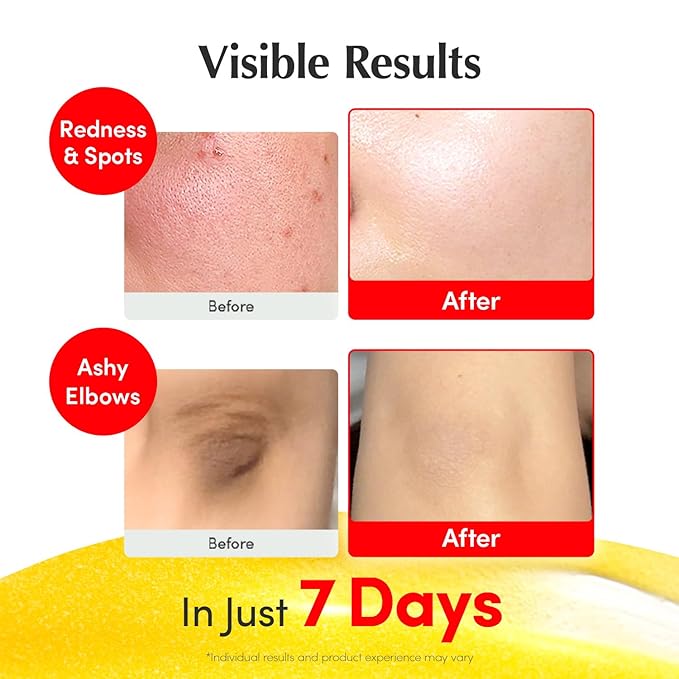
They cleverly manufacture new “problems” that you didn’t know you had. You might suddenly feel compelled to purchase an “eye cream for millennials” or a serum for “tech neck.” Seriously, are we that easily swayed?
The constant pressure to buy the latest product can make anyone feel inadequate about their current skincare routine. Each month brings new launches, new “breakthrough” ingredients, and innovative solutions to issues you never thought you had. It’s time to break free from this cycle of consumerism.
The Deceptive Clean Beauty Trend
Now, let’s chat about “clean beauty.” This trend is among the biggest marketing ploys in the skincare industry. Brands often package gimmicky formulas labeled as “clean” and charge exorbitant prices, even though they often utilize the same age-old formulations that have been around for decades. The truth is simple: basic and effective ingredients are what truly work.
Effective Ingredients That Matter
Curious about what works? It’s often the more traditional, proven ingredients that have stood the test of time. Here are a few that you should consider:
-
Zinc Oxide: A mineral sunscreen that effectively blocks both UVA and UVB rays. It’s gentle on the skin and remains a gold standard for solar protection.
-
Bakuchiol: Derived from the Psoralea corylifolia plant, this is a gentler alternative to retinol known to improve fine lines, pigmentation, and elasticity without causing irritation.
-
Aloe Vera: Renowned for its soothing and hydrating properties, scientific studies back its efficacy in skin healing and irritation relief.
-
Green Tea Extract: This powerhouse is rich in antioxidants and has anti-inflammatory properties, linked to reducing UV damage while calming redness.
-
Rosehip Seed Oil: Packed with vitamin C, vitamin A, and essential fatty acids, this oil supports skin barriers while brightening and promoting overall skin health.
These ingredients may not grab attention on social media, but they deliver effective results. A quality natural SPF cream is perhaps the most crucial “anti-aging” product you can invest in.
Recognizing Manipulative Marketing
When navigating the skincare landscape, watch out for these red flags:
- Frequent launches with “groundbreaking” ingredients.
- Overly edited before-and-after photos.
- Celebrity endorsements that don’t come from true skincare experts.
- Products promising to solve all your skin issues.
- Urgency in purchasing with limited-time offers.
A trustworthy brand prioritizes education and realistic approaches over instilling feelings of inadequacy.
Myth 2: Anti-Aging Equals Eliminating Wrinkles
The term “anti-aging” is a total misnomer. It implies that aging is something to be fought against, something to be embarrassed about. This leads to unrealistic expectations about what skincare can genuinely achieve.
The Reality Check on Skincare
The unfortunate truth is that no cream can truly wipe away wrinkles—regardless of price. High-end products don’t have a magic formula to reverse time, and that £200 or $1,000 cream won’t deliver what it promises. Skincare can enhance your skin’s health, slow down some damage, and help you present the best version of yourself, but it cannot turn back the clock.
Breaking the Cycle of Disappointment
Every time someone splurges on the “miracle serum” and sees no results within weeks, they often blame themselves. This is not a fault of the user; rather, it reflects deceptive marketing practices. Keep in mind that skincare doesn’t erase lines or magically make mature skin appear youthful.
What Skincare Can Do
Effective skincare can:
- Prevent Damage: Consistent use of SPF shields against further UV damage.
- Provide Antioxidant Protection: Safeguard against environmental stressors.
- Moisturize: Prevent dehydration lines from forming.
- Encourage Gentle Exfoliation: Assist with natural cell turnover.
- Support Skin Repair: Help enhance texture and hydration, and balance out pigmentation from past damage.
What Skincare Cannot Do
Understand that skincare cannot:
- Erase deep wrinkles (these typically require surgical or injection interventions).
- Alter genetics or turn 50-year-old skin into that of a 20-year-old.
- Replace professional methods for serious skin concerns.
Healthy skin often belongs to those who:
- Started sun protection early in life (or at the very least, made it a priority).
- Established a consistent routine they could commit to.
- Maintained realistic expectations for their skin.
- Focused on overall skin health rather than chasing unrealistic standards.
The Prevention Conversation
The most effective “anti-aging” regimen starts with daily SPF application—not due to concern about aging at a youthful age, but because preventing damage is far easier than trying to reverse it later.
Choose mineral filters like zinc oxide or titanium dioxide for their protective attributes, and be wary of chemical filters if your skin is prone to irritation.
Even if you’re reading this later in life, it’s never too late to protect and care for your skin. The objective isn’t to erase lines; instead, it’s about achieving healthy skin that ages gracefully.
Myth 3: If It Burns or Tingles, It’s Working
This notion is incredibly misleading; the tingling or burning you may feel is often a sign of irritation, not effectiveness. Unfortunately, we’ve been led to believe that discomfort equates to efficacy.
The Social Media Conundrum
Platforms like TikTok amplify this misunderstanding. Watching individuals apply ingredients like lemon juice or undiluted apple cider vinegar and experience painful reactions, yet claiming their skin is “just reacting,” is alarming. These practices can lead to chemical burns instead of skincare results.
Characteristics of Healthy Skincare
Good skincare should:
- Feel soothing or neutral upon application.
- Leave your skin comfortable within a few minutes.
- Show gradual improvements over weeks to months.
Tingling should not be your goal. Healthy skin is serene, balanced, and resilient, not red and irritated.
The pH Problem
Many of these irritations stem from users applying ingredients that have the wrong pH levels for skin. Your skin thrives at a slightly acidic pH (around 5.5). Applying highly alkaline elements, like baking soda, or overly acidic ones, like lemon juice, can lead to chemical burns rather than benefits.
When Mild Tingling Is Acceptable
Occasional mild tingling may be normal under specific conditions:
- When introducing retinoids (though it should diminish within a few weeks).
- Certain vitamin C serums (but they should never cause pain).
- Professional-grade chemical peels (which should be performed by professionals).
Again, I advocate for gentler, plant-based alternatives that complement your skin rather than overwhelm it. Even in the aforementioned situations, any tingling should be minimal and not painful.
What to Do Instead
For achieving effective skincare results:
- Start with gentle, pH-balanced formulas.
- Introduce active ingredients cautiously.
- Instantly halt use if any product causes stinging.
- Focus on hydration and repairing your skin barrier.
Your skin shouldn’t have to endure suffering to improve. Healthy skincare naturally feels good.
Myth 4: Higher Costs Equal Better Results
This mindset is one of my biggest pet peeves. The beauty industry has successfully convinced individuals that a moisturizer priced at £200 must work miracles while a £20 option couldn’t possibly compare. The truth, however, is often much different.
The Reality of Ingredients vs. Price
Sometimes, you’re merely paying for extravagant packaging, celebrity endorsements, and inflated marketing costs. The science behind the product remains unchanged regardless of whether the container is made of gold.
The Hyaluronic Acid Reality
Hyaluronic acid is celebrated for its impressive hydrating properties, capable of holding up to 1,000 times its weight in water. You can readily find an excellent hyaluronic acid serum for £15. Alternatively, you could invest £150 for something of identical concentration, simply marketed differently. The effectiveness of the ingredient is independent of the price tag.
Spotting Marketing Tricks
Be mindful of the following marketing tactics that might indicate you’re being misled:
- Outlandish promises that seem too good to be true.
- Ingredient lists that are filled with water and thickeners.
- Claims lacking clinical study support.
- Proprietary complexes that hide what’s actually in them.
- Exaggerations regarding anti-aging capabilities.
Recognizing Genuine Quality
On the flip side, here are what you should seek:
- Transparent ingredient lists.
- Documented research backing their formulations.
- Realistic claims about what the product can achieve.
- A solid concentration of active ingredients.
- An emphasis on skin health instead of promised miracles.
My Fundamental Advice
Learning to scrutinize ingredient lists empowered with knowledge is crucial in making informed decisions. The first five ingredients often reflect the majority of a product. If they consist mainly of water, glycerin, and thickeners, you’re not getting a significant return on your investment, regardless of the cost. Prioritize ingredients over price tags.
Myth 5: Your Skin Type Is Fixed
Many people assume that because a quiz labeled them with “oily skin” at age 16, they will be stuck with it for life. This notion is utterly false. Your skin’s conditions fluctuate based on age, hormones, environmental factors, diet, and countless other influences.
Understanding Skin Changes
Your skin undergoes changes throughout life:
-
Age: As you grow older, your skin produces less oil. An oily T-zone you once had may disappear in your forties.
-
Hormones: Life stages such as menstruation, pregnancy, and menopause can dramatically alter your skin’s requirements.
-
Seasons: Many find their skin oilier in summer and drier in winter—it’s quite the common experience.
-
Stress: High-stress moments can cause breakouts, sensitivity, or dullness unrelated to your usual skin type.
-
Products: Using harsh formulations may render normal skin sensitive. Overmoisturizing may also turn dry skin prone to breakouts.
When to Reassess Your Skin
Consider reevaluating your skin if:
- Products that once worked now cause irritation.
- Your skin feels different depending on the season.
- You experience significant life changes such as jobs or relationships.
- Hormonal fluctuations impact your skin.
- Your skin feels consistently uncomfortable.
Embracing a Flexible Approach
Instead of labeling yourself with a static skin type, focus on current skin needs. Right now, your skin may require:
- Increased hydration.
- Gentle exfoliation.
- Repairs to the barrier.
- Oil control.
- Support for sensitivity.
Recognize that these requirements can change frequently, reflecting the natural progression of your life.
The Secret to Healthy Skin
After unpacking these myths, let’s return to what genuinely works when it comes to skincare:
-
Consistency Over Perfection: A straightforward routine that you can maintain daily is far more effective than a complex one you abandon quickly.
-
Gentleness Over Aggression: Your skin responds better to kindness than to harsh treatments.
-
Protection Over Correction: Sunscreen and antioxidants are far more beneficial than any miracle cream.
-
Patience Over Panic: Changes in skin health may take time to manifest and won’t happen overnight.
-
Prioritize Reality Over Marketing Hype: Healthy skin doesn’t require perfection; it should reflect your own unique beauty.
Your Skincare Action Plan
Audit your skincare regimen. Are you making choices based on personal needs or social influences? Critique everything you do. Just because something is popular doesn’t mean it’s right for your skin.
Remember to patch-test new products—especially the natural ones, since they too can cause reactions. Emphasize the fundamentals: get cleansing, moisturizing, and sun protection right before diving into advanced routines.
Above all, trust your skin. It doesn’t demand your perfection; it seeks consistency, gentleness, and realistic expectations. It should feel comforted and protected, not tortured.
Adopt a mindset focused on your health rather than chasing trends or mimicking others.
The beauty industry may push the notion that skincare is overwhelming, costly, and necessitates constant vigilance against aging; I’m here to tell you otherwise. Good skincare is fundamentally about forming healthy habits, utilizing gentle ingredients, and embracing realistic expectations. Everything extraneous is merely noise. Trust your skin, trust the journey, and steer clear of misinformation on social media.