The Truth About Natural Skincare: What You Need to Know
Understanding the “Natural Skincare” Trend
Let’s dive into the popular trend of natural skincare. It’s disheartening to see people investing in products that are marketed as clean and plant-based, yet are filled with synthetic additives, harsh preservatives, and vague ingredients. What irks me the most are the bold claims made by brands that label themselves as clean, especially when they mix a small amount of natural ingredients with dubious fillers. Adding a hint of rosewater or a dash of green tea doesn’t justify including PEGs, silicones, or unknown fragrances. And don’t even get me started on the misleading notion of “coconut-derived” ingredients—it’s not just deceptive; it’s lazy marketing.
Sadly, individuals with sensitive skin often pay the price for these marketing gimmicks. The truth is that many products advertised as “natural” are far from it, and it’s essential to peel back the layers and uncover what these products really contain.
This post contains affiliate links. If you make a purchase through my links, I may receive a small commission at no additional cost to you. I only recommend products I truly believe in.
What’s Actually in Natural Products?
When you take a closer look at the ingredients in these “natural” creams, you might be surprised to find a host of synthetic components that have no place in true natural skincare. Here’s a breakdown of some of the most common offenders:
Common Unwanted Ingredients
-
Phenoxyethanol: This synthetic preservative can appear even in supposedly organic products. While it might be allowed in small quantities, it can provoke reactions in sensitive skin.
-
Fragrance (Parfum): This ambiguous term can mask numerous undisclosed chemicals. Even so-called “natural fragrances” lack a clear definition and may contain allergens or artificial additives.
-
PEGs (Polyethylene Glycols): Derived from petroleum, these compounds are used to thicken or soften products. You might find them included in lotions or cleansers, even those branded as plant-based.
-
Silicones: Ingredients ending in -cone or -siloxane offer a smooth texture but create an artificial barrier over your skin. While they may not harm everyone, they certainly are not natural and do not provide nourishment.
-
Cetrimonium Chloride and Disodium EDTA: These lab-created elements stabilize the formula but offer no real skin benefits and are in no way related to natural skincare.
What Real Natural Skincare Should Include
Instead of relying on the above components, authentic natural skincare should prioritize the following:
-
Raw Plant Oils and Butters: Think of nourishing choices like shea, kokum, camellia, jojoba, or sunflower oils. They provide genuine benefits and nourish your skin rather than just filling it.
-
Hydrosols: True flower waters such as rose, chamomile, or neroli offer mild therapeutic properties without added junk.
-
Herbal Extracts: Not simply for marketing, these should be included in substantial amounts, like calendula, green tea, plantain, and marshmallow root.
-
Minimal Processing: Look for cold-pressed, unrefined, and organic options when possible. The fewer the processing steps, the more nutrients are retained.
Example of a Misleading Product
Consider a product that advertises itself as “Hydrating Day Cream with Aloe & Green Tea – 98% Natural.” The ingredients may include:
- Aqua (Water)
- Glycerin
- Caprylic/Capric Triglyceride
- Cetearyl Alcohol
- Glyceryl Stearate
- PEG-100 Stearate
- Aloe Barbadensis Leaf Juice
- Camellia Sinensis (Green Tea) Leaf Extract
- Phenoxyethanol
- Ethylhexylglycerin
- Carbomer
- Parfum (Fragrance)
- Disodium EDTA
- Sodium Hydroxide
At first glance, it might seem rich in beneficial ingredients like aloe and green tea. However, these are overshadowed by a laundry list of synthetics, preservatives, and undetermined fragrances.
Unpacking the Ingredients
-
PEG-100 Stearate: This synthetic emulsifier has a base similar to antifreeze and is definitely not natural.
-
Phenoxyethanol and Ethylhexylglycerin: Commonly used synthetic preservatives, they can provoke sensitivity.
-
Carbomer: A synthetic thickener that, while harmless, is not botanical by any means.
-
Parfum (Fragrance): This vague term could imply anything, lacking transparency and potentially hiding synthetics.
-
Disodium EDTA: A synthetic chelating agent used to stabilize formulas, contributing nothing towards skin health.
-
Sodium Hydroxide: Used to modify pH levels, it’s needed only in minute amounts, but still classified as synthetic.
The presence of aloe and green tea does not redeem the product when it is primarily composed of synthetics. Furthermore, a claim of being “98% natural” means little unless the brand clarifies how they measure that percentage, which is often absent.
The Appeal of Quality Natural Products
To show you the stark contrast, here’s an example of a true natural moisturizer:
Example: “Calming Face Cream with Calendula & Rosehip”
Ingredient List:
- Rosa damascena flower water (rose hydrosol)
- Calendula officinalis flower extract (calendula infusion)
- Butyrospermum parkii butter (shea butter)
- Simmondsia chinensis oil (jojoba oil)
- Rosa canina fruit oil (rosehip oil)
- Cetearyl alcohol (plant-derived)
- Glyceryl stearate (from coconut oil)
- Tocopherol (vitamin E, non-synthetic)
- Leuconostoc/radish root ferment filtrate (natural preservative)
- Citric acid (from fruit)
Why This Formulation Stands Out
-
100% Botanical Ingredients: Everything listed is derived from plants with no synthetics or ambiguous terms.
-
Naturally Derived Emulsifiers: Cetearyl alcohol and glyceryl stearate can both be derived from coconut or palm sources, accepted in organic formulations.
-
Natural Preservation: Radish root ferment acts as a bio-preservative that’s acceptable in certified organic cosmetics.
-
No Fragrance: The scent arises naturally from the rose hydrosol and calendula, adding to its authenticity.
-
No Silicones, PEGs, or Fillers: This product feeds your skin without artificially enhancing the texture.
How to Identify True Natural Skincare Products
Finding a genuinely natural product can feel overwhelming, but here are some tips.
Shorter Ingredient Lists
One simple way to gauge a product is by looking at ingredient length. The shorter the ingredient list with recognizable names, the better.
Recognizable Names
Check for Latin (INCI) botanical names alongside common names. Whenever you see obscure terms or jargon, ask yourself why.
What to Avoid
- Steer clear of vague terms like “fragrance” or unnecessary colorants.
- If water is included, ideally it should be a hydrosol or herbal infusion.
- Ensure preservatives come from plant sources, such as essential oils or organic acids.
Understanding the Importance of Transparency
If you have sensitive skin, eczema, or even just occasional irritation, you understand the struggle of finding the right products. Many people shift to natural skincare for fewer irritants, only to end up with a new set of reactions due to hidden components in the products they trusted.
The Consequences of Synthetic Ingredient Use
When a skincare formula is not as natural as advertised, it can:
-
Compromise Your Skin Barrier: Carbonated products and synthetic preservatives can disturb your skin’s natural microbiome, leading to vulnerability.
-
Cause Untraceable Irritation: Labels often use vague terms like “fragrance,” making it hard to pinpoint the irritant.
-
Instill Doubt About Your Skin: Rather than blaming the product, it’s natural to think there’s something wrong with your skin, when in reality it’s the formulation that’s at fault.
Caution is necessary, especially when managing inflammation, histamine issues, or identifying triggers in products.
How to Decipher Skincare Labels
Once you grasp the significance of genuine natural products, the next challenge is knowing how to read labels effectively.
What to Ignore
-
Buzzwords: Terms like “Plant-based,” “Non-toxic,” “Hypoallergenic,” and “Fragrance-free” can mislead. The term “natural origin” can even encompass synthetic substances.
-
Key Ingredients Lists: While they may call attention to a few plant extracts, they tell you little about the majority of the product.
What to Actually Look For
-
Review the entire INCI list. The first 4–5 ingredients are the most telling.
-
If the first ingredient is water, prefer a hydrosol or infusion.
-
Recognizability of ingredients matters! If you can’t pronounce them, question their necessity.
-
High positions for strong preservatives should be a warning sign.
-
Essential oils should be distinctly listed. Beware if “fragrance” is also included.
Recognizing Greenwashing Techniques
While not all brands are misleading, many strategically phrase their offerings to create a sense of safety while subtly introducing synthetics and fillers.
Common Greenwashing Tactics
-
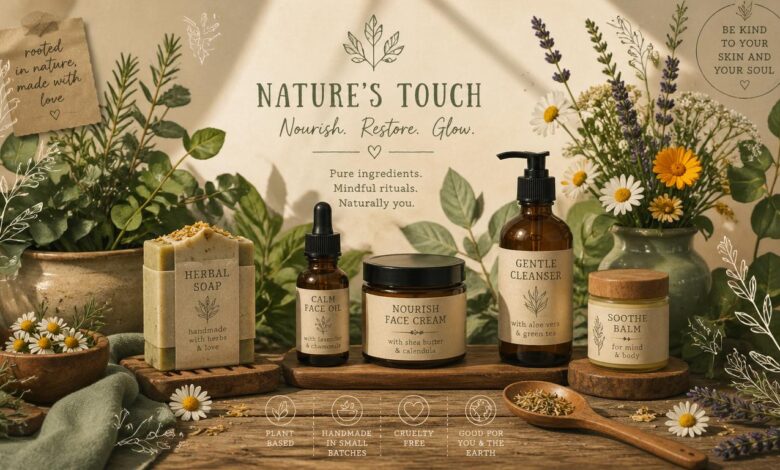
Nature Imagery: Soft green packaging, botanicals, and bold natural names can mask a formula that is mainly water and synthetics.
-
“Free From” Labels: Brands often promote themselves as “free from” certain bad ingredients while silently including countless others.
-
Nonsensical “Natural Origin” Percentages: Even if a product states it’s “99% natural origin,” it may still consist of synthetic preservatives, as that percentage includes water and base oils.
-
Marketing Wordplay: Phrasing like “infused with active ingredients” often conceals the minimal amounts included.
-
Misleading Fragrance Labels: “Natural fragrance” lacks regulation; there’s no way to know its origins.
Building Your Natural Skincare Routine
You don’t need countless products or miracle cures. If your goal is to gently treat your skin and utilize nourishing products, consider these essentials:
Step 1: Choose a Simple Moisturizer
Select cold-pressed, unrefined oils based on your skin type:
- Dry or Mature Skin: Opt for camellia, rosehip, shea, or kokum butter.
- Oily or Acne-Prone Skin: Jojoba, hemp seed, or grapeseed oil works best.
- Sensitive or Reactive Skin: Consider apricot kernel or calendula-infused oil.
You don’t need a mix of multiple oils; one or two high-quality choices are sufficient.
Step 2: Select a Gentle Cleanser
Avoid foaming washes that contain SLS or synthetic surfactants. Instead, opt for:
- Oil Cleansers: Such as sunflower or jojoba oil.
- Mild Cream Cleansers: With minimal ingredients.
- DIY Options: Contract a zero-waste approach with milk-based or honey-based cleansers.
Your skin should remain calm and not feel tight after cleansing.
Step 3: Incorporate Botanical Water
Hydrosols are excellent additions to any skincare regime. Look for options like:
- Rose: Hydrating and calming.
- Chamomile: Soothing and gentle.
- Witch Hazel: Astringent but choose alcohol-free variations.
- Lavender: Mildly balancing and refreshing.
Utilize them after cleansing to hydrate and prepare for oil absorption.
What to Avoid
- Watch out for lengthy lists of synthetic stabilizers and preservatives.
- Do not purchase products that do not disclose the full ingredient list.
Final Thoughts
If an ingredient list is short, transparent, and enriched with actual plants, you’re already ahead of the game. Steer clear of the noise, and focus on selecting fewer, higher-quality products. Give your skin time to adapt and thrive.
The Bottom Line
Sadly, most products marketed as “natural skincare” today fail to deliver true natural benefits. If you’ve ever felt overwhelmed or misled by such products, you’re not alone. Advancing through knowledge and emphasizing label interpretation will empower your choices.
In the end, simplicity and honesty are key. When you start opting for genuinely natural products, taking care of your skin becomes straightforward. You deserve products that respect your skin’s needs, allowing it to flourish naturally.