Unlocking the Benefits of Castor Oil for Aging Skin
When I first encountered the buzz surrounding castor oil as a solution for aging skin, I was filled with doubt. Thick, sticky, and lacking glamor, this ingredient didn’t initially seem appealing. However, after incorporating it into several formulations, I can confidently say it has its merits—especially for lip care and moisturizing creams. While it won’t magically erase wrinkles or replace a solid retinol regimen, castor oil offers some impressive benefits like deep hydration, skin barrier support, and gradual texture improvement. Let’s dive into how to effectively use castor oil for optimal results, because the way you apply it matters more than you might think.
Why Castor Oil is Effective for Aging Skin
Castor oil comes from the castor bean plant and is primarily composed of ricinoleic acid, which makes up about 90% of its fatty acid profile. This unique composition gives castor oil strong emollient properties, enabling it to lock in moisture and keep skin looking supple. Additionally, it contains oleic and linoleic acids—two fatty acids that support the skin’s natural lipid barrier responsible for retaining moisture and keeping irritants at bay.
Fatty Acid Breakdown of Castor Oil
- – Fatty Acid | Percentage | Primary Benefit
– Ricinoleic acid | ~90% | Deep moisturizing, anti-inflammatory
– Oleic acid | ~4% | Supports skin barrier, enhances absorption
– Linoleic acid | ~3% | Balances oil production, strengthens barrier
– Other fatty acids | ~3% | Additional nourishment
As our skin ages, its oil production tends to decrease, leading to an inability to retain moisture effectively. While castor oil doesn’t directly stimulate collagen production or reverse sun damage, it helps the skin stay hydrated and smooth, which can minimize the appearance of fine lines. Think of it as a supportive team member rather than the star player in your skincare lineup.
How to Use Castor Oil on Your Face: A Practical Guide
Mixing It with a Lighter Carrier Oil
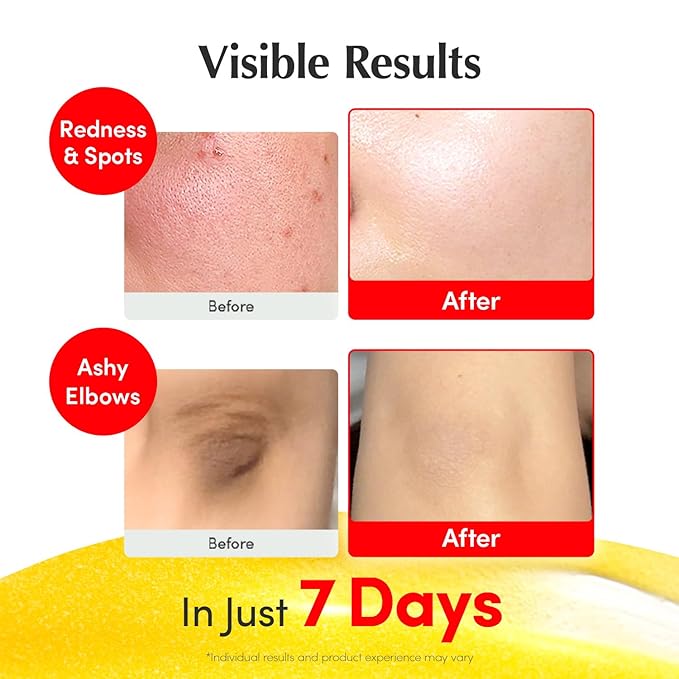
Using pure castor oil on its own can be overwhelming for most skin types due to its dense, heavy texture. To make it more user-friendly, blend it with a lighter carrier oil. Here are a few great options:
- Jojoba oil: Mimics the skin’s natural sebum for balanced hydration.
- Rosehip oil: Rich in vitamin A, it offers brightening benefits.
- Squalane: Lightweight and non-comedogenic for a silky feel.
Suggested Mixing Ratios:
- For Normal to Dry Skin: 1 part castor oil, 3 parts jojoba or rosehip oil.
- For Sensitive or Mature Skin: 1 part castor oil, 4 parts squalane.
- For Very Dry Skin: 1 part castor oil, 2 parts jojoba oil.
I keep a small amber bottle of this blend handy and apply it most nights. For those starting their journey with natural skincare, this effortless oil blend is an excellent solution.
Steps for Application
To get the best results from castor oil, applying it at the right time is crucial. Here’s a step-by-step guide:
- Cleanse Your Face: Start with a clean canvas.
- Apply Toner or Essence: This prepares your skin for hydration.
- Use Serums: Apply any concentrated formulas, such as vitamin C or peptides.
- Dab on Your Castor Oil Blend: Pat it gently onto slightly damp skin to maximize hydration.
This procedure traps moisture and gives the oil more to work with. If applied on dry skin, it may just sit there, offering minimal benefits. A pro tip: If you’re using retinol, let your skin absorb your serum first and then apply the castor oil mixture about 10 minutes later to help buffer any potential dryness or irritation.
Facial Massage with Castor Oil
One of my favorite uses for castor oil is as a facial massage oil due to its thick texture. This method is beneficial for stimulating circulation and aiding lymphatic drainage, which can help with that overly tired and puffy appearance we occasionally experience.
Simple 5-Minute Facial Massage Routine:
- Warm a few drops of your blend between your palms.
- Forehead: Sweep from the center outward towards your temples (10 strokes).
- Cheeks: Glide upward, starting from your jaw to your cheekbones (10 strokes).
- Jawline: Apply firm pressure from chin to ears (10 strokes).
- Under Eyes: Gently tap around the orbital bone using your ring finger.
Incorporating this technique 2-3 times a week can be incredibly calming, and over time, your skin will start to look brighter and more toned.
Targeting Dry Patches and Fine Lines
If you notice specific areas of dryness, such as the corners of your mouth or under your eyes, use a tiny amount of pure castor oil to spot treat these areas before bed. Just a drop is sufficient—less is more! While it won’t eliminate wrinkles, it does provide temporary plumping by locking in moisture.
The Truth About Castor Oil Eye Treatments
There’s a growing trend of applying castor oil around the eyes to reduce the appearance of crow’s feet or dark circles. While castor oil can indeed help alleviate dryness and fine lines caused by dehydration, it won’t tackle pigmentation or deep-set wrinkles.
What Castor Oil Can and Can’t Do for the Eyes
It Helps With:
- Dryness and flaking of the skin
- Fine dehydration lines
- Rough, crepey texture
- Puffiness from fluid retention
It Doesn’t Help With:
- Genetic dark circles
- Deep wrinkles from sun damage
- Loss of collagen and elasticity
To give it a try, mix 1 part castor oil with 2 parts rosehip or squalane. Gently pat a small amount around your eye area at night, taking care to avoid the actual eyes, as the oil can sting. Consistency is key, so give it a few weeks to see if you notice a difference.
Daytime Use of Castor Oil: Is It Advisable?
While you technically can use castor oil during the day, I wouldn’t recommend it under makeup. Its heavy composition can create a shiny, greasy appearance and may not blend well with most foundations or concealers.
Best Times to Incorporate Castor Oil
- Evening: Ideal time to use castor oil as skin repairs itself while you sleep.
- Mornings: Not recommended—too heavy for makeup.
- Post-shower: Yes, especially useful when your skin is still damp to enhance absorption.
- Before Bed: Perfect for maximum absorption overnight.
If you need daytime hydration, opt for lighter alternatives like rosehip or marula oil, or explore a high-quality hyaluronic acid serum. Save castor oil for your nighttime routine when your skin can fully soak it in.
Choosing the Right Castor Oil
When selecting castor oil, not all products are created equal. Look for oils that meet certain standards:
- Cold-pressed: This method retains more nutrients.
- Hexane-free: Avoid chemically extracted versions.
- Organic: Ideal if you prefer to avoid pesticide-laden products.
- Dark glass bottle: Protects the oil from degrading light exposure.
I generally opt for simple, unrefined organic castor oil from reputable brands. Some people swear by Jamaican black castor oil, which has a darker hue and a nuttier scent, often considered better for both hair and scalp health.
Results Timeline: What to Expect
Let’s be real: castor oil isn’t a miracle cure. Here’s a reasonable timeline for results:
- Weeks 1-2: Noticeably softer, more hydrated skin with less tightness.
- Weeks 3-4: Improved skin texture and suppleness.
- Weeks 6-8: Subtle plumping of fine lines and noticeable barrier function improvement.
- Week 12 and beyond: Consistent hydration and overall skin feel improvement.
While you may see hydrating effects quickly, improvements in skin texture and fine lines often require 4-6 weeks of regular use. For those seeking more dramatic results, consider pairing castor oil with other potent ingredients like retinol or peptides, which can work synergistically to maintain a strong, hydrated skin barrier.
Potential for Breakouts: What to Consider
Castor oil has a moderate comedogenic rating of about 2, indicating a possibility of clogging pores for some, particularly those prone to acne or oily skin.
Comedogenic Ratings Explained
- – Rating | Risk Level | Best For
– 0-1 | Very Low | All skin types, including acne-prone
– 2-3 | Moderate | Normal to dry skin, use with caution
– 4-5 | High | Avoid if acne-prone or oily
If you’re cautious about breakouts, always dilute castor oil with a lighter, non-comedogenic oil. Use it primarily at night in small quantities and be attentive to your skin’s reactions during the first week. If you notice new bumps or congestion, you may need to adjust your usage.
Other Uses for Castor Oil
Beyond skincare, castor oil has numerous applications:
- Cuticles and Nails: Massage into nail beds for improved health.
- Eyebrows and Lashes: Anecdotal claims suggest thicker lashes and brows.
- Dry Elbows, Knees, and Heels: An excellent remedy for rough patches.
- Lip Care: Mix with shea butter for a nourishing lip balm.
This versatile oil deserves a spot in your beauty routine for its multifaceted benefits.
Final Thoughts on Castor Oil
Castor oil isn’t a substitute for advanced anti-aging products like retinol but is a dependable ally for hydrating, softening, and fortifying your skin barrier. I see it as a steadfast worker in my skincare arsenal—not flashy but undeniably effective. So if you’re considering incorporating it into your routine, start small. Blend it with a lighter carrier oil, use it a few nights per week, and watch how your skin responds. You might just discover its hidden magic.
This post contains affiliate links. If you make a purchase through my links, I may receive a small commission at no additional cost to you. I only recommend products I truly believe in.
Have you explored the benefits of castor oil for your skin? I’d love to hear your experiences!