The Ultimate Guide to Choosing Quality Castor Oil
As a certified organic skincare formulator with nearly a decade of experience, I recognize that selecting the right castor oil can be overwhelming for newcomers. What seems intuitive to me, like identifying quality and scrutinizing labels, may not be for someone just starting out. Fear not! I’m here to simplify the process. Below, I’ve compiled the essential factors to consider when purchasing castor oil, along with insights on why many options on the market may not meet the mark. With these tips, you can make informed choices in just about 30 seconds—and trust me, it’s worth it!
Understanding the Importance of Bottle Color and Material
The Glass Bottles That Protect Your Investment
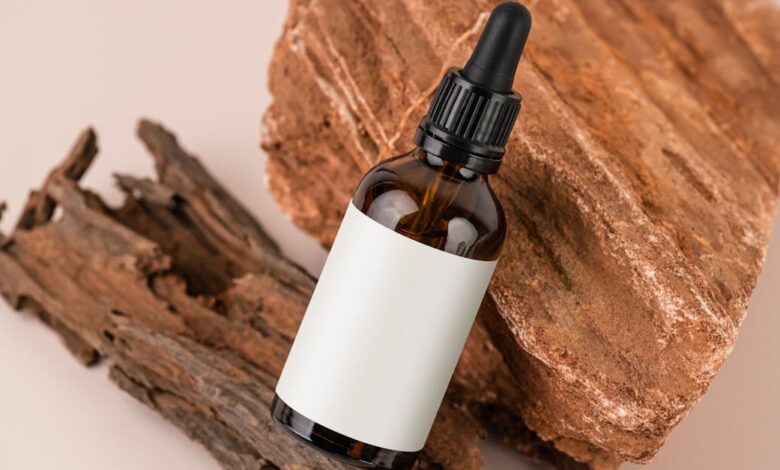
Before even opening a bottle of castor oil, the container can provide vital clues about its contents. Here’s why dark glass always reigns supreme.
Why Dark Glass Matters

Castor oil is high in ricinoleic acid, a compound beneficial for skin health but sensitive to light exposure. Studies have shown that light can significantly degrade the beneficial fatty acids in plant oils, reducing their effectiveness over time. Clear plastic bottles are particularly detrimental, as they allow light to penetrate, damaging the oil’s integrity.
What to Look For:
- Opt for dark amber or cobalt blue glass bottles.
- Choose thick glass containers; flimsy ones may crack easily.
- If possible, select UV-protective glass bottles.
I personally prefer amber glass for my castor oil—it’s not about being fancy; it’s about being smart.
Cold-Pressed vs. Expeller-Pressed: Know the Difference
When scrolling through product labels, you’ll often encounter the term “cold-pressed.” While some may use it as marketing fluff, the difference between cold-pressed and expeller-pressed oils is significant.
What Cold-Pressed Means
Cold-pressed oils are extracted at temperatures below 49°C (120°F), preserving critical nutrients and fatty acids. Conversely, expeller-pressed oils utilize mechanical pressure and can reach higher temperatures, which may destroy some healthful compounds.
Research shows that cold-pressing retains higher antioxidant levels compared to heat-based extraction.
What to Check:
- Look for the label stating “cold-pressed” or “first cold-pressed.”
- If it only mentions “pure” or “100% castor oil,” it might not be cold-pressed.
- Organic certifications often require cold-pressing, serving as a useful indicator.
From my experience as a professional formulator, I always use cold-pressed oils, especially for facial applications, as the quality is noticeably superior.
Why Hexane-Free Certification Matters
Some manufacturers utilize hexane, a petroleum byproduct, to extract more oil from castor beans. While this method is cost-effective, it leaves behind potentially harmful residues in the oil.
The Risks of Hexane
Hexane is a neurotoxin and poses significant health risks. Even trace amounts are unwelcome when applying castor oil to your skin, particularly for anti-aging purposes.
Research indicates that hexane residues can persist in oils, especially from non-organic sources.
What to Look For:
- Ensure “hexane-free” is clearly stated on the label.
- Organic certification is a good sign since it prohibits hexane usage.
- “Mechanically pressed” or “expeller-pressed with no chemicals” are also positive terms.
Labels that don’t mention hexane might not necessarily be bad, but explicit confirmation shows transparency about the manufacturing process.
The Origin of the Oil: A Tell-Tale Sign of Quality
Interestingly, where the castor oil is grown plays a crucial role in its quality.
A Look at Geographic Variations
Typically, standard castor oil comes from India, which produces around 90% of the global supply. This oil usually appears pale yellow with a mild scent. On the other hand, Jamaican black castor oil, which undergoes a roasting process before pressing, is darker and features a different fatty acid profile—with a unique toasted aroma.
The research on whether roasting improves efficacy remains limited, but anecdotal evidence suggests that Jamaican black castor oil is favored for hair growth.
What Matters:
- Indian castor oil is lighter and excellent for facial applications.
- Jamaican black castor oil offers a richer, earthier tone and is popular for hair care.
I keep both types in my personal collection, using regular castor oil for facial serums and the Jamaican variety for my scalp.
This post contains affiliate links. If you make a purchase through my links, I may receive a small commission at no additional cost to you. I only recommend products I truly believe in.
Cap Style and Contamination Risks: Don’t Overlook This Detail
You might assume that a bottle cap is the least exciting aspect of your oil purchase, but it has a significant effect on the oil’s longevity.
Why Caps Matter
Each time you open a bottle, you’re exposing the oil to oxygen and potential contaminants. The longer the bottle remains open, the faster the oil oxidizes.
Ranking Cap Types:
- Pump bottles with airless designs are the best (though they’re rare for castor oil due to its viscosity).
- Dropper bottles with rubber bulbs allow for controlled dispensing but introduce air with each use.
- Screw-tops with reducers are a solid choice, minimizing air exposure.
- Basic screw-tops are acceptable but not ideal for those who take their time using the oil.
I generally prefer bottles with a reducer cap. This clever little insert helps control the pour and minimizes air contact—essential for thick oils like castor.
Viscosity: Is Your Oil Pure or Diluted?
Authentic castor oil is notably thick—think honey or even thicker. If your castor oil pours like a liquid, something is amiss.
Characteristics of Pure Castor Oil
The thickness comes from its high levels of ricinoleic acid. If you have a bottle that seems unusually thin, it may have been diluted with cheaper oils or over-refined.
How to Check:
- Invert the bottle and observe how slowly the oil moves.
- Pour a small amount onto your hand. It should appear syrupy and feel heavy, not light and quickly absorbed.
If your oil lacks the expected thickness, it’s likely not pure. In that case, reaching out to the supplier is always a good idea; trustworthy brands will make it right.
Expiry Date: Be Mindful of Shelf Life
Just like food, oils don’t last indefinitely, and castor oil is no exception.
The Importance of Expiry Dates
Good suppliers provide clear manufacturing or expiry dates on the bottle. If such information is absent or vague, consider it a red flag.
Why It Matters:
- Castor oil will oxidize with time, losing its potency and possibly irritating the skin.
- Studies have indicated that plant oils can degrade even under ideal storage conditions, reducing their effectiveness over periods of 12 to 24 months.
What to Look For:
- A clearly marked expiry or manufacturing date on the label.
- A note that suggests using the oil within a certain time frame after opening.
To avoid using expired product, I write the opening date on my bottle with a permanent marker. It might sound nerdy, but it saves me from applying subpar oil.
Ingredient List: Pure Castor Oil, Please!
When reading the ingredient list, it should contain just one item: Ricinus communis seed oil. That’s it!
Understanding Ingredient Labels
Occasionally, you might see “vitamin E” listed as a preservative. While it can slightly extend shelf life, pure castor oil typically remains stable on its own.
Red Flags:
- Multiple ingredients listed—beware, as it may not be genuine castor oil.
- Any mention of fragrances or “parfum”—not suitable for facial use.
- Preservatives, like parabens, which aren’t needed for pure oils.
- Mineral oils or other fillers—avoid these at all costs.
If you find anything beyond castor oil on the label, question why those additions are included.
Putting It All Together: A Shopping Checklist
When you’re ready to buy (whether online or in a store), here’s a simplified mental checklist to guide you:
- Dark glass bottle? If yes, continue. If clear plastic, move on.
- Says “cold-pressed”? Great! If not, keep looking.
- Hexane-free or organically certified? Strong points in favor.
- Is the origin country indicated? Choose based on your intended use.
- Does it have a reducer cap or decent lid? Wise choice.
- Is the viscosity correct? If visible, it should flow slowly.
- Is there a clear expiration date? Excellent!
- Ingredient list only contains castor oil? Perfect.
If the bottle checks many of these boxes, you’ve probably found a winner. If not, do yourself a favor and keep searching. Your skin deserves the best.
Pricing Insights: When Cheap is Actually Expensive
I can’t wrap up this guide without addressing price, a common query.
Why Low Prices Raise Flags
While quality castor oil isn’t exorbitantly priced, extremely cheap options may be suspicious. They could be:
- Diluted with inferior oils.
- Extracted using hexane.
- Old stock that’s been poorly stored.
- Not cold-pressed, despite labeling.
What to Expect:
For a high-quality 100ml bottle of organic cold-pressed castor oil, you should anticipate paying around £8 to £15. Jamaican black castor oil is often pricier (£10 to £18 for 100ml) due to its less prevalent supply and roasting step.
If you come across a £3 bottle, definitely ask why. Likewise, be wary of offerings that charge £30 for a mere 50ml unless they’re a well-known premium brand.
My Personal Favorites: What I Use and Why
In my personal skincare routine, I always have two bottles at the ready:
For my face: Regular cold-pressed castor oil in an amber bottle with a dropper. I use it for creating anti-aging blends and combining it with other carrier oils like rosehip or argan.
For my hair and body: Jamaican black castor oil, as I prefer its heavier texture for scalp massages and find the earthy scent pleasant during hair treatments.
Both are organic, hexane-free, stored in dark glass, and include clear expiration dates. And yes, both have the viscosity of molasses when tipped.
Conclusion: Simplifying Your Selection Process
While it may feel overwhelming initially, once you’re aware of what to look for in castor oil, selecting the right bottle truly takes no time at all. Quality castor oil offers numerous benefits: from combating hyperpigmentation to enhancing overall skin health, and it’s a staple in DIY skincare recipes.
Should you find yourself puzzled by how to use castor oil effectively, there are numerous ways to maximize its potential. Remember, choosing the right castor oil can make a world of difference, so invest wisely, store it properly, and utilize it consistently for the best results.