Granny Square Crochet Patterns, Unlock the Colorful World of Classic Crochet Squares


Looking to dive into the vibrant, addictive world of granny squares? Well, you’re in for a treat! These timeless crochet motifs have been stealing hearts since the 1970s, and they’re still going strong today. Whether you’re a complete newbie or a seasoned hooker (that’s what we crocheters call ourselves!), granny square crochet patterns offer endless possibilities for creating everything from cozy afghans to trendy tote bags.
What Makes Granny Square Crochet Patterns So Darn Special?
Let’s cut to the chase—granny squares are the Swiss Army knife of the crochet world. They’re versatile, forgiving, and honestly? They’re downright fun to make. Unlike some complicated stitch patterns that’ll have you pulling your hair out, these little beauties are incredibly beginner-friendly while still offering enough variety to keep experienced crocheters on their toes.
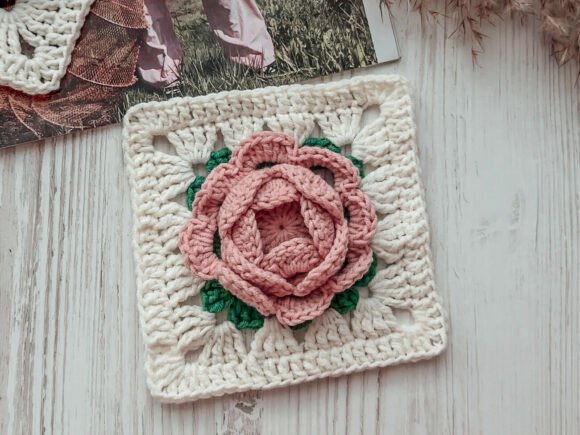
Here’s the thing: granny squares aren’t just about nostalgia. Sure, they’ve got that vintage charm that makes us think of cozy grandma’s house and homemade cookies, but they’re also having a serious moment in modern craft circles. According to Craft Industry Alliance, crochet has seen a 150% increase in popularity among millennials and Gen Z over the past five years, with granny squares leading the charge.
What’s really cool about these patterns is their modular nature. You’re basically creating individual building blocks that you can join together however you fancy. Made a mistake? No biggie—just start a new square. Got leftover yarn from different projects? Perfect! Granny squares practically beg you to use up those scraps in the most creative ways possible.
Getting Started: The Basics You Need to Know
Before you dive headfirst into granny square crochet patterns, let’s talk essentials. You don’t need to break the bank here, folks. A simple crochet hook (size G/6 or H/8 is perfect for worsted weight yarn), some medium-weight yarn in colors that make your heart sing, and a yarn needle for weaving in ends—that’s literally all you need to get rolling.
Now, here’s where beginners sometimes trip up: tension. Don’t white-knuckle that hook! Your hands should feel relaxed, like you’re holding a pencil, not trying to strangle it. The beauty of granny squares is that they’re remarkably forgiving when it comes to gauge variations. Each square is its own little universe, so if one turns out slightly different from another, who’s gonna notice once they’re all joined together?
The classic granny square starts with a magic ring (or chain-4 if magic rings intimidate you), then you work rounds of clusters separated by chain spaces. The Spruce Crafts offers an excellent step-by-step tutorial that breaks down the traditional pattern into bite-sized chunks. Trust me, after making your first few squares, the pattern becomes second nature – your hands will practically work on autopilot.
Creative Variations That’ll Blow Your Mind
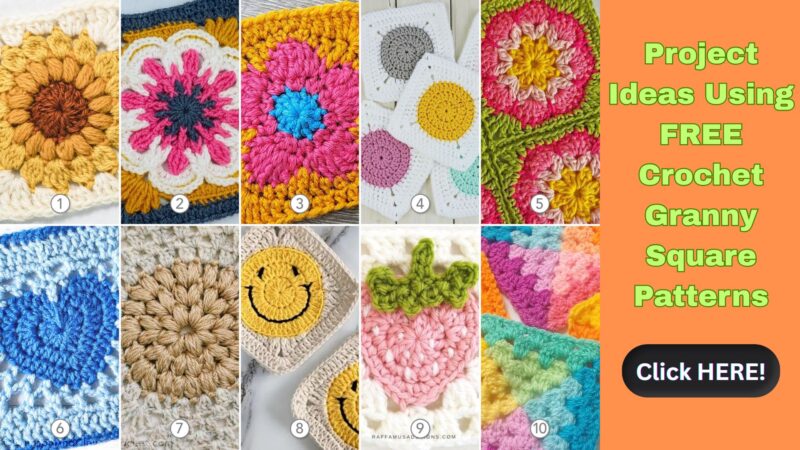
Okay, so you’ve mastered the basic granny square. What’s next? Buckle up, because the variations are absolutely endless! Solid granny squares, sunburst granny squares, African flower squares, starburst squares—the list goes on and on. Each variation offers its own unique personality and visual appeal.
One of my personal favorites? The solid granny square. Instead of chain spaces, you work regular stitches that create a denser, more substantial fabric. These bad boys are perfect for items that need a bit more structure, like bags or cushion covers. They also work up faster than traditional granny squares because you’re not fussing with multiple color changes in each round.
Speaking of color changes, this is where granny square crochet patterns really shine. You can go bold with high-contrast combinations, create subtle ombre effects, or embrace the scrappy aesthetic with random color placement. According to research from the Craft Yarn Council, strategic color placement can actually affect how people perceive the complexity of your work—even simple patterns look impressive when you nail the color game.
Here are some popular granny square variations to explore:
- Traditional granny square with chain spaces
- Solid granny square for denser fabric
- Sunburst granny square with radiating color changes
- African flower square featuring curved petals
- Circle-in-a-square design for geometric interest
- Starburst granny with pointed corners
Turning Squares Into Stunning Finished Projects
So you’ve got a pile of granny squares staring at you from your craft basket. Now what? This is where things get really exciting! The joining process transforms individual squares into cohesive, gorgeous projects. You’ve got several options here: slip stitch join, single crochet join, whip stitch, or the trendy join-as-you-go method.
The join-as-you-go technique is a game-changer, honestly. Instead of making all your squares separately and then facing the daunting task of joining dozens (or hundreds!) of them, you connect each square to its neighbors as you complete the final round. It’s like multitasking at its finest—you’re finishing and assembling simultaneously. Mind. Blown.
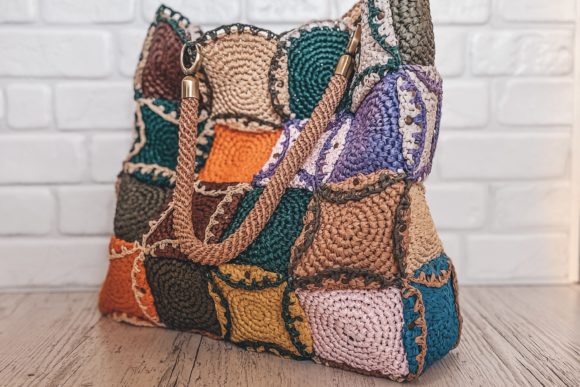
Once your squares are joined, the project possibilities are virtually limitless. Classic blankets and afghans are obvious choices, but don’t stop there! Granny squares make fabulous pillow covers, market bags, cardigan sweaters, table runners, and even wall hangings. I’ve seen people create stunning granny square jackets, vests, and even curtains. The Lion Brand Yarn website features hundreds of free patterns that showcase creative ways to use granny squares beyond traditional afghans.
Pro Tips for Pattern Perfection
Let me share some insider secrets that’ll take your granny square game from “pretty good” to “absolutely phenomenal.” First up: blocking. Yeah, I know—it sounds tedious and maybe even unnecessary. But hear me out! Blocking your completed squares before joining them ensures everything’s the same size and shape. It’s like magic—wonky squares become uniform, edges straighten out, and stitches open up beautifully.
Another pro tip? Keep a crochet journal. Seriously! Document which hook size you used, what yarn brand and colorway, and any modifications you made to the pattern. Future you will thank present you when you want to recreate that perfect square you made six months ago but can’t remember exactly how you did it.
Essential tips for better granny squares:
- Start each new color with a standing stitch instead of slip stitch + chain
- Weave in ends as you go rather than saving them all for the end
- Use stitch markers to track your rounds (especially helpful for beginners)
- Block your squares before joining for professional-looking results
- Keep consistent tension throughout each square for uniform appearance
Don’t be afraid to experiment with different yarn weights, either. While worsted weight is the standard, fingering weight creates delicate, lacy squares perfect for shawls, while bulky yarn works up lightning-fast for cozy blankets. Just remember: different weights will produce different-sized squares, even with the same number of rounds.
Common Pitfalls and How to Avoid Them
Real talk: everyone makes mistakes when learning granny square crochet patterns. I’ve been there, done that, got the frogged yarn to prove it! One super common issue? Losing or gaining stitches somewhere along the way, which creates squares that aren’t actually square. The fix is simple: count your stitches regularly. Each corner should have the same number of clusters, and each side should match.
Another rookie mistake is pulling your starting chain too tight. This creates a puckered center that no amount of blocking can truly fix. Keep that initial chain loose and relaxed—it needs to accommodate the stitches you’ll be working into it later. If you’re struggling with this, the magic ring technique offers better control over center tension.
Color changes can be tricky, too. Nothing’s more frustrating than carrying yarn across your work only to have those floats show through the chain spaces. Instead, cut your yarn after each color change and weave in those ends properly. Yes, it’s more work, but the finished result looks infinitely more polished and professional.
Granny Squares in Modern Design Trends
Here’s something you might not realize: granny square crochet patterns are having a serious fashion moment right now. High-end designers have embraced this humble motif, featuring it on runways from Paris to New York. Sustainability-conscious consumers love that granny squares allow them to use up yarn scraps and create unique, one-of-a-kind pieces that buck fast fashion trends.
The cottagecore aesthetic that’s taken social media by storm? Granny squares fit right in with their cozy, handmade vibe. But they’re also showing up in unexpected places—modern minimalist interiors, bohemian fashion, even streetwear. The key is in how you style and present them. Monochromatic granny square projects look sleek and contemporary, while rainbow explosions of color embrace maximalist joy.
Social media platforms, particularly Instagram and TikTok, have created vibrant communities around crochet. Hashtags like #GrannySquareLove and #ModernGrannySquare showcase thousands of creative interpretations. Ravelry, the social networking site for fiber artists, hosts over 50,000 granny square patterns, with new designs added daily. This active community means you’re never alone in your crochet journey—there’s always someone to answer questions, offer encouragement, or share inspiration.
Wrapping Things Up: Your Granny Square Adventure Awaits
Listen, I could go on for days about granny square crochet patterns—they’re truly that versatile and beloved. Whether you’re looking to create heirloom blankets for future generations, whip up quick gifts for friends, or simply lose yourself in the meditative rhythm of repetitive stitches, granny squares have got you covered.
The beauty of these timeless motifs lies in their accessibility. You don’t need years of experience or fancy equipment to create something genuinely beautiful. Start with one square. Then make another. Before you know it, you’ll have enough for your first project, and you’ll understand why generations of crocheters have fallen head over heels for these charming little squares.
So grab that hook, pick some yarn that makes you happy, and dive in! The wonderful world of granny squares is waiting, and trust me—once you start, you won’t want to stop. Happy hooking, my friends!
Frequently Asked Questions
How many granny squares do I need for a blanket?
Well, that depends on your square size and desired blanket dimensions! For a standard throw blanket (approximately 50″ x 60″) using 6-inch squares, you’ll need around 80-100 squares. Baby blankets require about 35-48 squares of the same size. Pro tip: always make a few extra squares—they’re handy for repairs or extensions later!
Can beginners successfully make granny square crochet patterns?
Absolutely! Granny squares are actually one of the best projects for beginners. The pattern is repetitive, which helps you develop muscle memory, and you’re working in rounds rather than rows, which many people find easier. Plus, each square is a small, manageable project—perfect for building confidence.
What’s the best yarn for granny squares?
Medium-weight (worsted) acrylic or acrylic-blend yarn is perfect for beginners—it’s affordable, widely available, and easy to work with. Once you’re comfortable, experiment with cotton for dishcloths, wool for warmth, or luxury fibers for special projects. The world’s your oyster!
How do I fix a wonky granny square?
If your square isn’t square, first count your stitches to ensure consistency. Then try blocking it—wet or steam blocking can work wonders! If it’s still funky, don’t stress—embrace the handmade charm or use it as a learning experience for your next square.
Where can I find free granny square patterns?
The internet is bursting with free patterns! Check out Ravelry, Lion Brand Yarn, Red Heart, and various crochet blogs. YouTube is also fantastic for video tutorials that walk you through patterns step-by-step.